⭐ Kyoto city and Kyoto Prefecture are not the same thing
This matters more here than almost anywhere. Kyoto Prefecture runs from the tea fields south of the city all the way to the Sea of Japan, and a great deal of what is sold as ‘Kyoto’ is somewhere else in it.
The places below are worth going to. None of them is in the city, and this guide does not pretend they are.
Uji
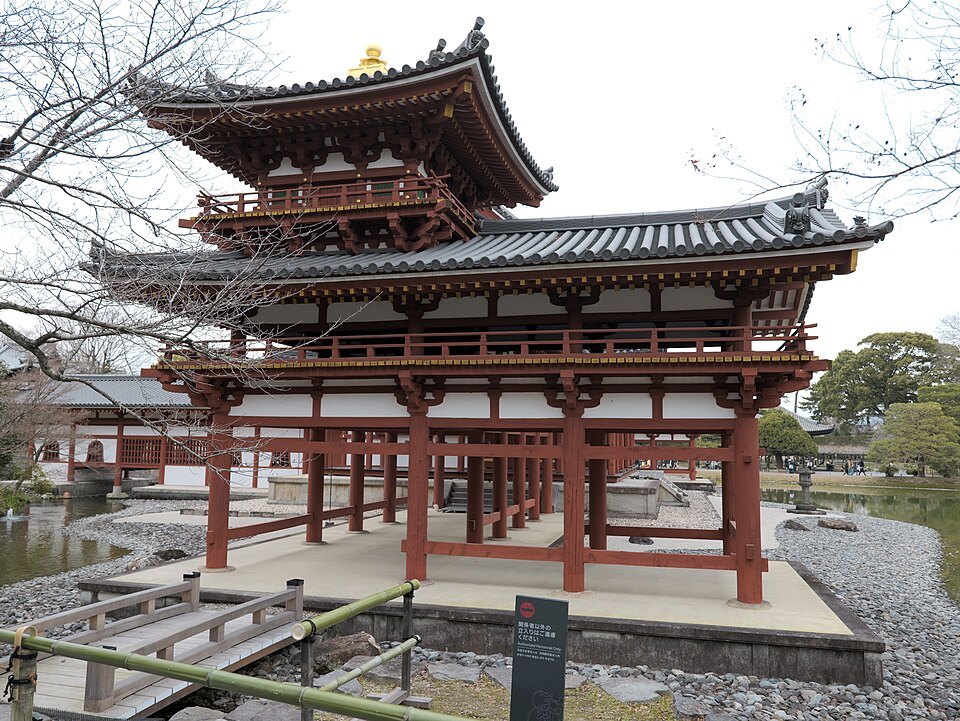
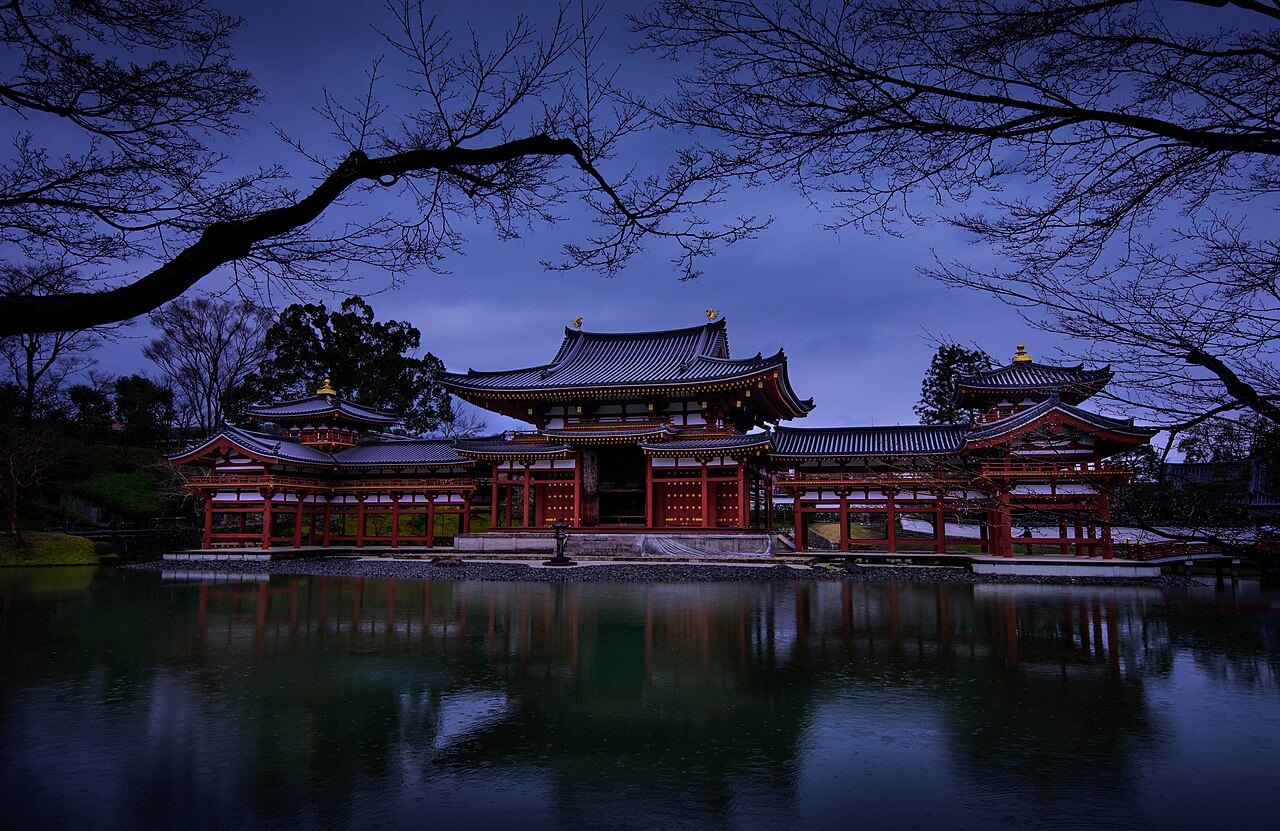
South of the city, half an hour by train. Byōdō-in — the Phoenix Hall on the ten-yen coin — is here, and so is the tea. Uji has grown matcha since the twelfth century and it is the reason ‘Kyoto green tea’ means anything.
⭐ The best version of this trip is the tea rather than the temple: shops along the river that will grind and serve their own, and a walk on both banks.
Nara
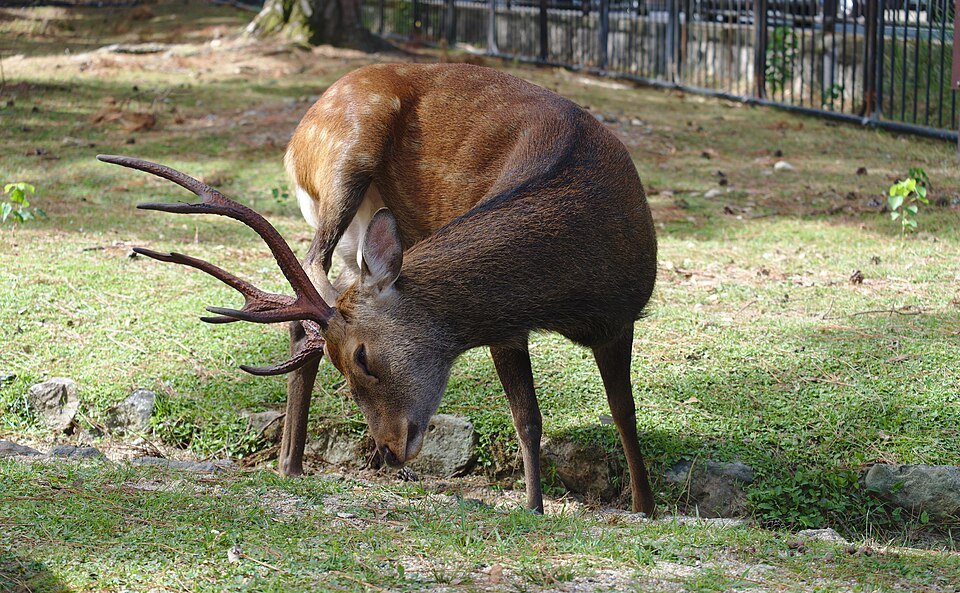
Further, and a different prefecture, but the easiest big day out. Japan's capital before Kyoto was, with the Great Buddha in an enormous timber hall and a deer park wrapped around the whole thing.
⭐ Nara is older than Kyoto and much smaller, and doing it in that order — Nara first, if you can — makes the sequence of Japanese history legible.
Ōhara
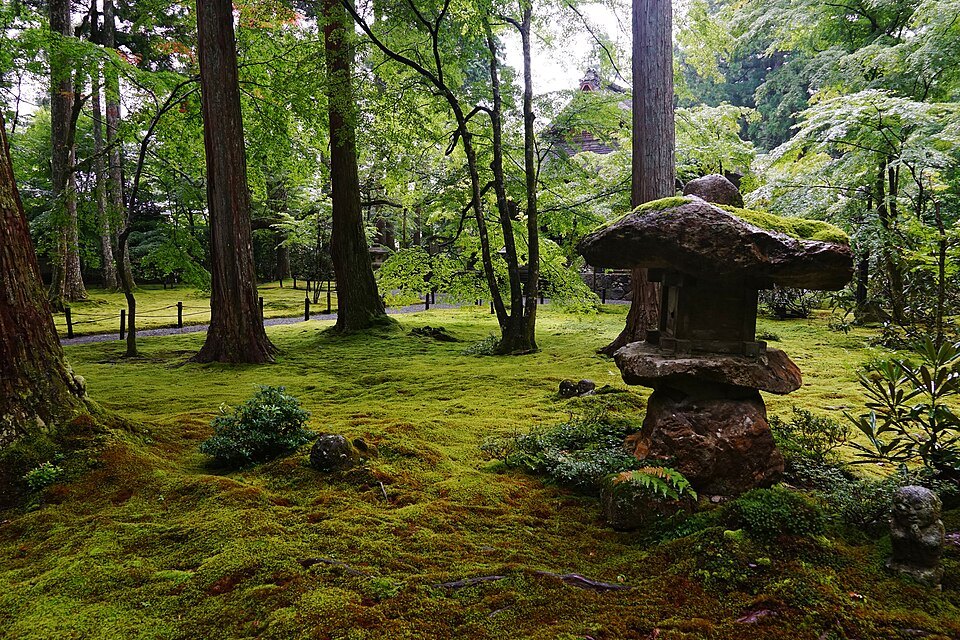
North, up into the hills by bus, and still inside the city boundary despite feeling nothing like it. A valley of small temples and vegetable plots, with Sanzen-in and its moss garden at the centre.
⭐ This is the antidote to the eastern hills. Same country, quarter of the people.
Kurama and Kibune
Two villages on either side of a wooded ridge in the far north of the city, joined by a walking path over the top that takes a couple of hours.
⚠️ It is a proper hill walk on tree roots and steps, not a stroll. Do it in that direction — up from Kurama, down to Kibune — and the descent is the easy half.
Osaka, if you have an evening
Half an hour away and the complete opposite of this city: loud, modern, and built around eating. If you are pairing the two, the Osaka guide covers that side of it.