⭐ Why the food is like this
Kyoto is inland, ringed by mountains, and was the imperial capital for over a thousand years. Those two facts made the cuisine: no fresh sea fish worth speaking of, so the city built its cooking on vegetables, tofu, and preservation — and, being the capital, made it refined rather than plain.
The soft water of the basin is the other half of it. It is why Kyoto tofu, Kyoto tea and Kyoto sake are distinct things rather than marketing.
The city's own
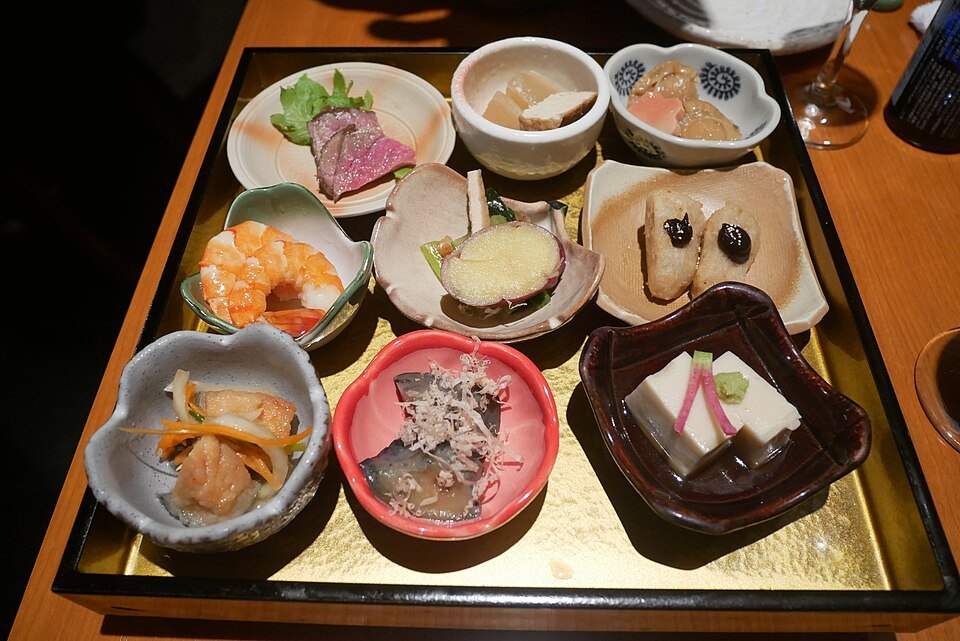
Obanzai — Kyoto home cooking: several small vegetable dishes, seasonal, unshowy, served together. This is the everyday food and the most enjoyable thing to seek out.
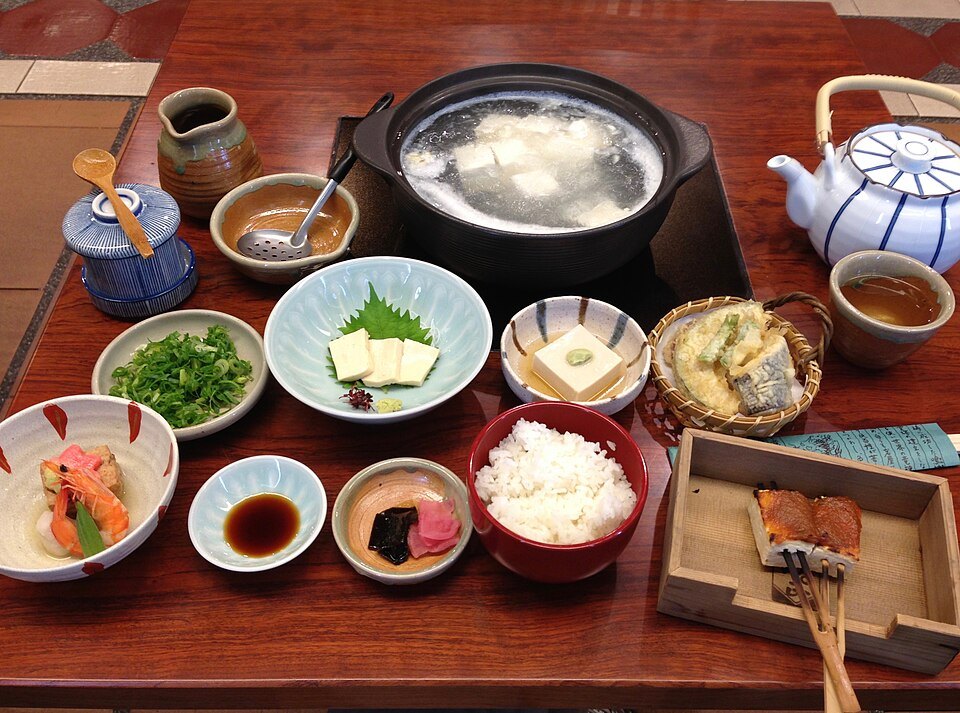
Yudōfu — tofu simmered in a pot of hot water at the table and eaten with little more than soy and spring onion. It sounds like nothing and depends entirely on the tofu, which is the point. Long associated with the temple district around Nanzen-ji.
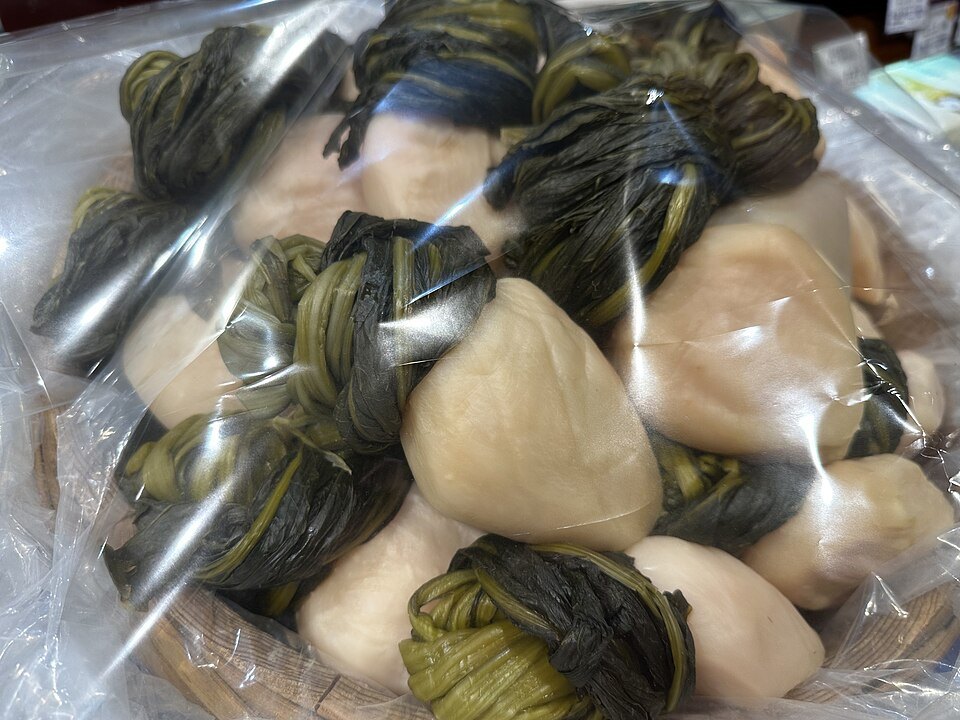
Kyō-tsukemono — the pickles: senmaizuke (turnip in kombu), shibazuke (aubergine, purple, sharp) and suguki (fermented and sour). Sold by the tub in Nishiki Market.
Kyō-yasai — heirloom Kyoto vegetables grown nowhere else in quite the same form: kamo aubergine, kujō spring onion, shōgoin radish.
Kaiseki, and its opposite
Kaiseki — the formal sequence of small seasonal courses — was developed here alongside the tea ceremony, and Kyoto is where it is taken most seriously.
⭐ Its ancestor is shōjin ryōri, the Buddhist temple cooking: entirely vegetarian, no onion or garlic, and served at a number of temples. If you want to understand the cuisine rather than just eat well, that is the meal to have.
Tea, and sweets
⚠️ The famous green tea is Uji tea, and Uji is a town south of the city, not part of it — see day trips. It is drunk everywhere here and grown there, and this page will not pretend otherwise.
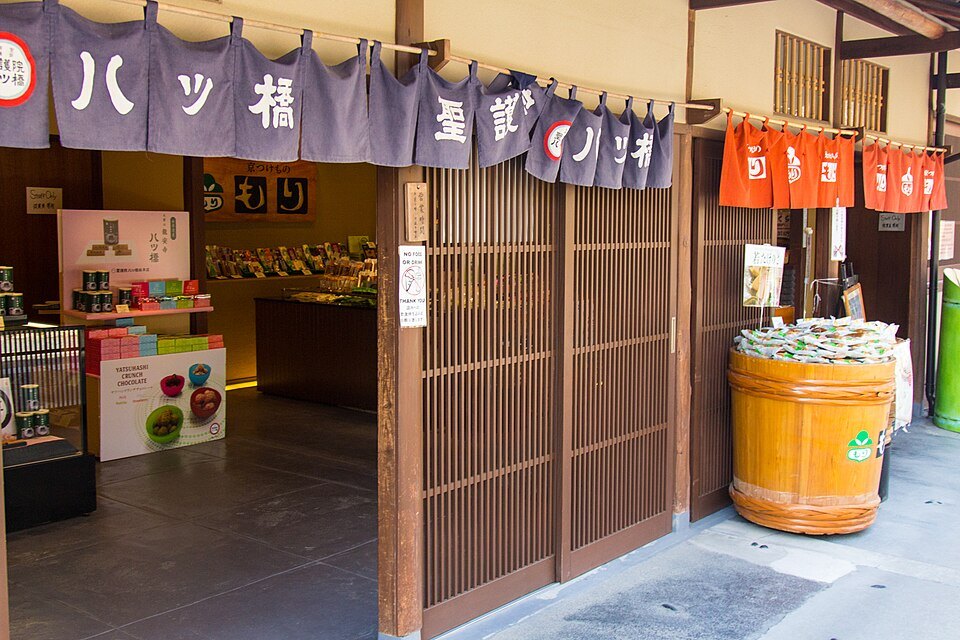
Kyōgashi, the city's confectionery, exists to be eaten with it: small, seasonal, and often shaped as whatever is flowering. Yatsuhashi — thin cinnamon rice-flour sheets, folded raw around bean paste — is the souvenir everybody leaves with.
⚠️ This site does not recommend individual restaurants. A guide written at a desk cannot tell you which kitchen is good this season, and in this city many of the best rooms take no first-time bookings at all.