How this list works
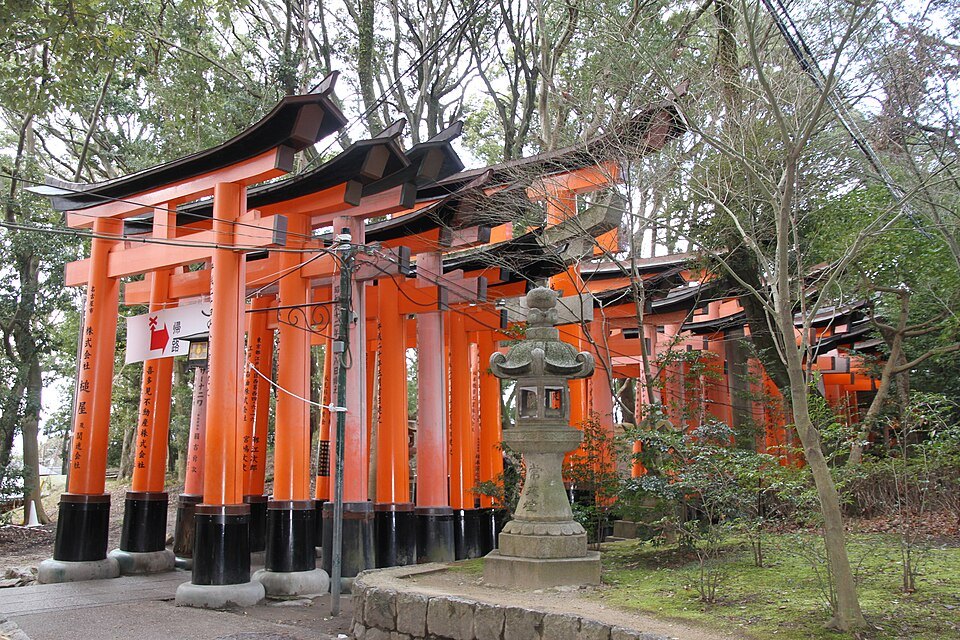
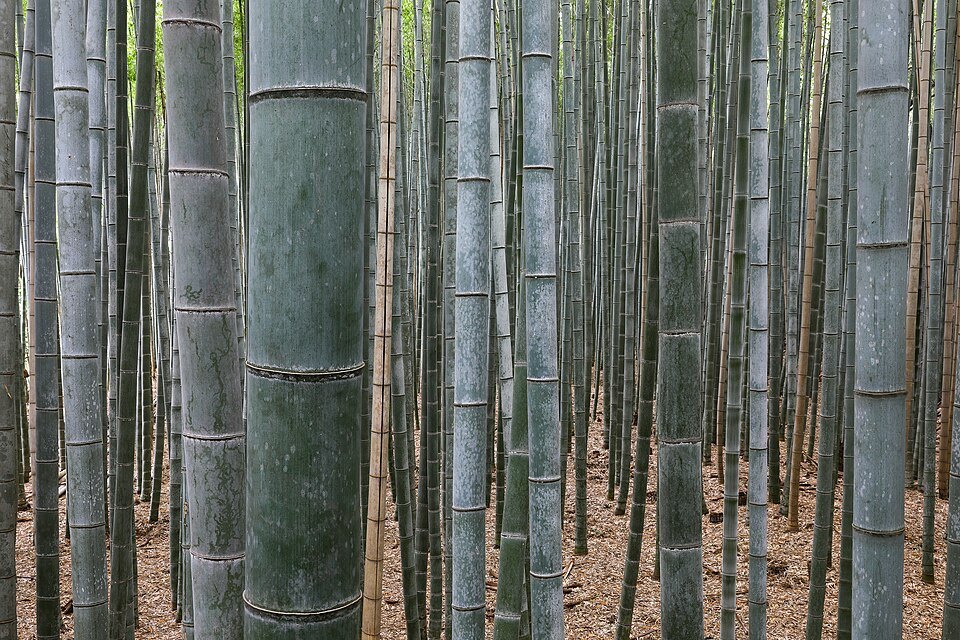
Sixteen sights, each with its own page: what it is, why it is there, and what to expect when you arrive. No prices and no opening times — those change, and the operator is the only source that is right on the day.
⭐ If you have one day, the honest answer is the eastern hills on foot: Kiyomizu-dera at first light, down through the lanes to Gion, and Pontochō after dark. Everything else is a bonus.
Sixteen, not sixteen hundred
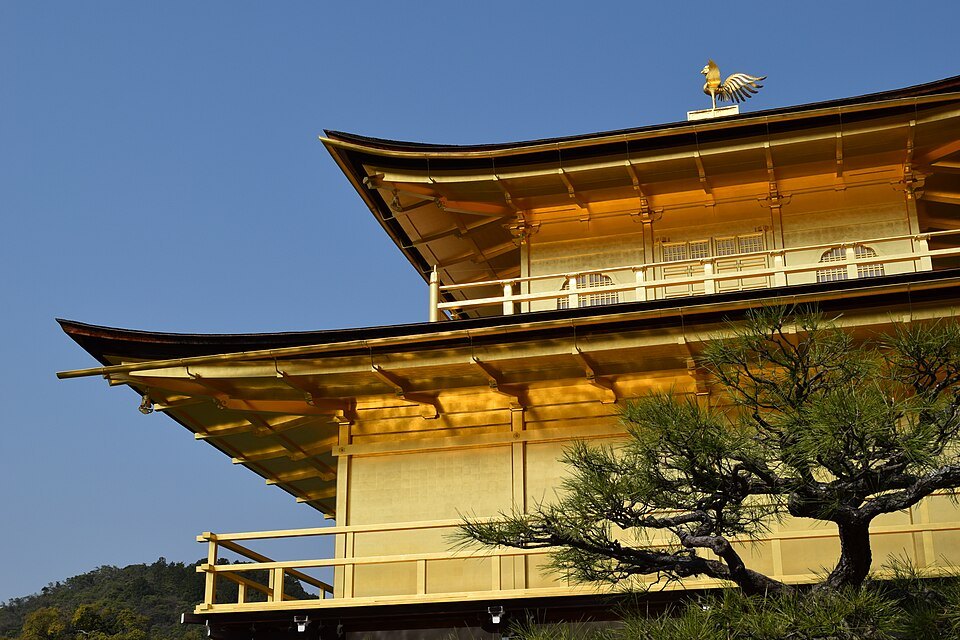
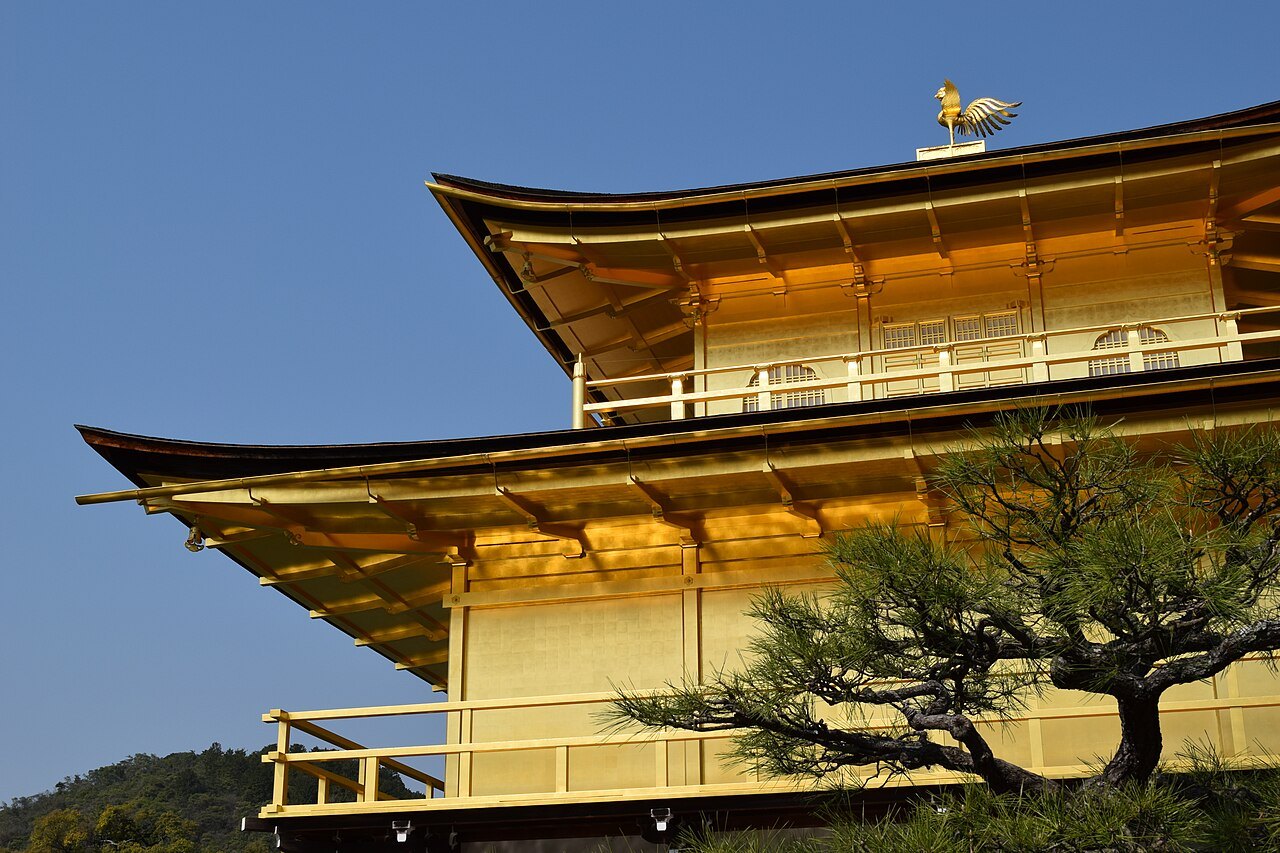
Kyoto has something like two thousand temples and shrines. A list that tried to be complete would be useless, so this one is short and each entry earns its place by being different from the others — a gold pavilion, a rock garden, a market street, a walk.
⚠️ Some famous names are missing on purpose. Byōdō-in — the temple on the ten-yen coin — is in Uji, which is Kyoto Prefecture and not Kyoto. It is on the day trips page, where it belongs.
The pattern to notice
⭐ Almost nothing in Kyoto is as old as it looks. The city has burned, repeatedly and comprehensively — civil war, fire, more fire — and most of the great buildings are rebuilds: Kinkaku-ji is from 1955, Heian-jingū from 1895, Tō-ji's pagoda from 1644.
What genuinely survives tends to be the gardens and the ground plans, which is why Tenryū-ji's garden matters more than its halls.