⭐ The one rule that makes Kyoto work
Be out at first light. Not early — first light. The difference between Kiyomizu-dera's approach at dawn and the same lane at eleven is the difference between two entirely different cities, and it is free.
Every itinerary below is built on that: famous things at the start of the day, gardens and museums in the middle, the river and the alleys after dark.
⚠️ And before you build a day around a particular hall, check it is open this month — many of the best interiors open only for a few weeks a year. See booking ahead.
One day
The eastern hills, on foot, north to south or south to north. Kiyomizu-dera at dawn and the lanes below it while they are empty; Sanjūsangen-dō when it opens; Gion in the late afternoon and Pontochō after dark.
Two days
Day two goes west to Arashiyama, first thing: the bamboo grove before the crowds, then Tenryū-ji's garden and the river at Arashiyama. Back in the afternoon for Nijō Castle.
Three days
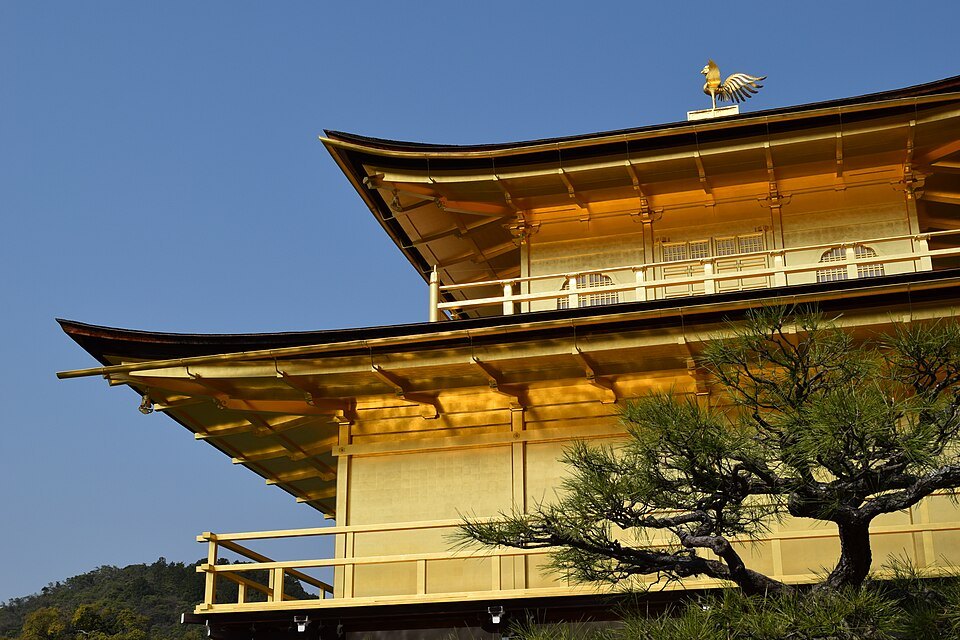
Add the north-west: Kinkaku-ji at opening and Ryōan-ji immediately after — they are close together and both are ruined by a crowd, so they belong in the same early morning.
Afternoon at Tō-ji, and Nishiki Market on the way back.
Five days
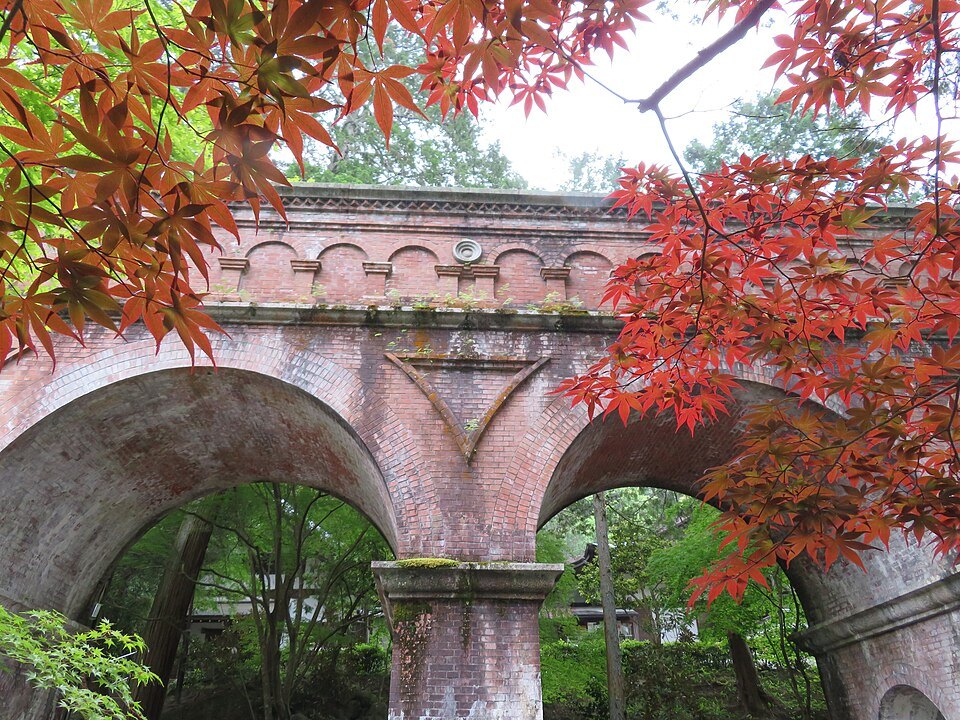
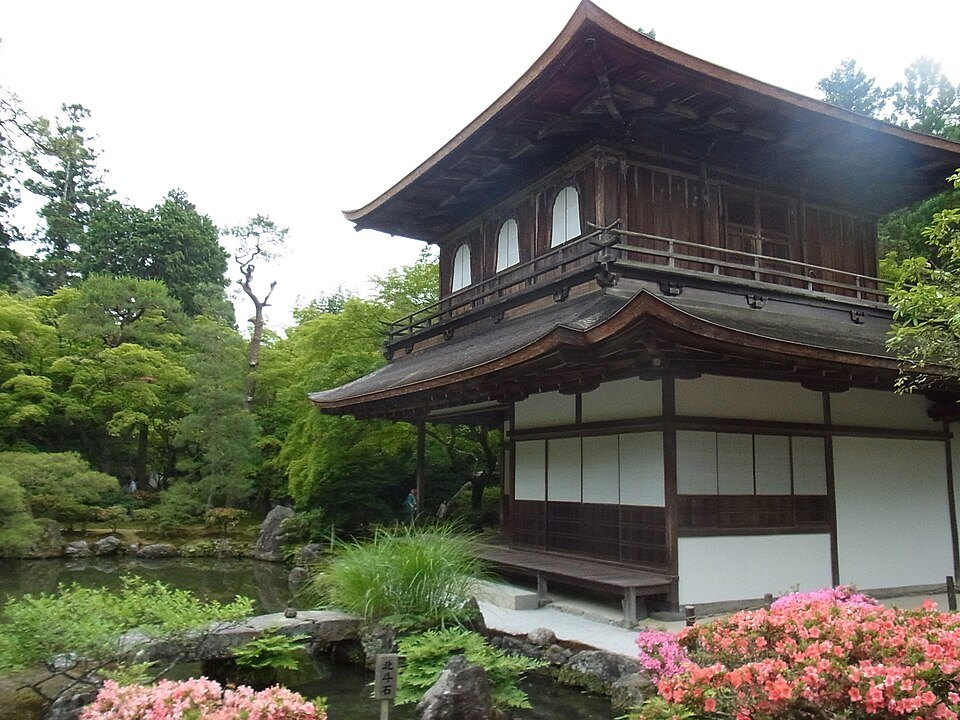
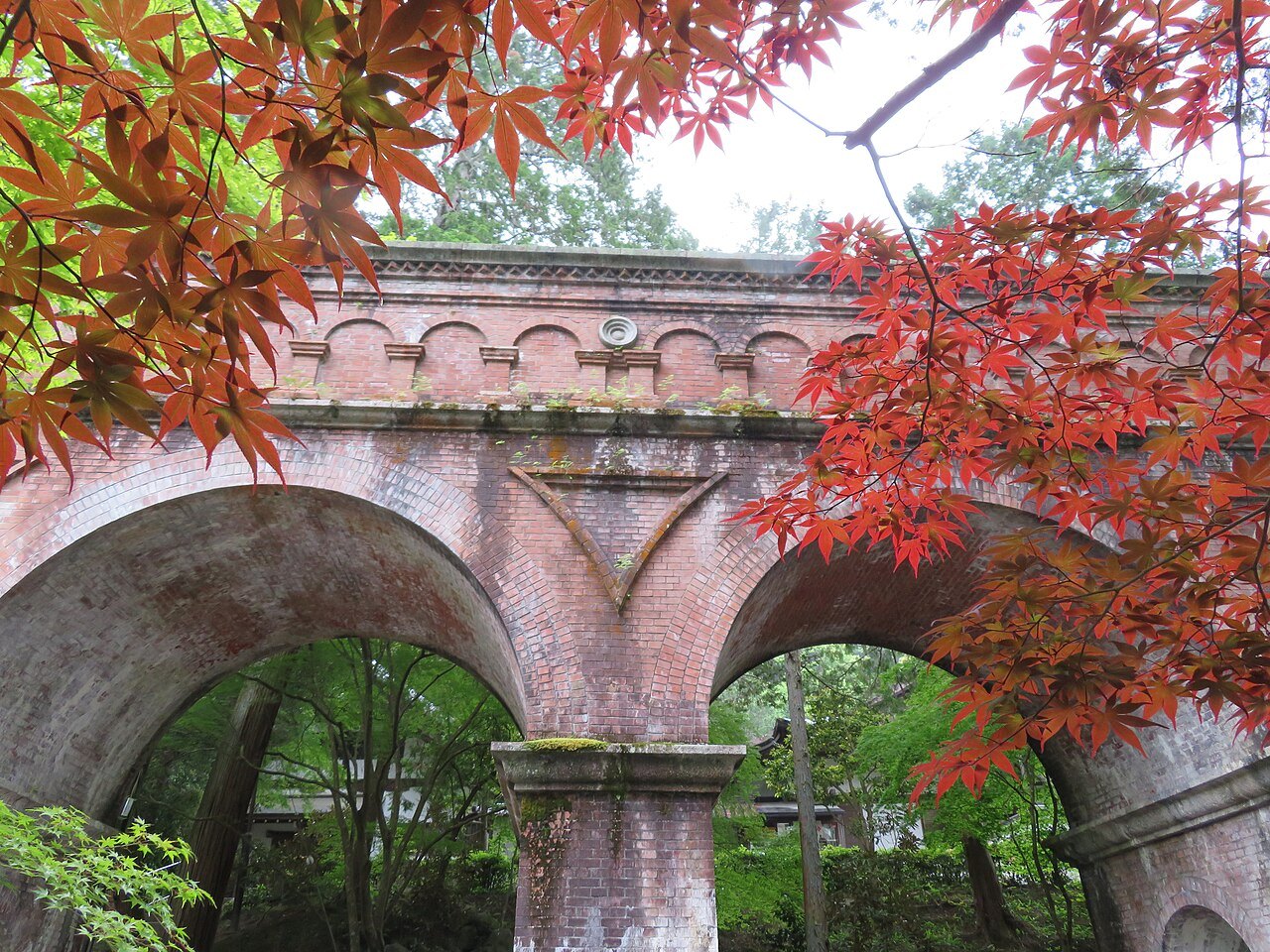
Now you can walk rather than commute. Ginkaku-ji down the Philosopher's Path to Nanzen-ji and the aqueduct is most of a day and one of the best in the city.
Add Fushimi Inari — the whole mountain, not the first two hundred metres — and Heian-jingū's garden.
A week
A week is enough to leave the city and come back. Take a day for Uji or Nara, a day for Ōhara or the Kurama ridge, and keep one entirely empty.
⭐ The empty day is the recommendation. Kyoto rewards going back to one place twice far more than it rewards adding a fifteenth temple.