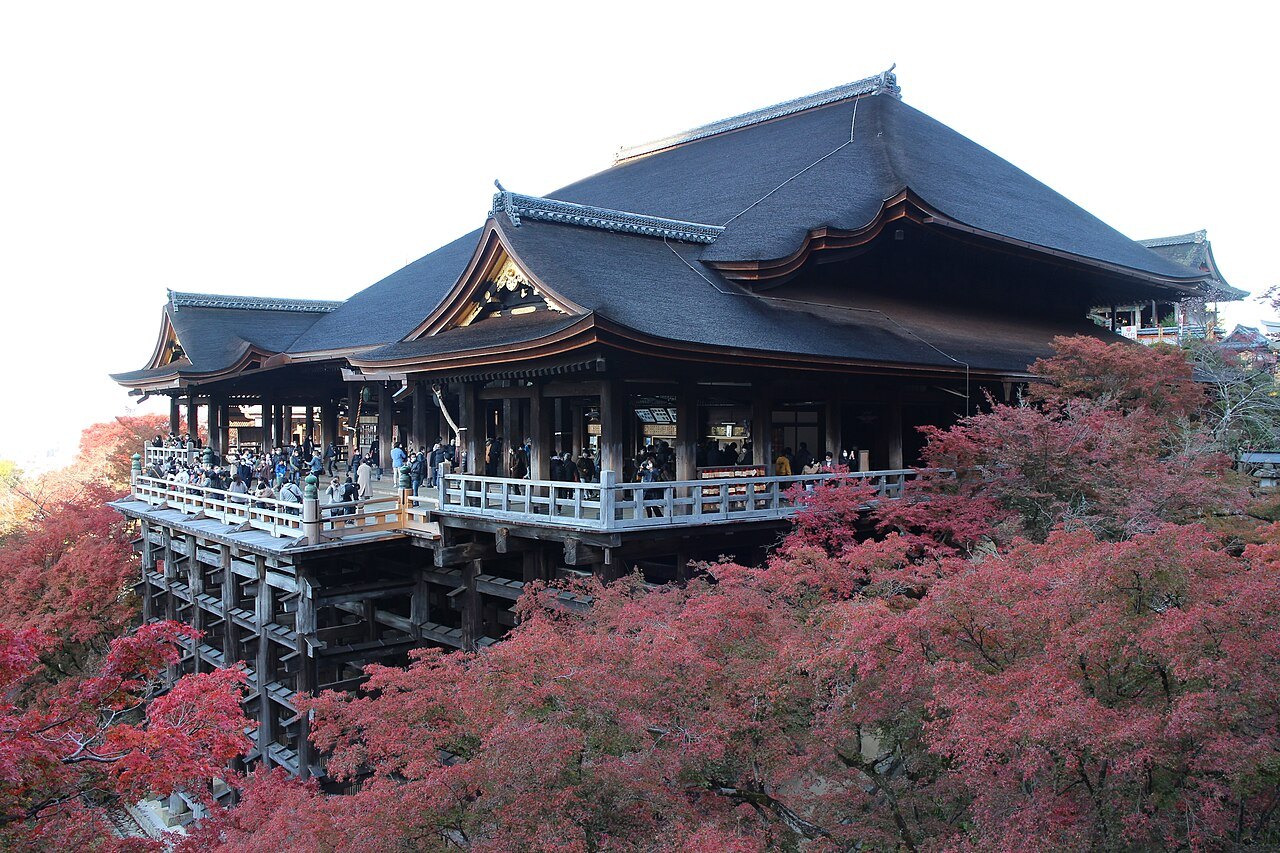
What Kyoto is
A thousand-year capital laid out on a grid, with two thousand temples in it, a river down the middle and wooded hills on three sides — about 1.4 million people, in the Kansai region of Honshū. Which part of it to stay in is its own question, and the neighbourhoods each suit a different trip.
Heian-kyō was founded in 794 and the court stayed until 1869, when it left for Tokyo. The Ōnin War burned most of the city after 1467; the grid outlived it. Nijō Castle went up in 1603 as the shōgun's Kyoto seat, and it was there, in 1867, that the shōgun handed power back. Heian-jingū was raised in 1895 for the city's 1100th year.
Known for its temples and shrines, its gardens, the wooden townhouses and their lattices, and a cuisine of vegetables, tofu and pickles — and for two weeks a year.
Sixteen sights have a page each. Uji, Amanohashidate and Maizuru are Kyoto Prefecture, not the city — they are day trips. The itineraries are built around what is shut, and only a handful of places need arranging ahead.
Schematic, not to scale. Dashed lines are the two subway lines.
There is no Kyoto airport.
Kansai and Itami both serve Osaka. From Kansai the Haruka runs straight to Kyoto Station; from Itami, the airport bus.
Getting hereThe streetsThe street names are coordinates.
Shijō is fourth avenue, Sanjō is third. Two subway lines and a large, overloaded bus network.
Getting aroundThe calendarThe two most beautiful weeks are the two most crowded.
Cherry blossom in early April, autumn colour in late November.
When to comeEleven sections, and what each one answers
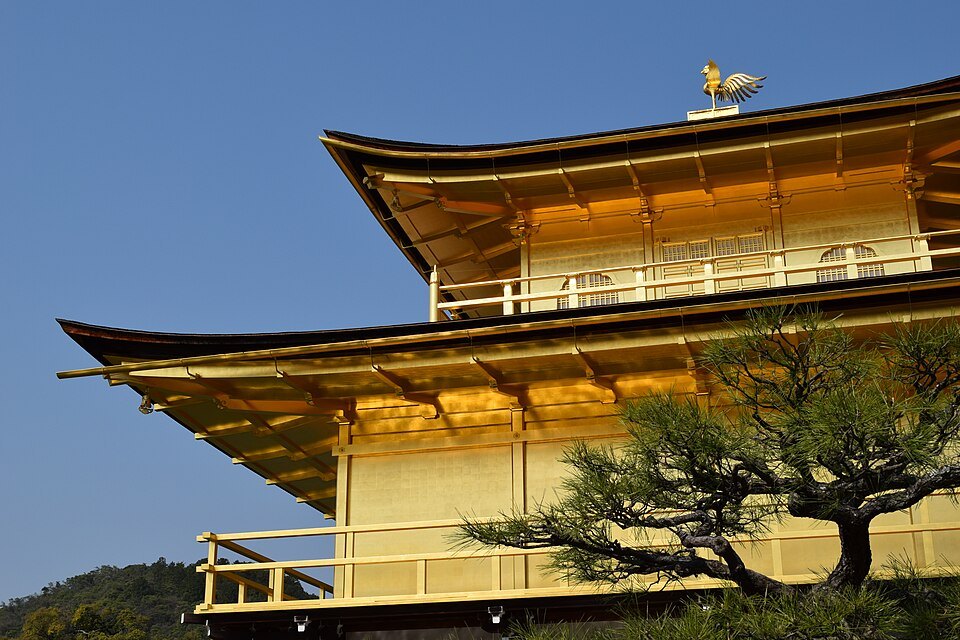 SIXTEEN PLACES, ONE PAGE EACHThe SightsEverything in the city worth a page of its own, and what each one is actually like.
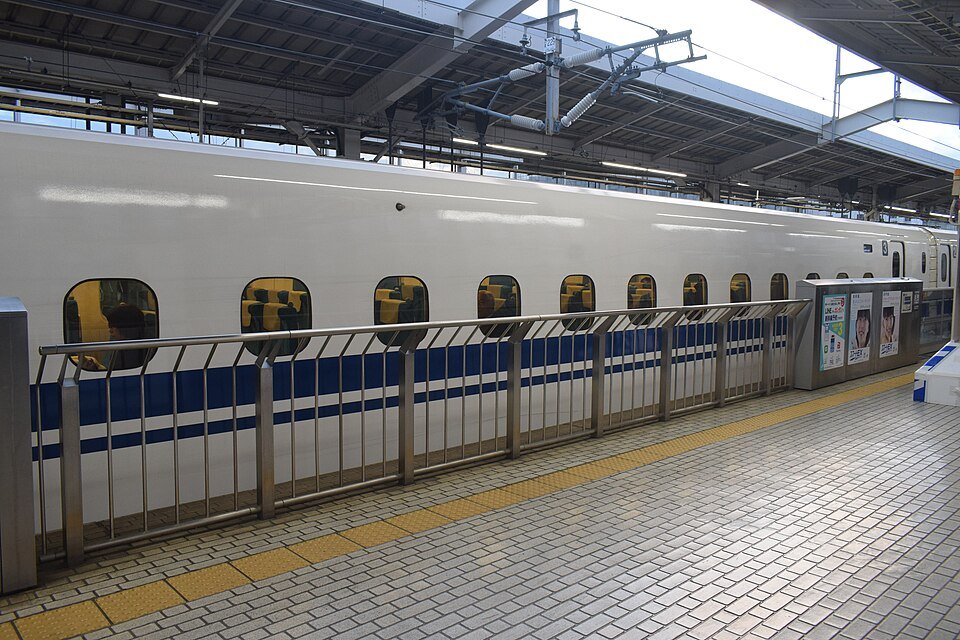 THE AIRPORTS ARE IN OSAKAGetting HereKyoto has no airport of its own. Most visitors arrive through Kansai or Itami, or on the Shinkansen — and every one of those routes ends somewhere different in the city.
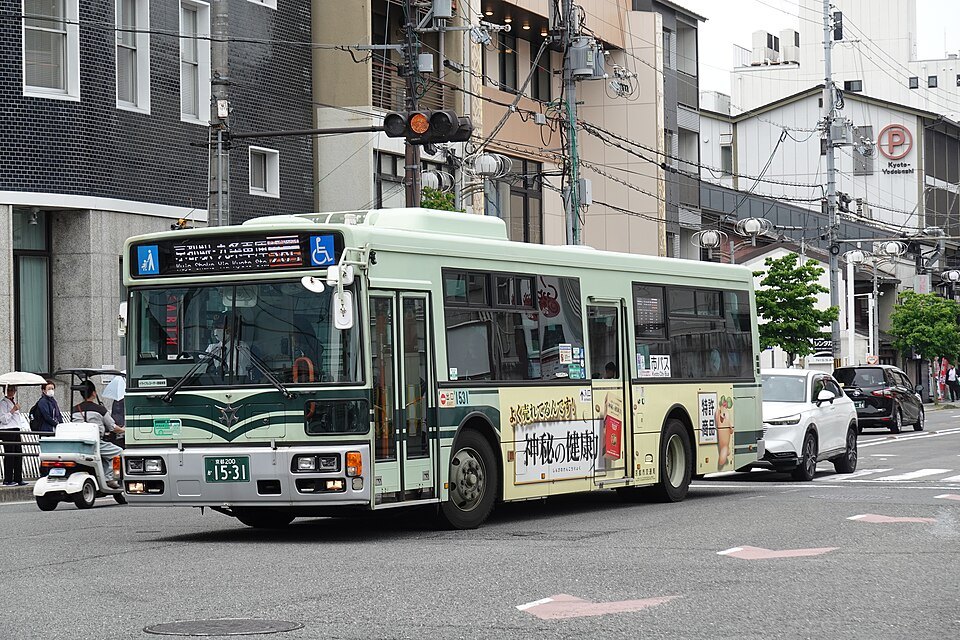 THE STREET NAMES ARE COORDINATESGetting AroundA grid you can navigate by arithmetic, two subway lines, and a bus network under strain.
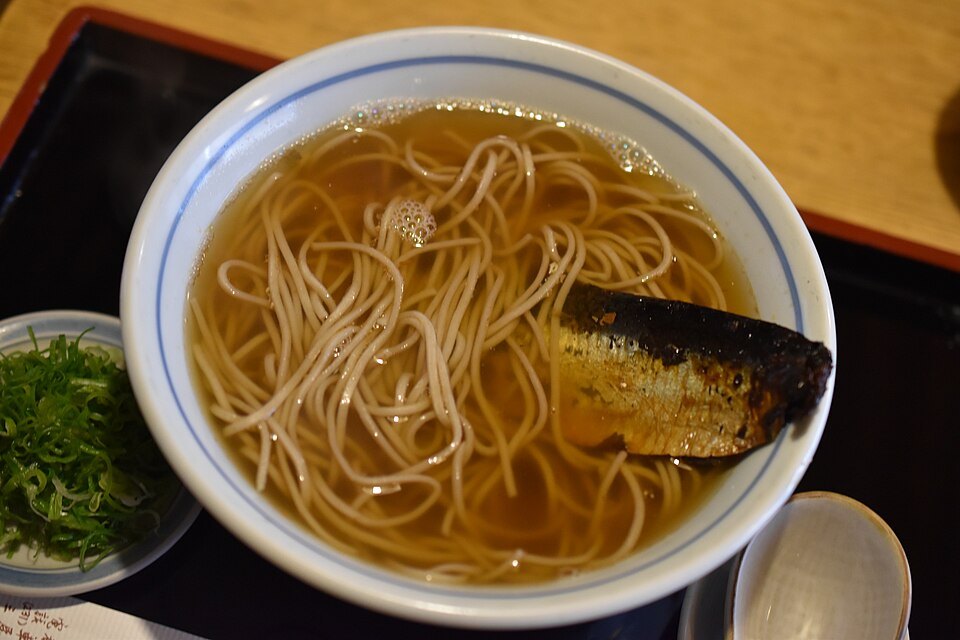 VEGETABLES, TOFU AND PICKLES — A CUISINE WITH NO COASTEating and DrinkingWhat a landlocked capital ate for a thousand years, and what is genuinely the city's own.
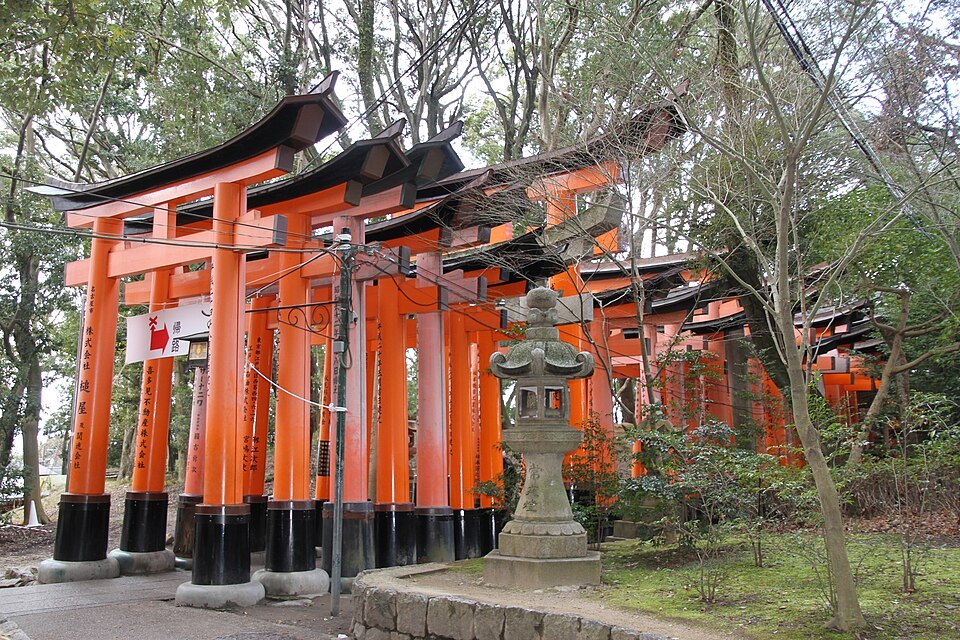 TWO DIFFERENT RELIGIONS, AND YOU CAN TELL AT THE GATETemples and ShrinesHow to know which one you are walking into, and what you are expected to do once you are.
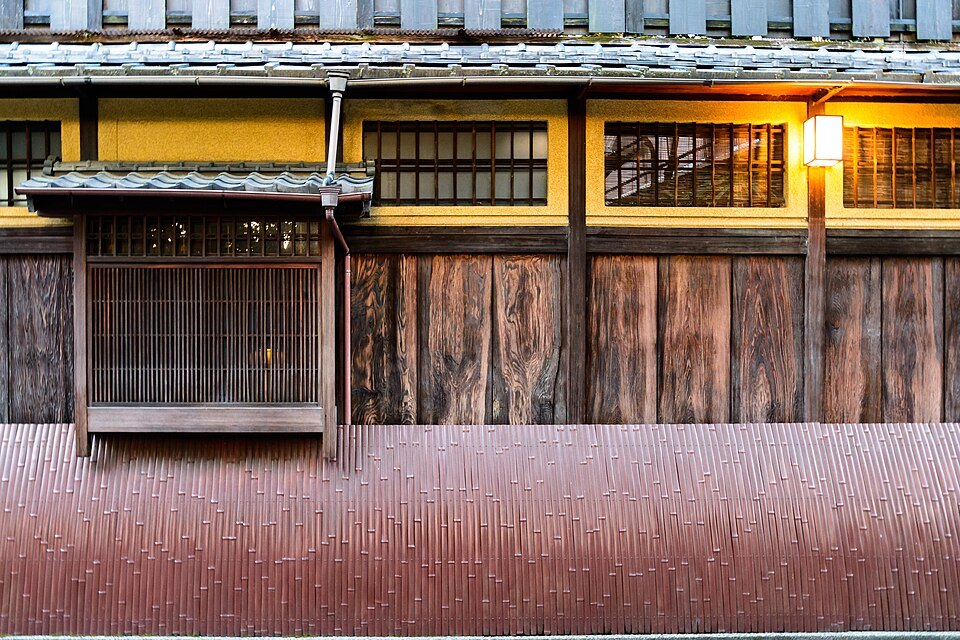 AN EEL'S BED: NARROW AT THE STREET, VERY DEEP BEHINDMachiya and the LatticeThe wooden townhouse that gives Kyoto its street frontage, and how to read one from outside.
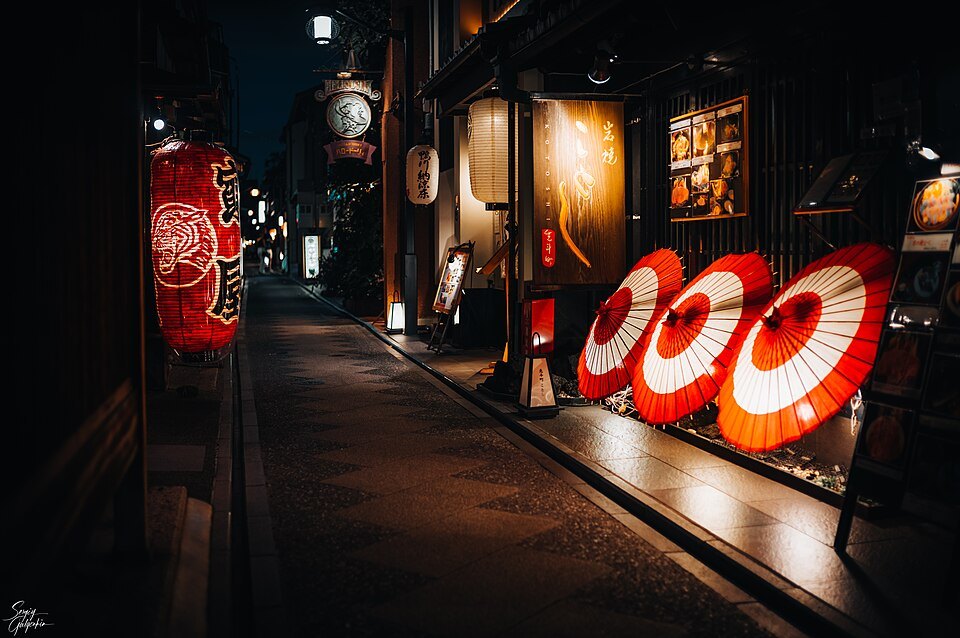 WHERE TO STAY, AND WHAT EACH PART IS LIKENeighbourhoodsFive parts of the city, and who each of them suits.
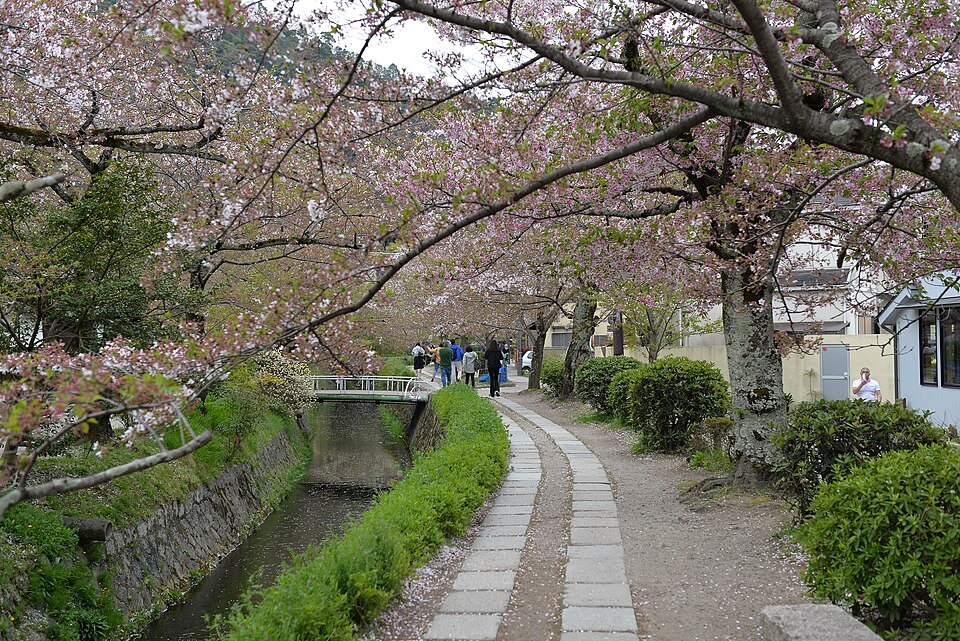 THE TWO MOST BEAUTIFUL WEEKS ARE THE TWO WORST WEEKSWhen to ComeFour hard seasons, two famous ones, and an argument for coming between them.
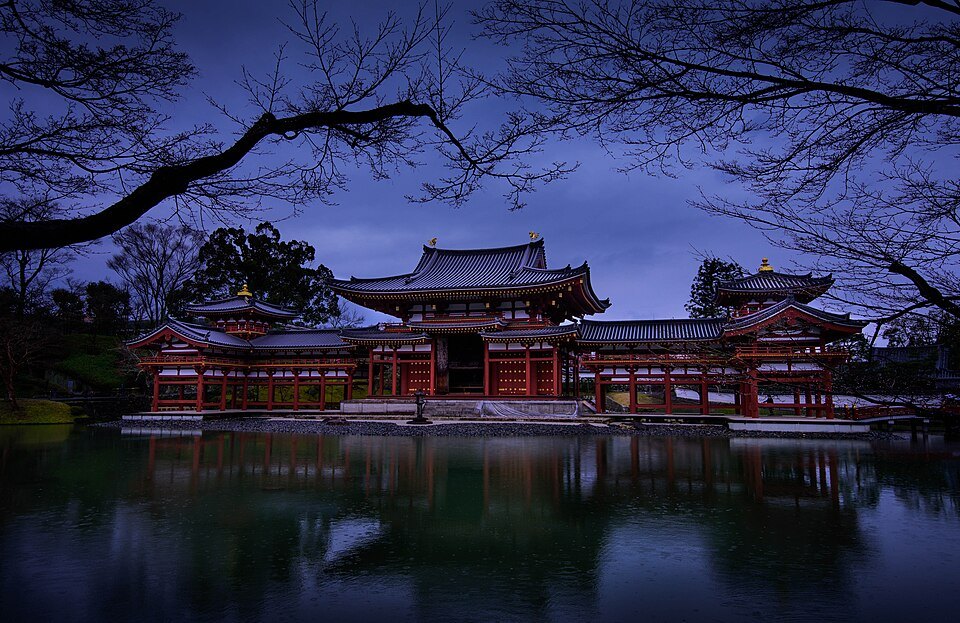 THE PREFECTURE, AND THE NEXT ONE ALONGDay TripsFour places within an easy ride, and a note on which of them are not Kyoto at all.
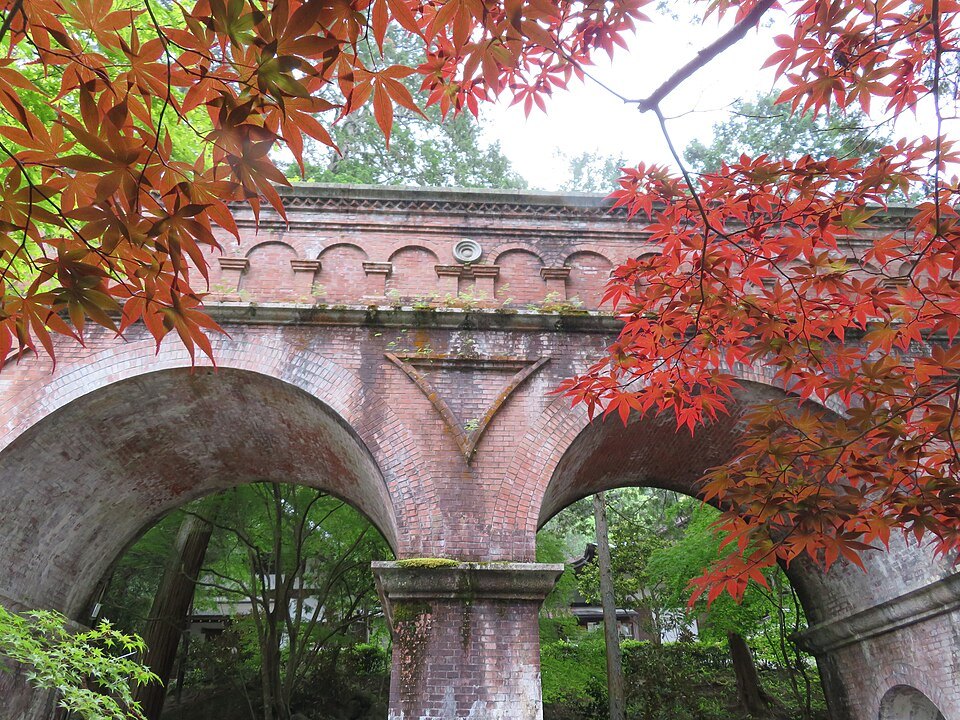 BUILT AROUND WHAT IS SHUT, AND AROUND THE HOURItinerariesFive lengths of stay, arranged so the famous places get the empty hours.
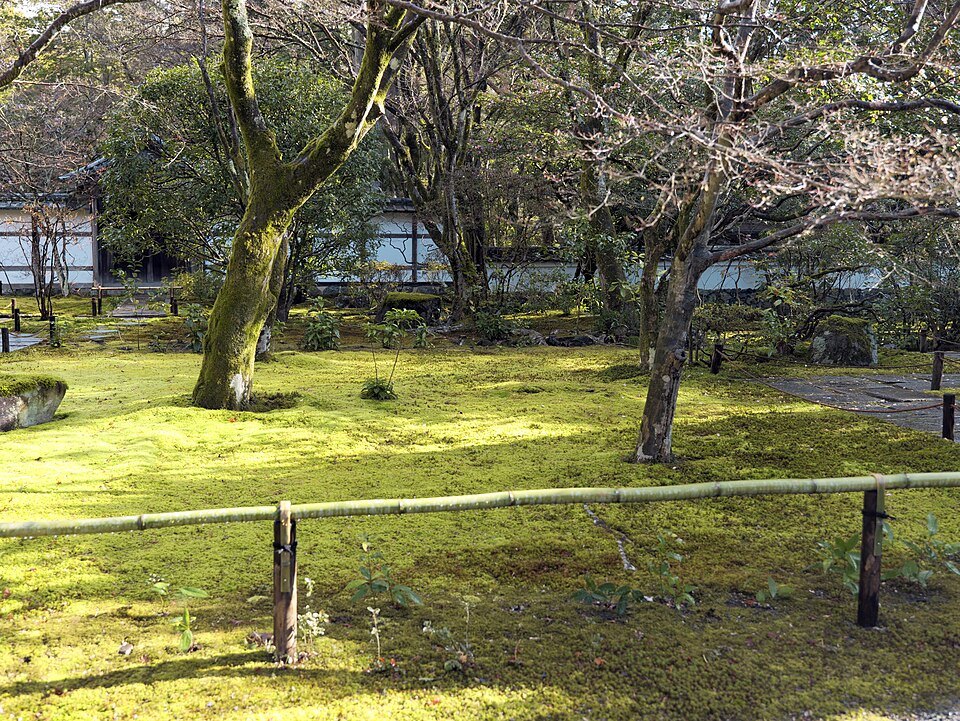 THE FEW THINGS THAT GENUINELY NEED ITBooking AheadMost of Kyoto you walk into. These are the exceptions, and one of them needs weeks.
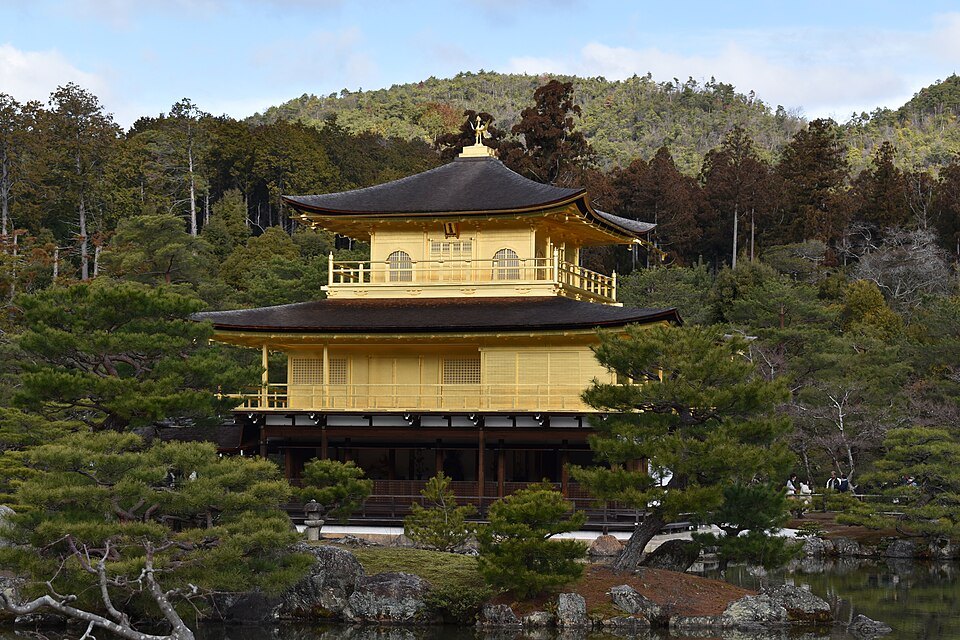 Kinkaku-ji
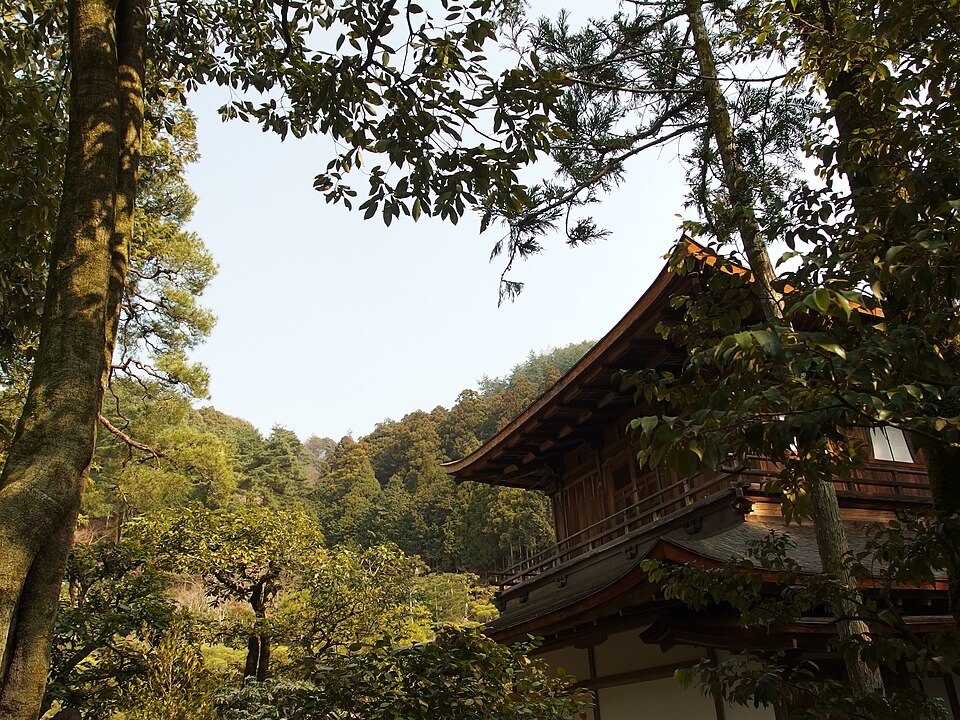 Ginkaku-ji
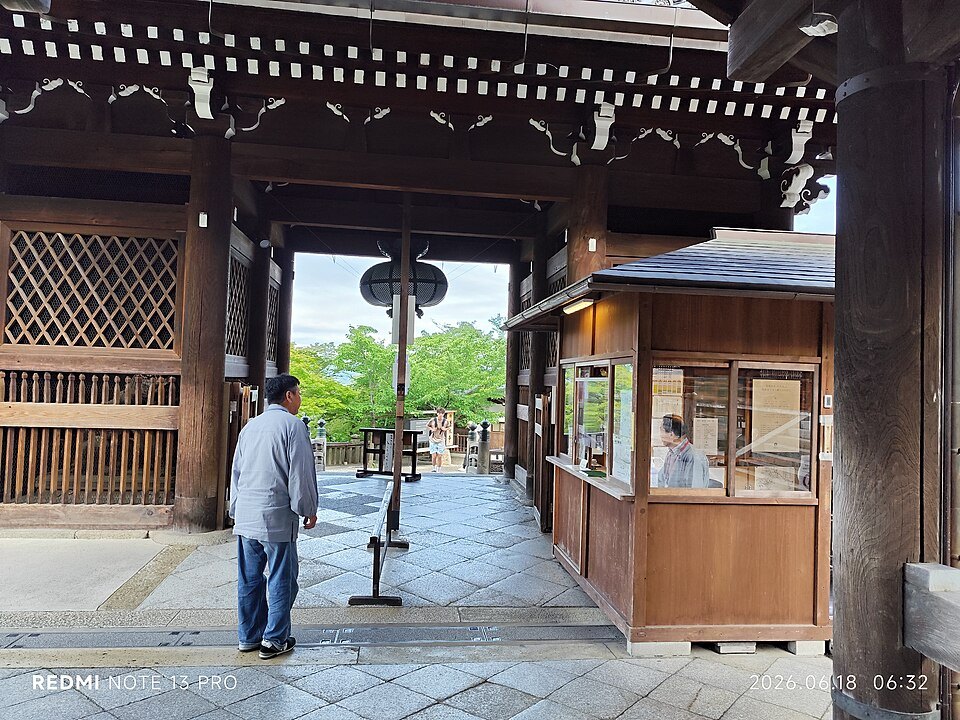 Kiyomizu-dera
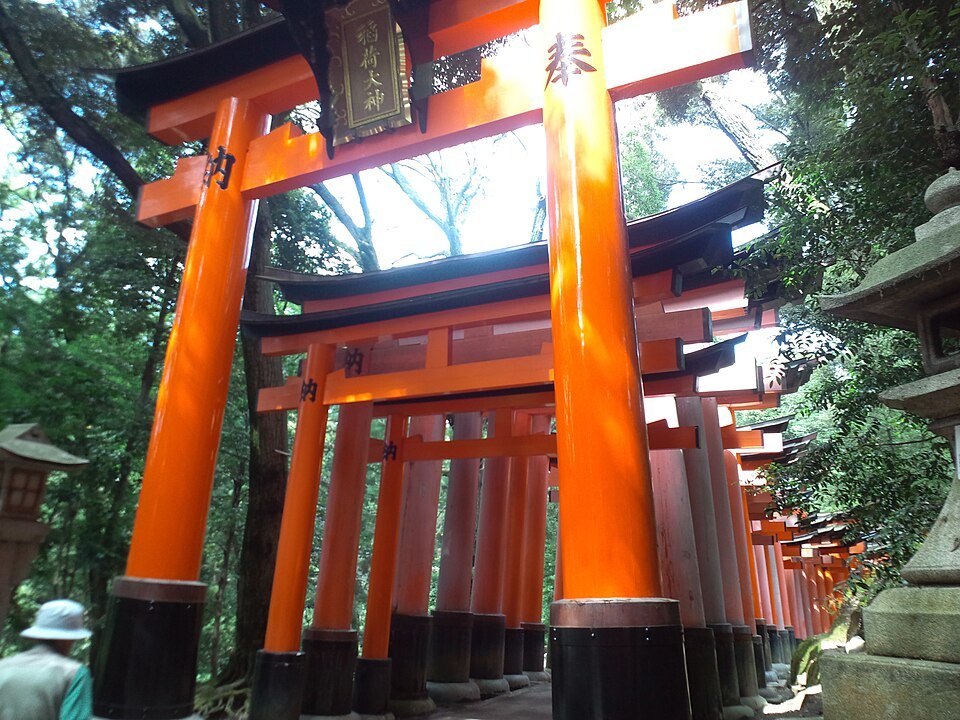 Fushimi Inari-taisha
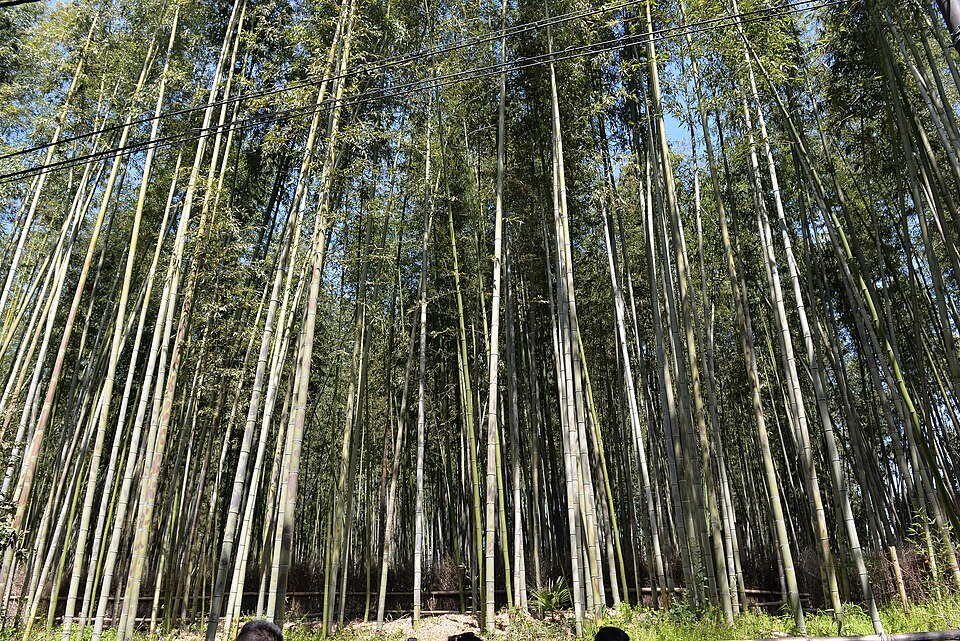 The Sagano Bamboo Grove
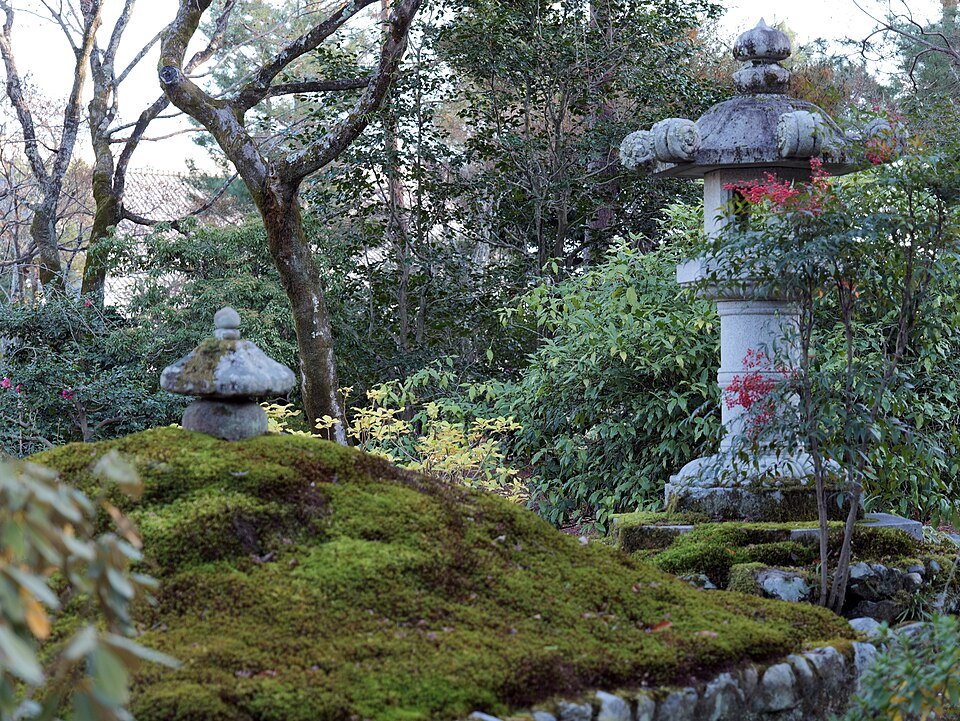 Tenryū-ji
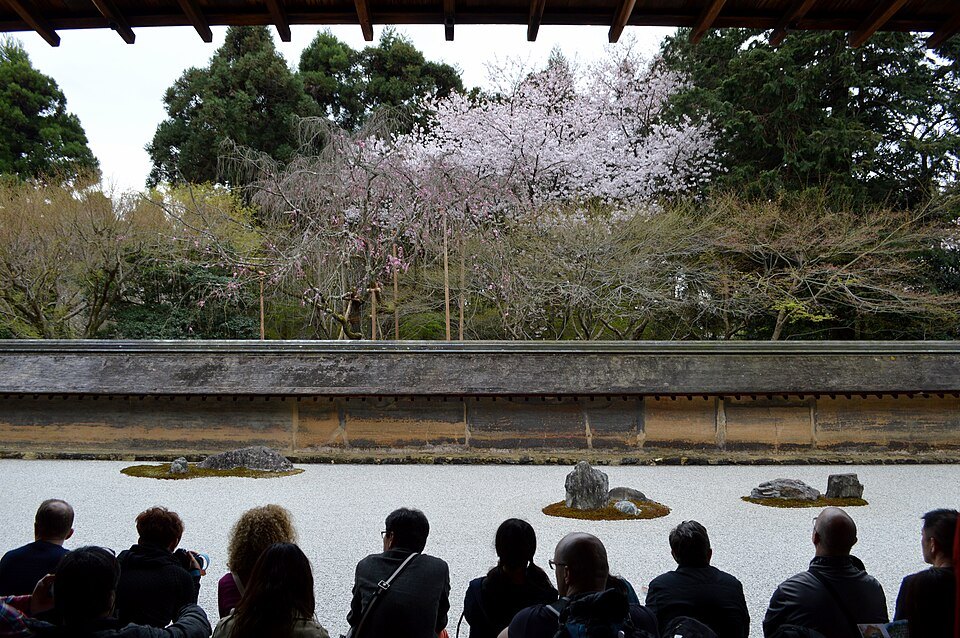 Ryōan-ji
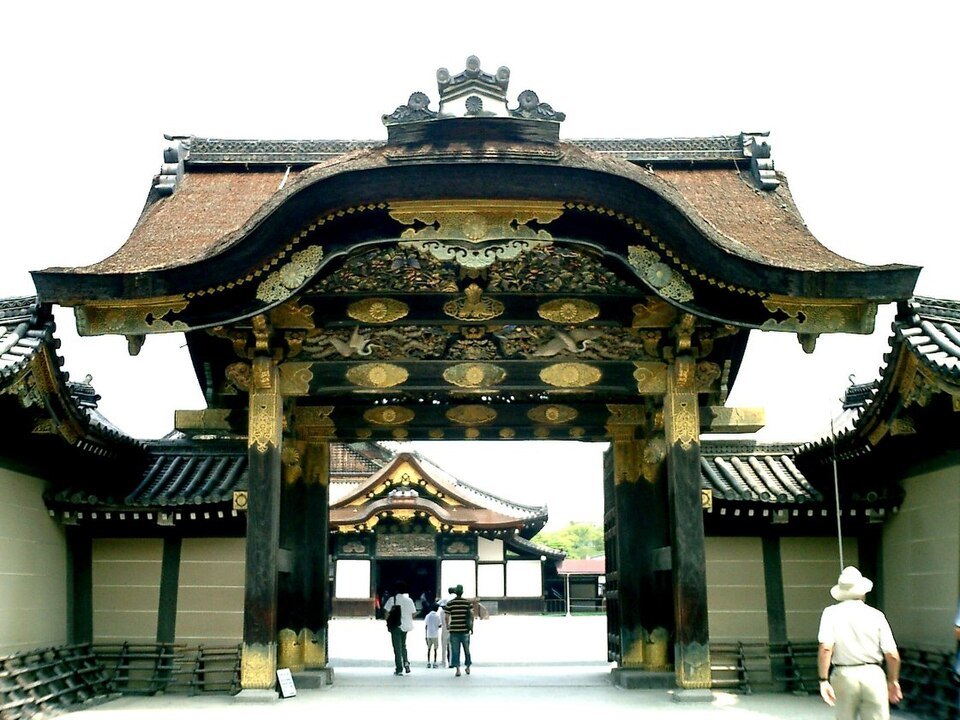 Nijō Castle
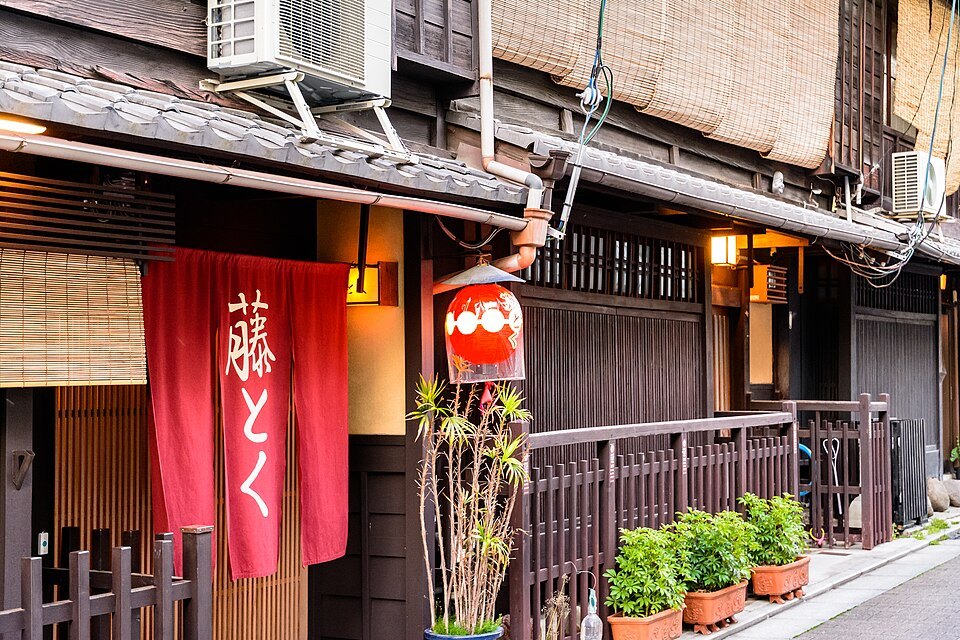 Gion
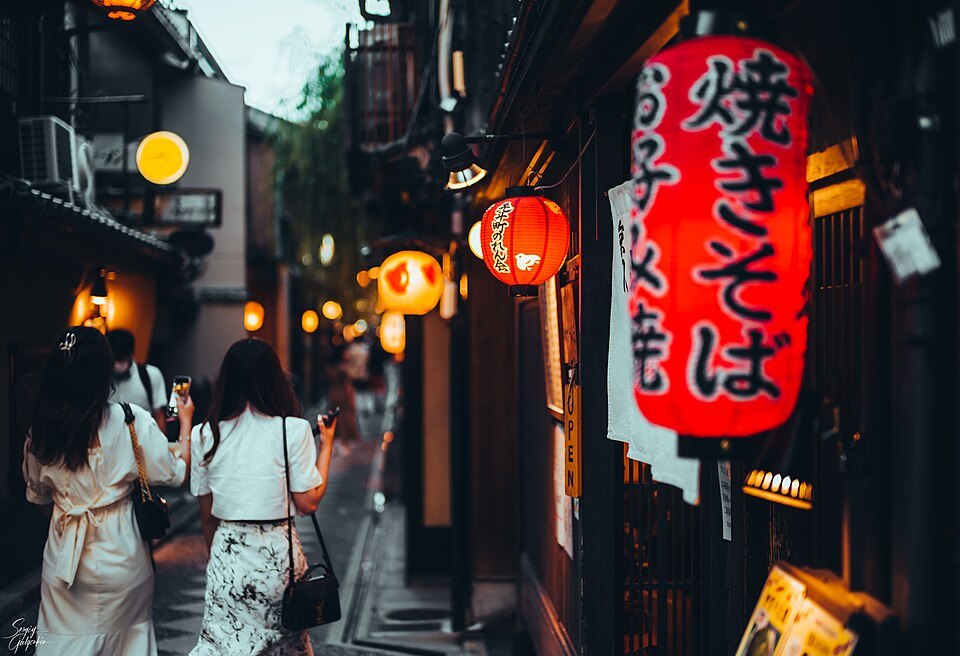 Pontochō
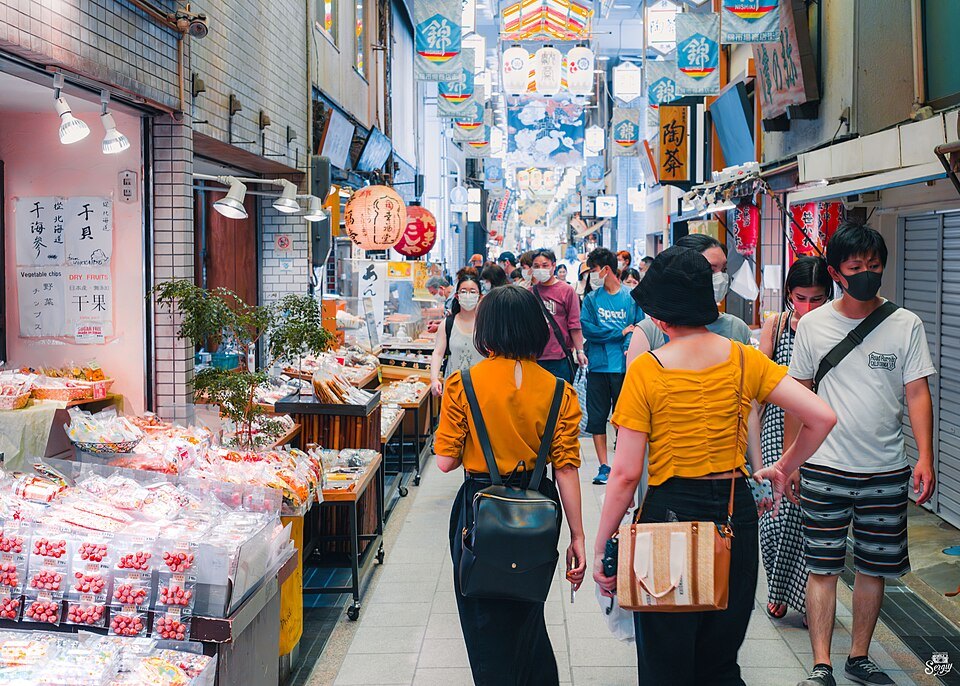 Nishiki Market
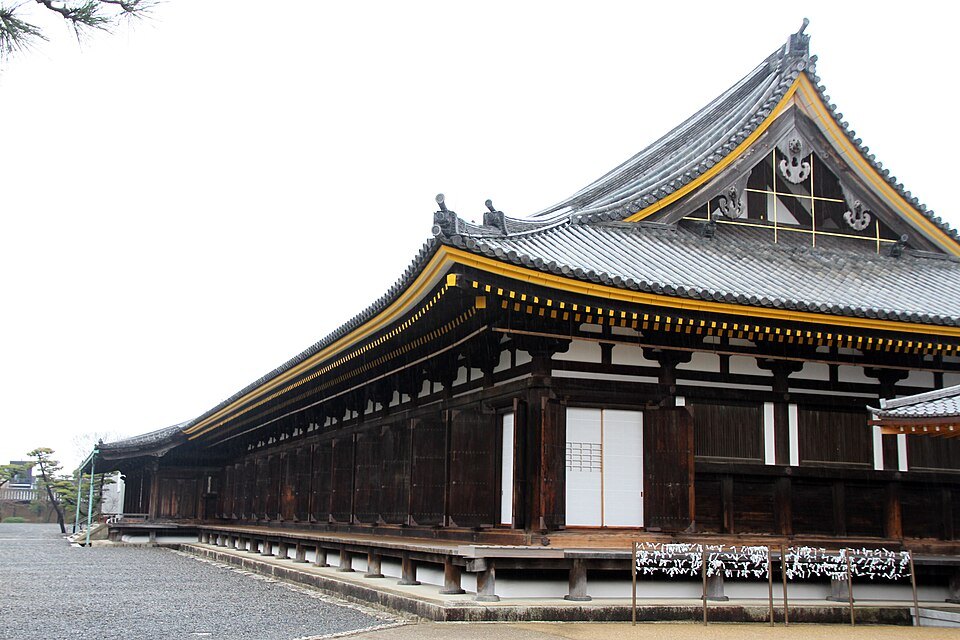 Sanjūsangen-dō
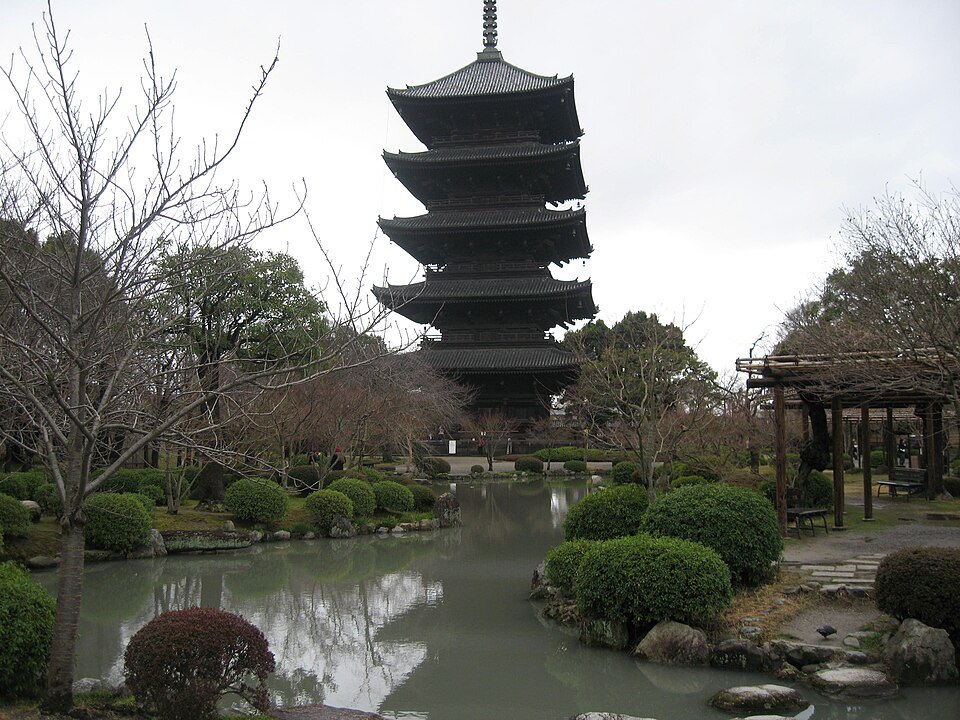 Tō-ji
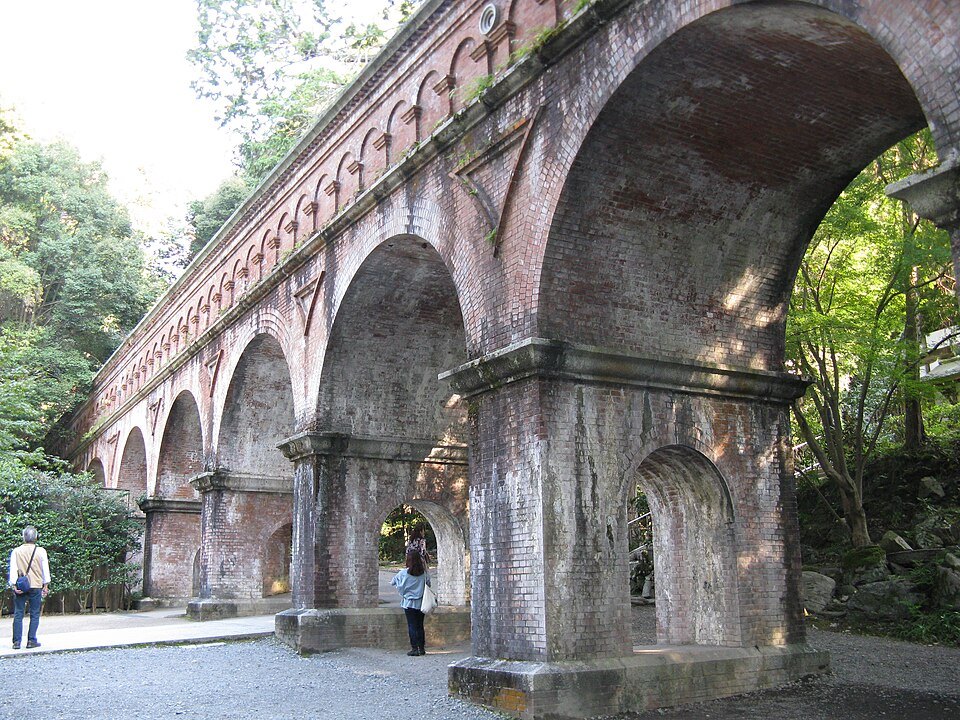 Nanzen-ji
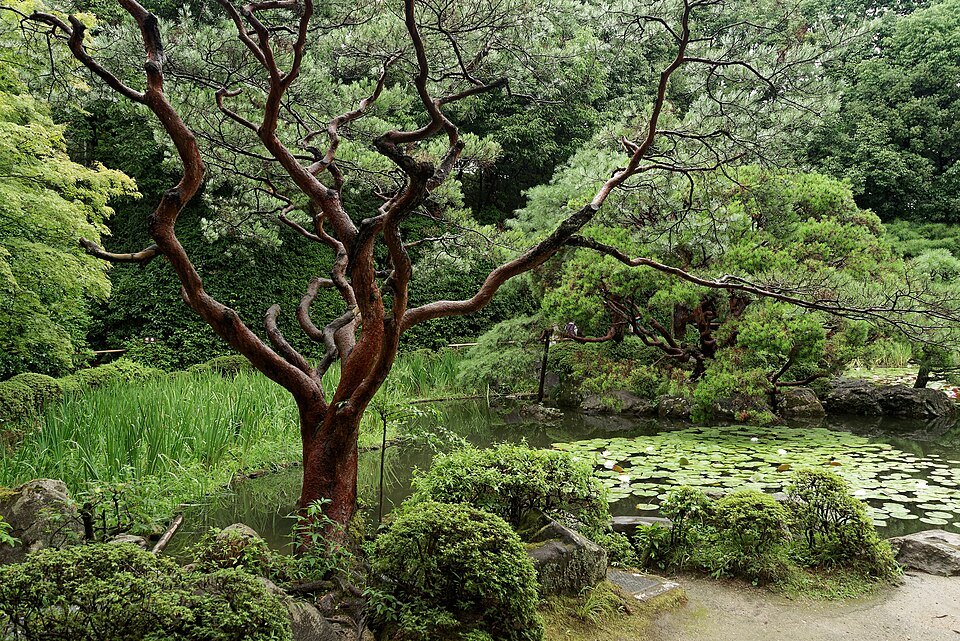 Heian-jingū
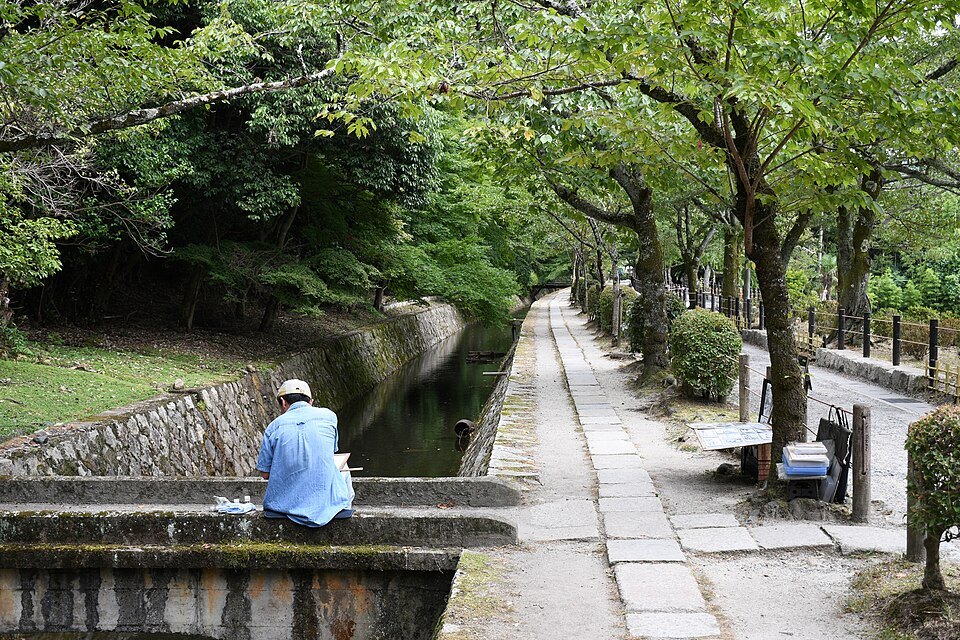 The Philosopher's Path