The shape of the year
Kyoto sits in a basin ringed by hills, which traps the weather. Summers are hot and very humid; winters are cold, dry and bright. Between them are the two seasons the city is famous for, and both are short.
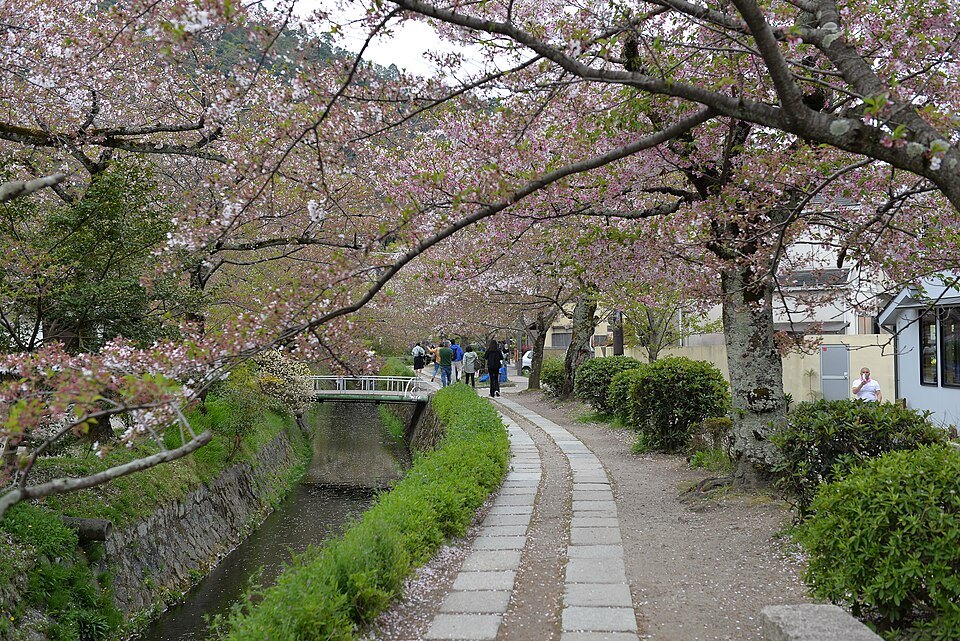
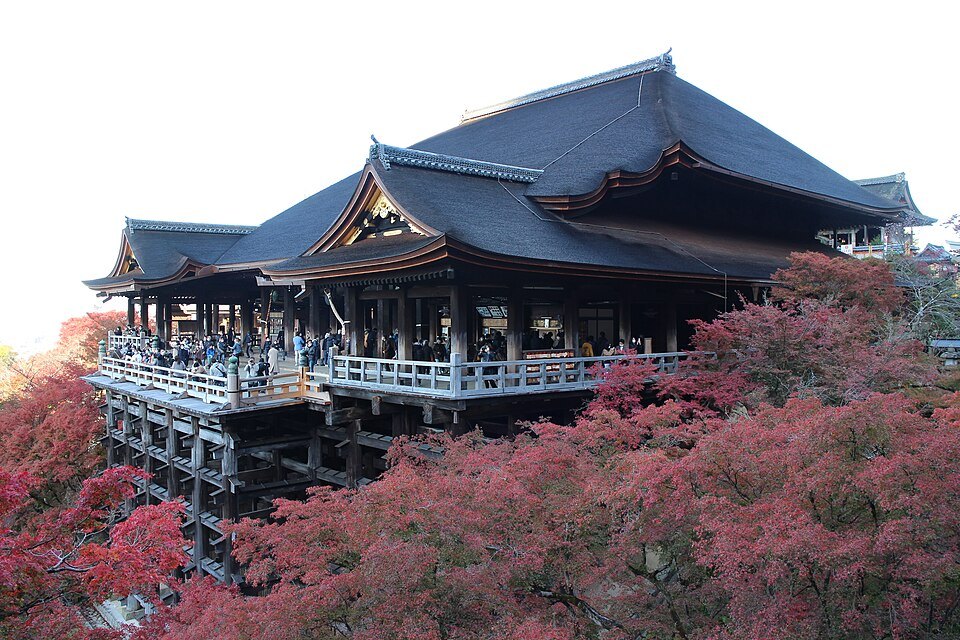
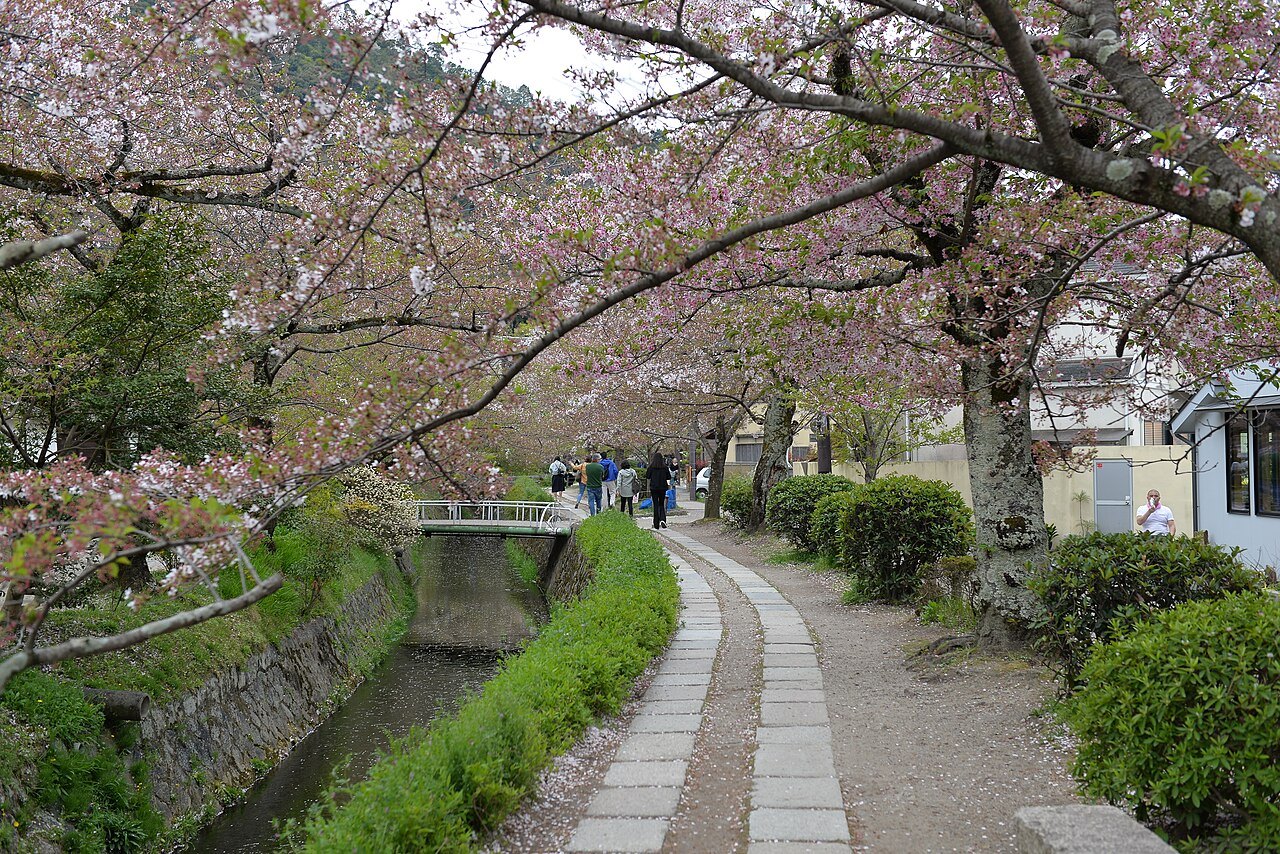
⭐ Cherry blossom comes in the first half of April and lasts about a week once it opens. Autumn colour peaks in the second half of November. Neither date can be predicted far ahead, and both move with the year's weather.
⚠️ The honest warning
Those two windows are when Kyoto is most beautiful and also when it is least pleasant. Accommodation is scarce and dear, the buses are full, and the Philosopher's Path and the bamboo grove become queues.
⭐ If you can only come then, come then — it is worth it. But go out at first light every single day, and treat the middle of the day as a write-off for anything famous.
The better months
Late May: everything green, gardens at their best, before the rains and before the heat. Early October: warm, dry, clear, and a month ahead of the autumn crowds.
⭐ Winter is the underrated one. Cold and bright, gardens stripped back to their structure, hardly anyone about, and the rare snowfall on a temple roof is the image everyone wants and almost nobody sees.
What is shut, and when
⭐ Kyoto's version of ‘closed on a Monday’ is the opposite problem: most temples open daily, but a great many of the best interiors and gardens are shut for most of the year and open only during special openings — a few weeks in spring and again in autumn. Which buildings, and which weeks, changes annually.
⚠️ So the thing to check before you build a day around a specific hall is whether it is open at all that month. See booking ahead.
The New Year days are the other exception, when much of the city closes and the shrines are extremely busy.
The rain
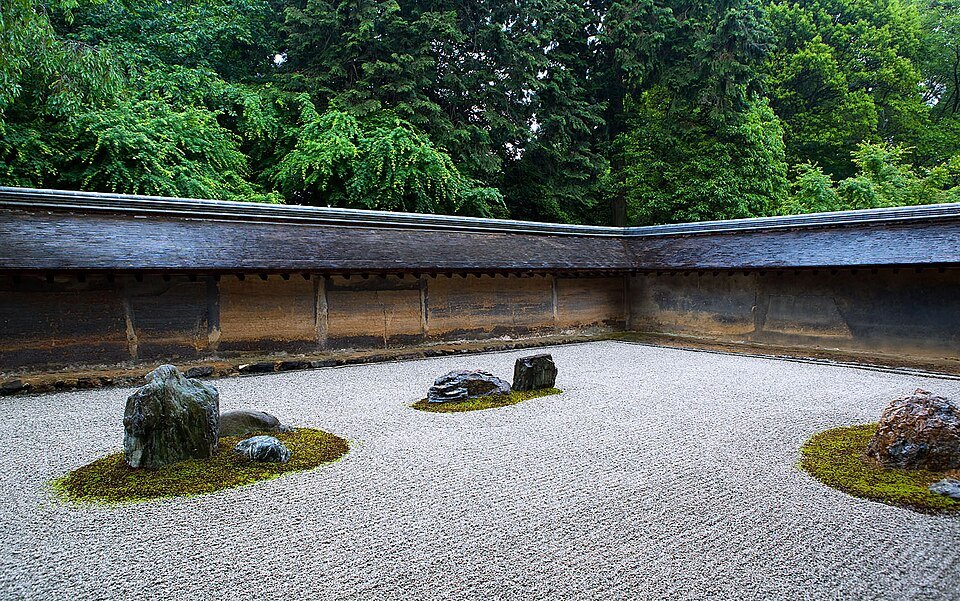
June into July is the tsuyu, the rainy season. It is not a washout — it rains hard and then stops — and it is the best time of the year for moss, which in this city is a real argument.