⭐ Telling them apart
Kyoto has both, side by side, and they are not the same thing. Temples are Buddhist. Shrines are Shinto. The difference is visible from outside.
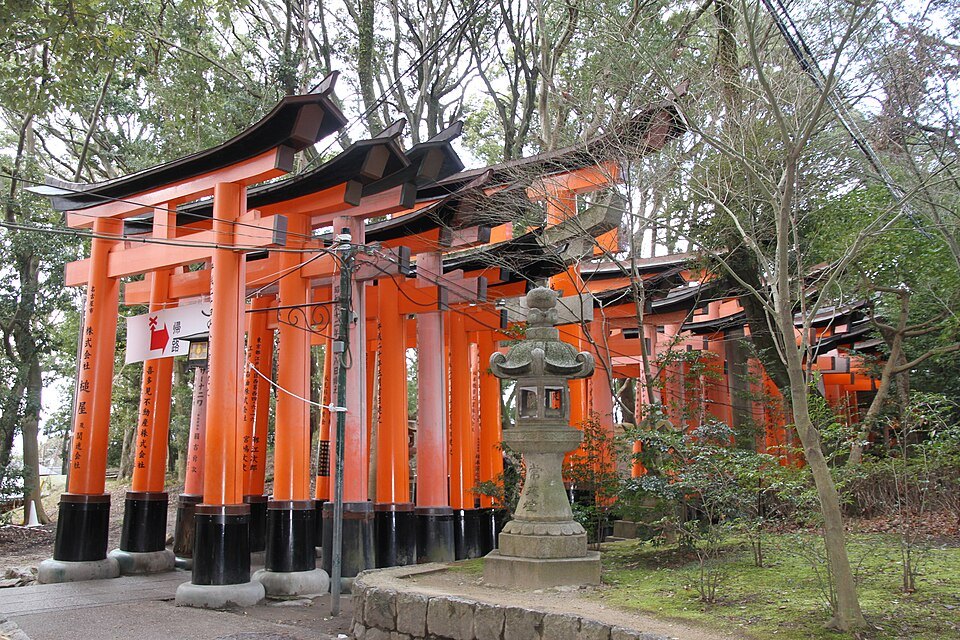
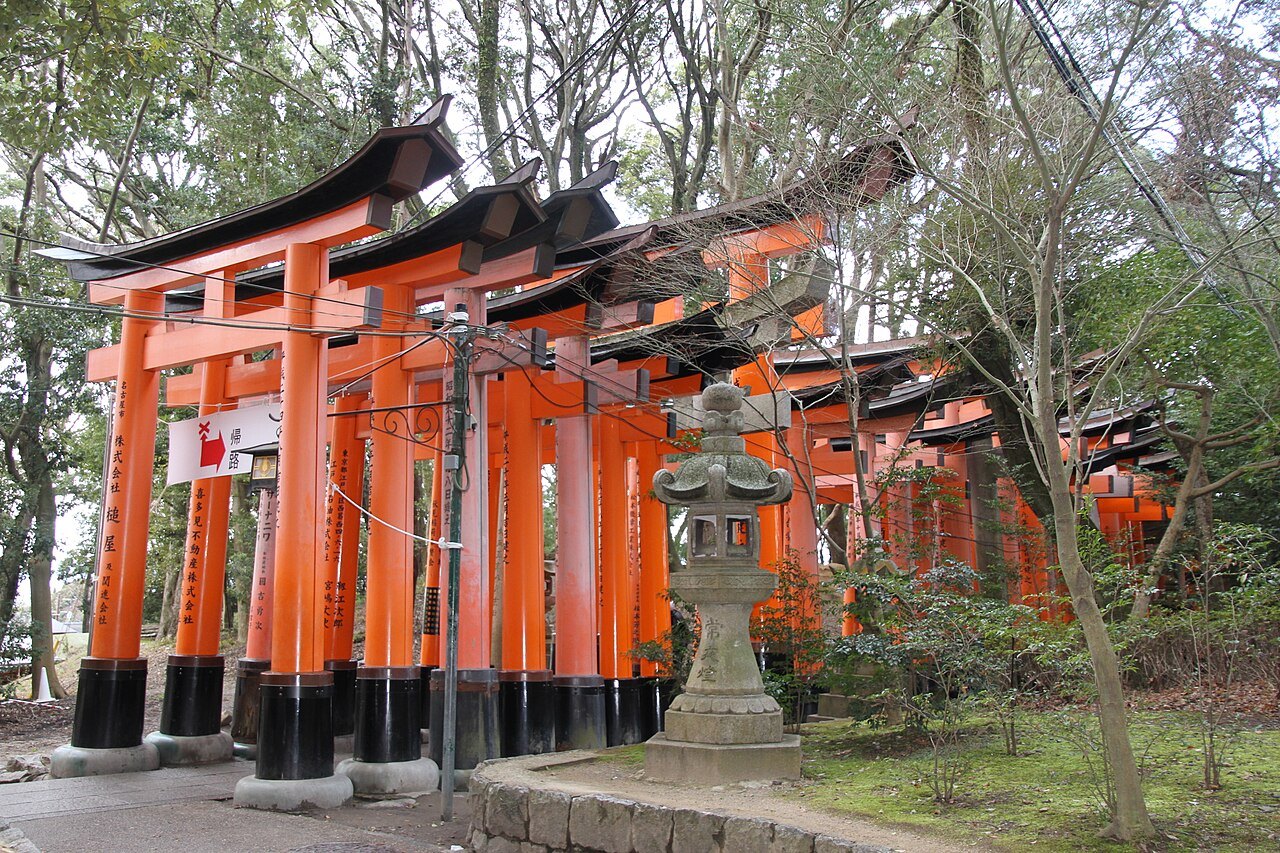
A torii — the two uprights and two crossbars, often vermilion — means a shrine. A heavy roofed gatehouse with doors, and usually a pair of guardian figures in it, means a temple.
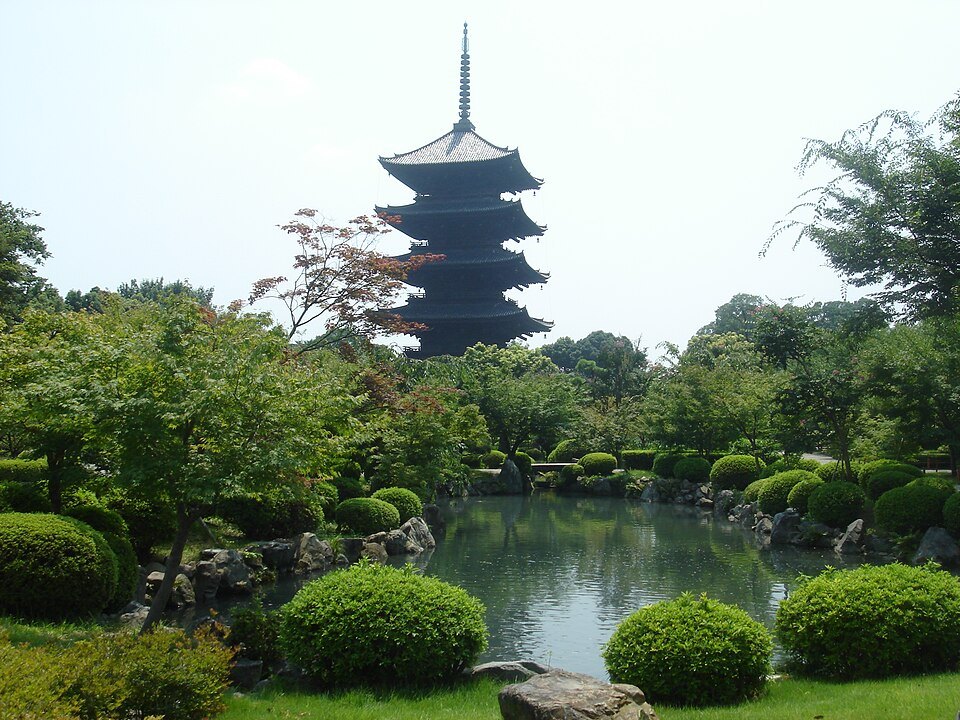
⭐ The name settles it too. Endings in -ji, -dera or -in are temples — Tō-ji, Kiyomizu-dera. Endings in -jinja, -taisha or -gū are shrines — Fushimi Inari-taisha, Heian-jingū.
What to do at a shrine
Stop at the temizuya, the water basin near the entrance. Take the ladle in your right hand and rinse the left, swap and rinse the right, then pour a little into a cupped hand to rinse your mouth — not from the ladle — and finally stand the ladle up so the water runs down the handle.
At the hall: bow twice, clap twice, hold your hands together for a moment, bow once more. That is the whole of it. ⭐ The clapping is the part people get wrong — it belongs at a shrine and nowhere else.
⚠️ The centre of the path through a torii is traditionally left clear. Walking a little to one side costs nothing and is noticed.
What to do at a temple
⭐ Do not clap. At a temple you bow, put your hands together quietly, and bow again. If there is a censer, waft a little of the smoke towards yourself.
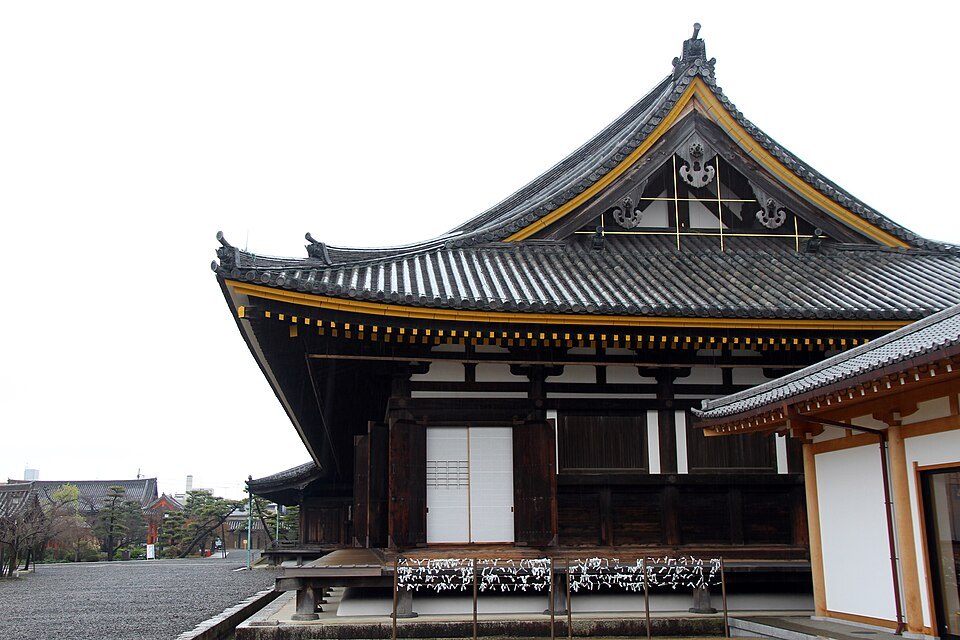
Shoes come off wherever there is a raised wooden floor, which is most halls worth entering. Socks are therefore a practical matter and not a detail.
Photography inside halls is very often prohibited — at Sanjūsangen-dō and inside the palace at Nijō Castle, among many others. The signs are the authority.
Goshuin
⭐ Most temples and shrines will brush a goshuin — a calligraphic seal with the date and the name of the place — into a concertina book you carry for the purpose. It is a far better record of a trip than photographs, and it turns a day of sightseeing into a collection.
⚠️ It is a religious inscription, not a stamp rally. The book is bought at the first place you visit, and it is for goshuin only.