What this site is
Sixteen sights, one page each, and ten sections on how the city actually works — the grid you can navigate by arithmetic, the difference between a temple and a shrine and what to do at each, the townhouse lattice, the seasons, and the handful of things that genuinely need booking weeks ahead.
⭐ The thesis: the photograph is not the place. Kyoto's images promise emptiness and silence — an unpeopled bamboo corridor, a rock garden with nobody in it — and the city is a working place of well over a million people where the famous bamboo path is a few hundred metres long and full. Almost everything here still delivers on the promise; it just does it at seven in the morning rather than at eleven.
Kyoto, the city — not Kyoto, the prefecture
⚠️ This is a guide to the CITY. Kyoto Prefecture runs from the tea towns in the south to the Sea of Japan, and a great deal of what is sold as ‘Kyoto’ is somewhere else in it. Uji — where the Phoenix Hall on the ten-yen coin stands, and where the tea comes from — is a different town. Amanohashidate and Maizuru are two hours away on the north coast.
Where those places appear here they appear as day trips, which is what they are. They are worth going to. They are not this city.
How it is made
This site is written and maintained with the assistance of AI, edited and fact-checked before publication. That is stated on every page in the footer, not buried here.
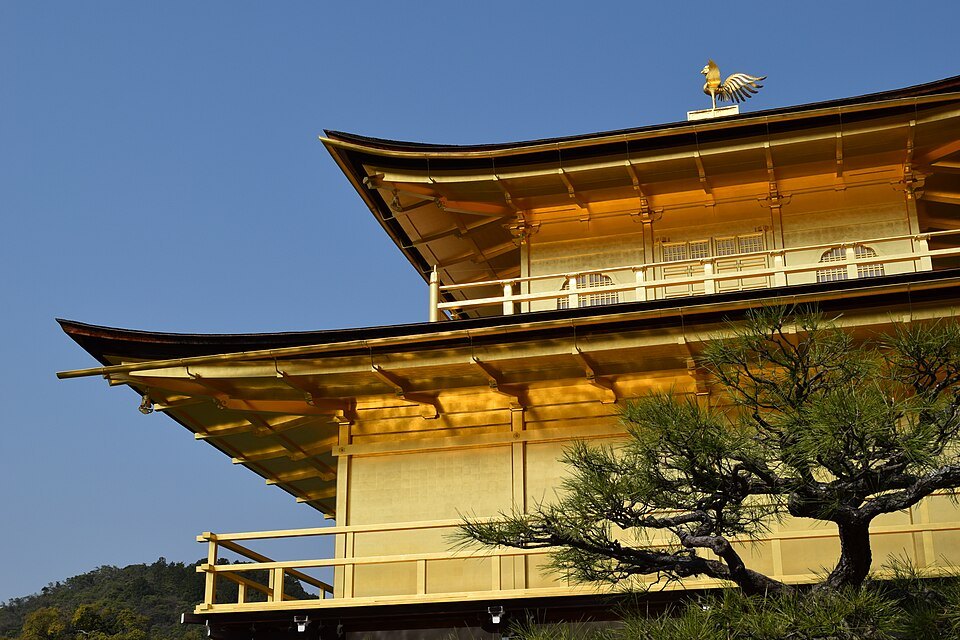
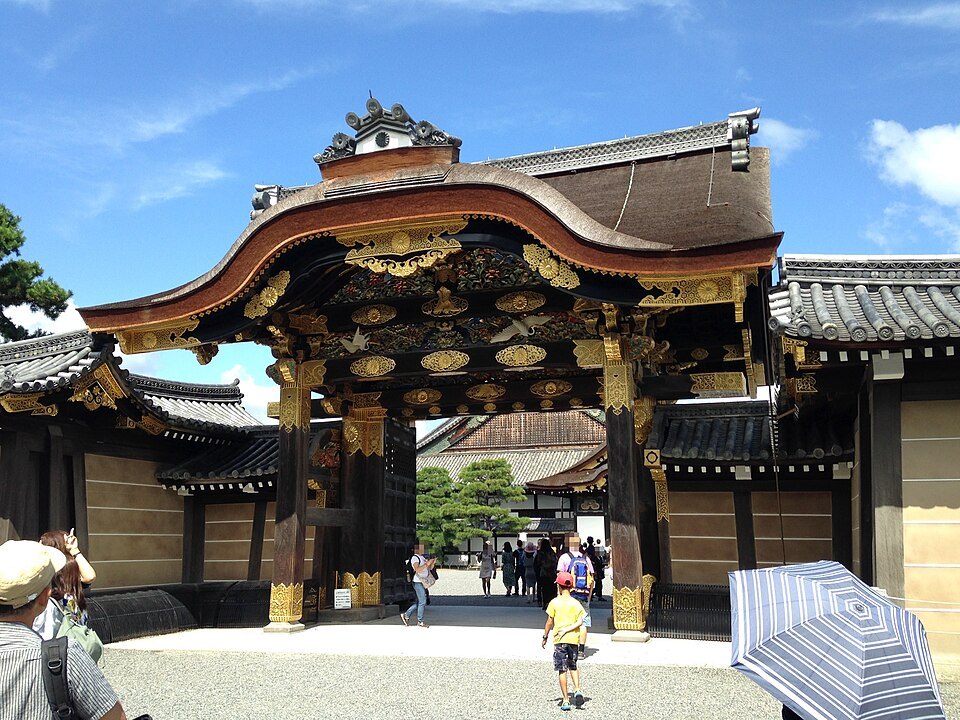
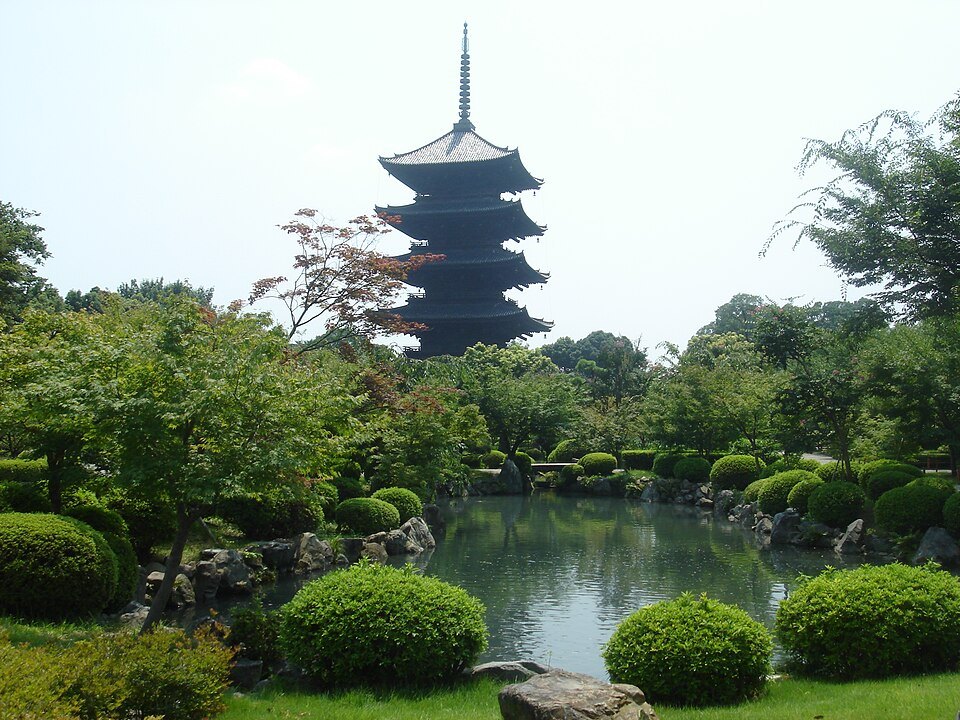
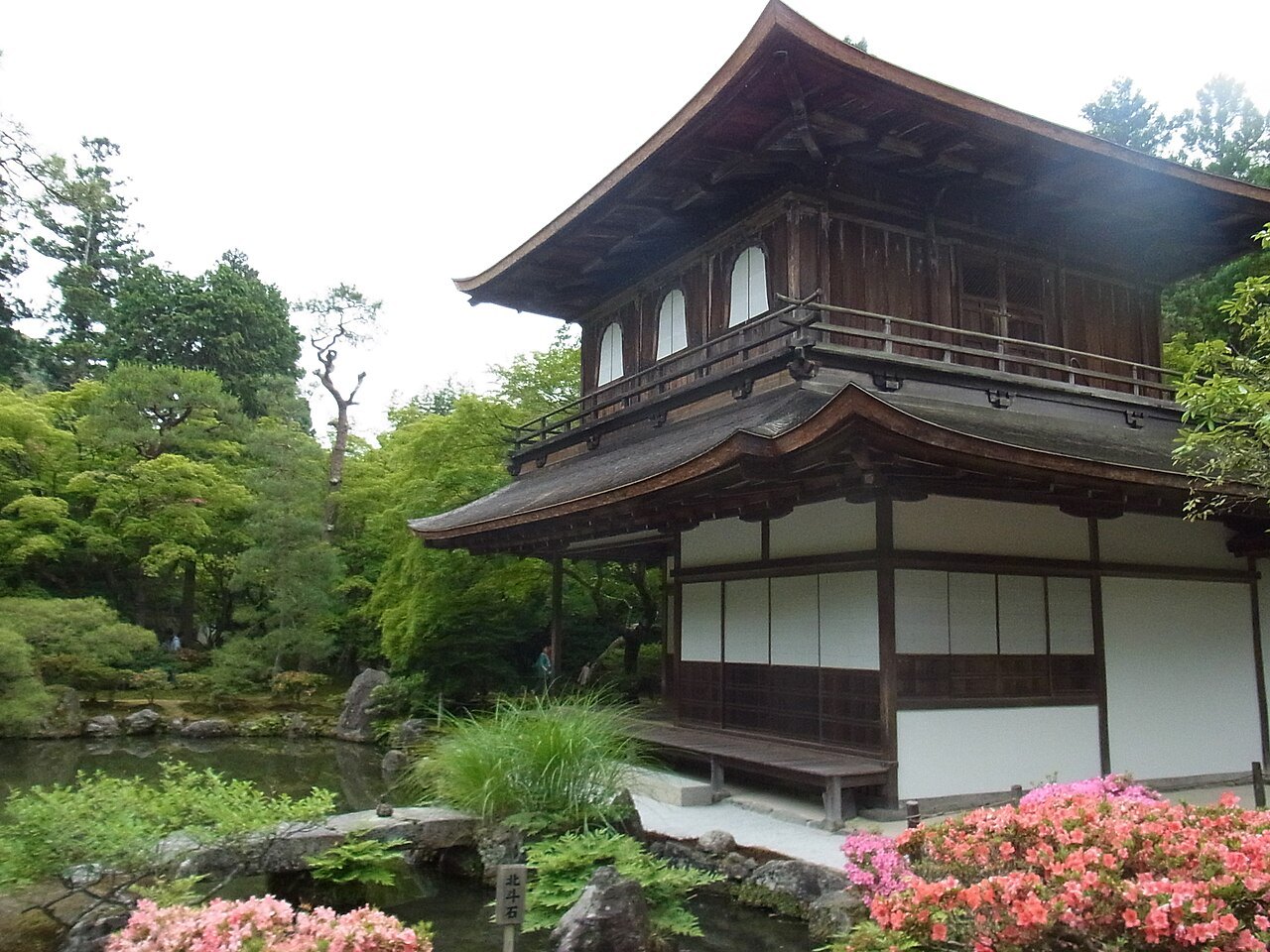
Photographs come from Wikimedia Commons and are credited individually on the page each one appears on, with a link to the original file and its licence.
What it will not tell you
⛔ No admission price, opening time or fare appears anywhere on this site. Those change, and the operator is the only source that is right on the day you travel.
It also does not recommend individual restaurants or hotels. Kyoto's best kitchens are small and many of them do not take a booking from someone who has not been before; a guide written at a desk cannot help you with that, and pretending otherwise would waste your evening.
Corrections
If something here did not match what you found, the contact page goes to a person who will check it.