What it is
A flat, moated castle in the middle of the city rather than a fortress on a hill, built in 1603 as the Kyoto residence of Tokugawa Ieyasu — the shōgun's statement of authority in the emperor's own city.
The set piece is the Ninomaru Palace: a chain of audience rooms rising in status as you go in, with sliding doors painted by the Kanō school — pines, tigers, hawks, all of it addressed at whoever was being received.
The floors
⭐ The corridors are laid with uguisubari — nightingale floors. The boards are fitted so that the nails and clamps beneath rub as they flex, and the whole corridor chirps under any weight. Whether that was a deliberate alarm against intruders or a happy accident of the joinery is disputed, but the effect is unmistakable and you cannot cross silently.
Where it ended
⭐ In 1867, in this building, Tokugawa Yoshinobu announced that he was returning governing power to the emperor. Two and a half centuries of Tokugawa rule ended in the same rooms that had been built to display it, which is a rare thing to be able to stand in.
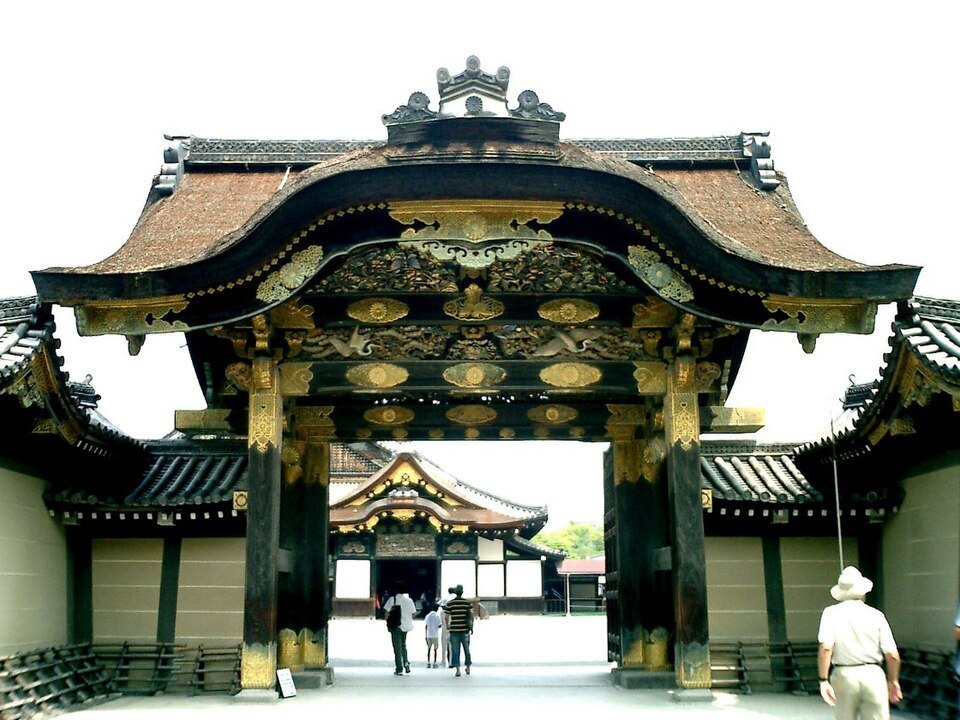
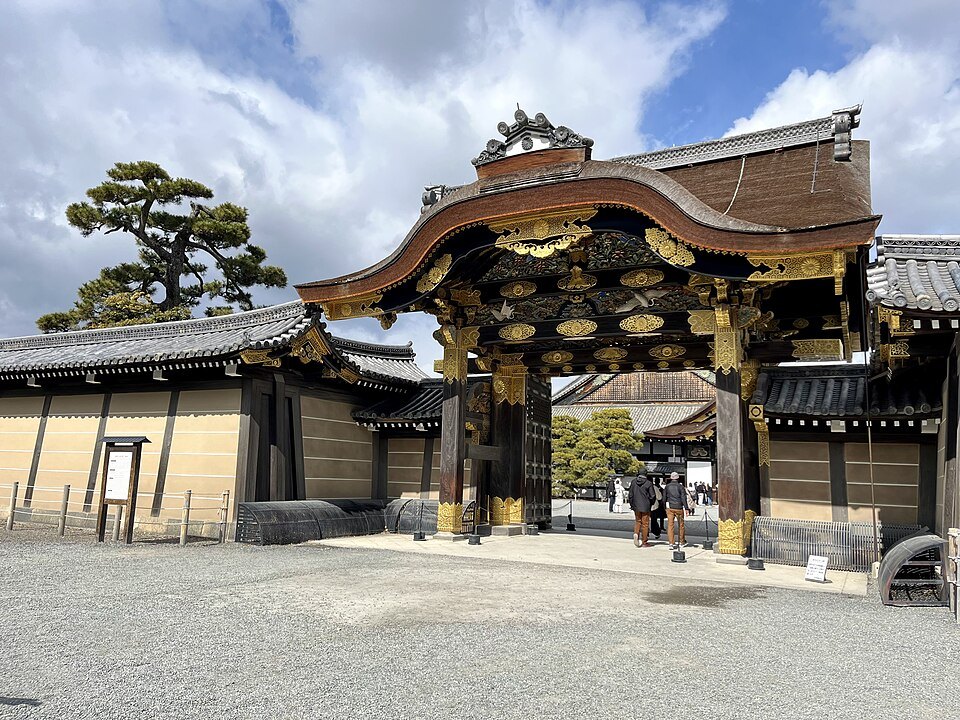
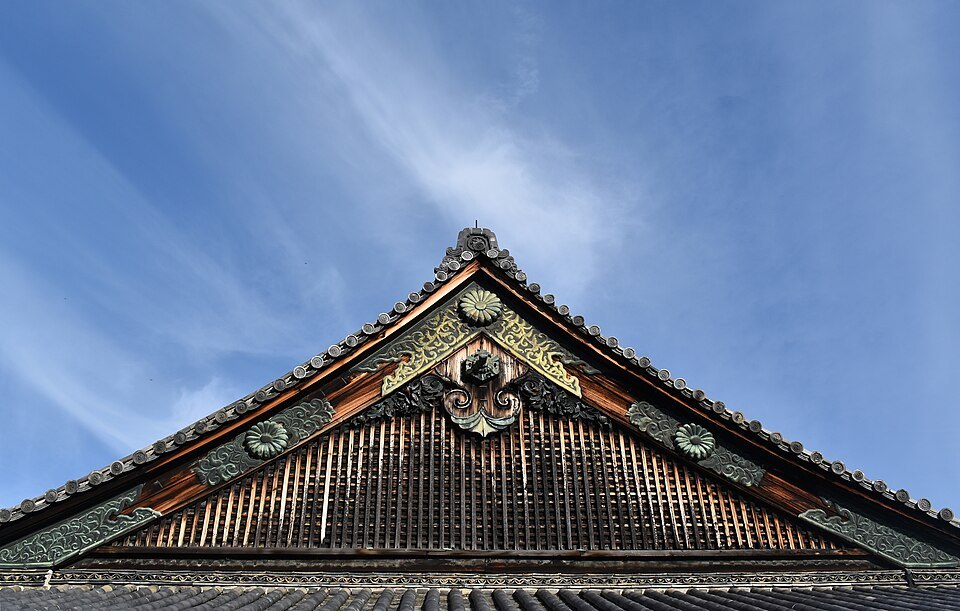
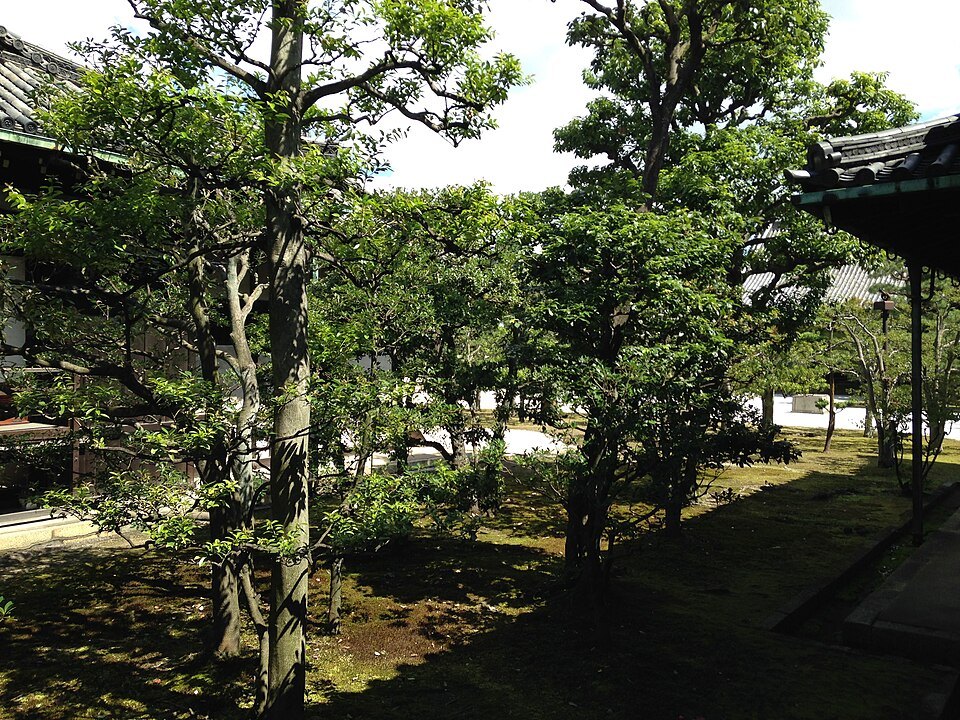
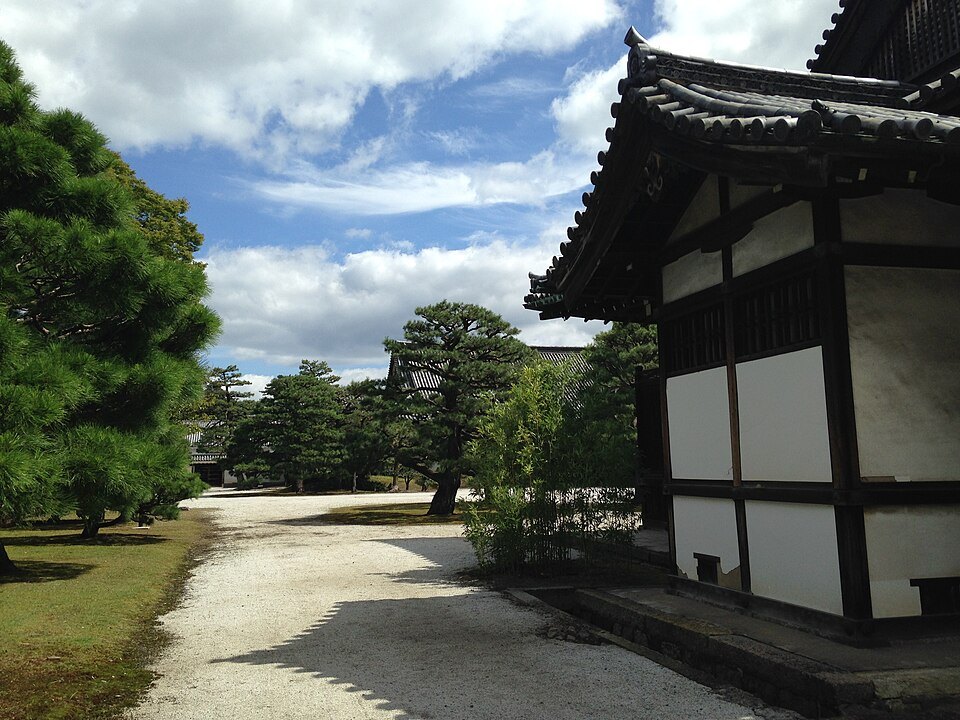
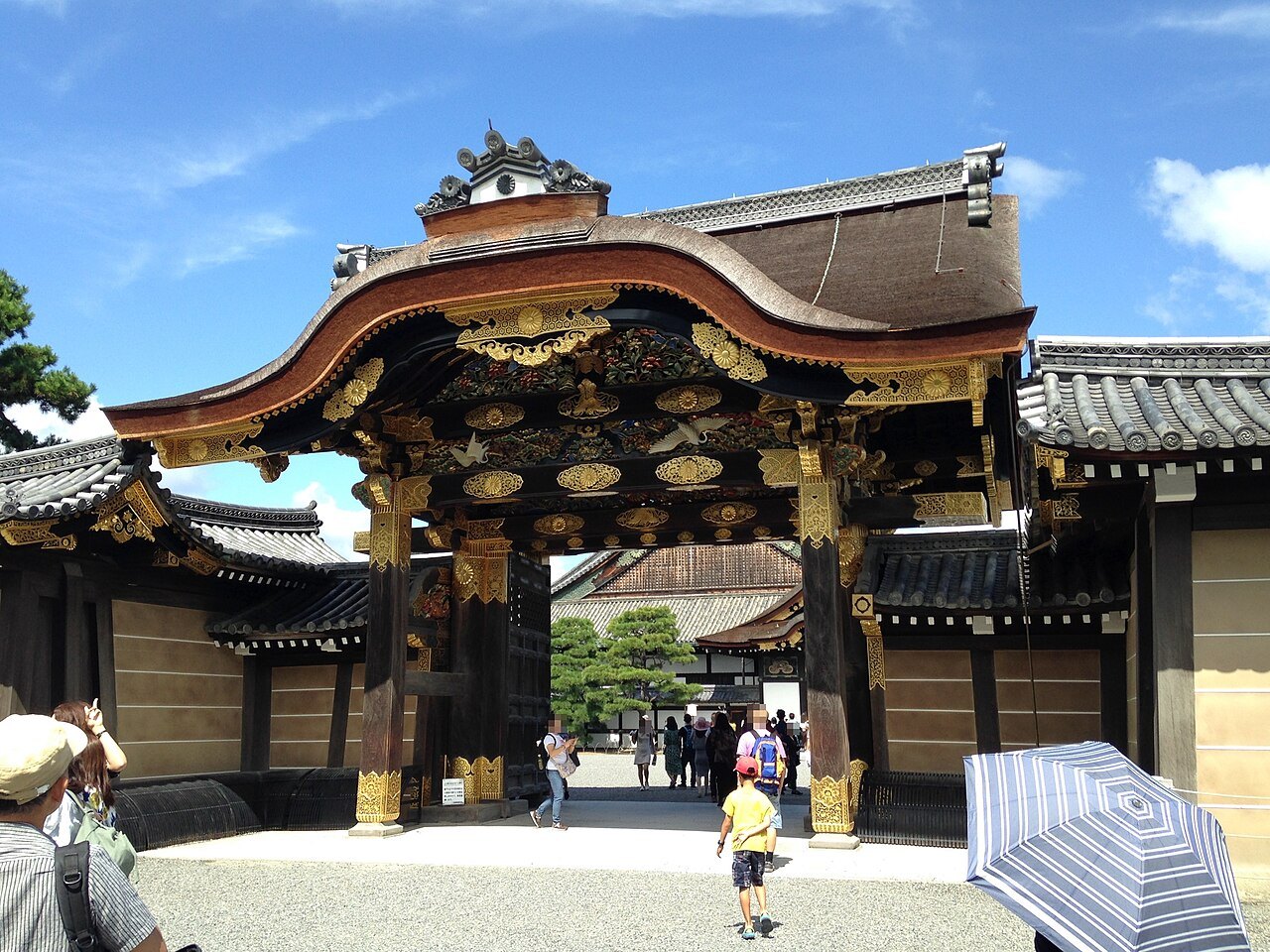
⚠️ Shoes come off for the palace and photography is not allowed inside it, which is why every picture of Nijō is the gate, the walls or the garden.