What it is
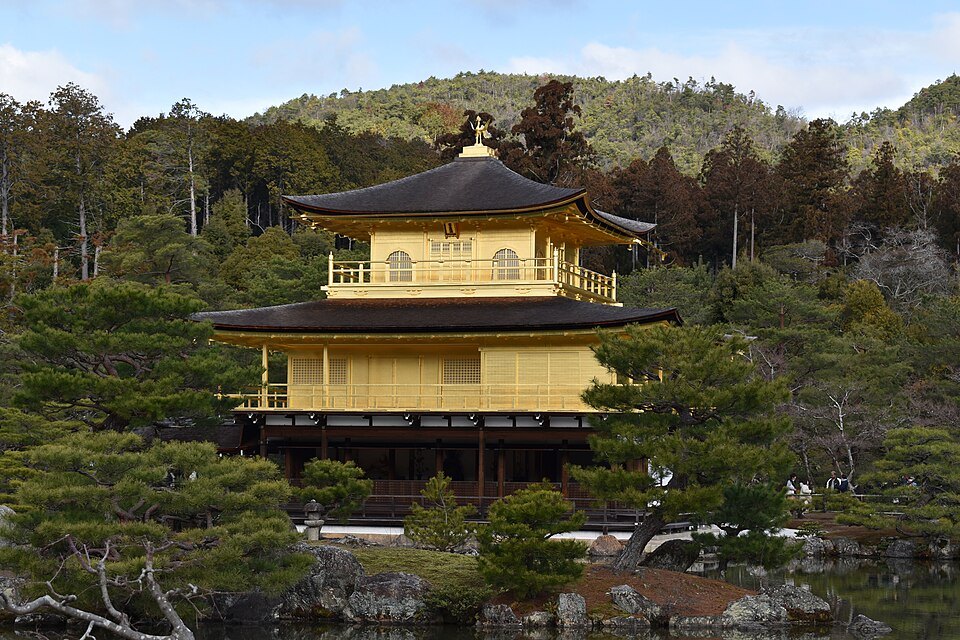
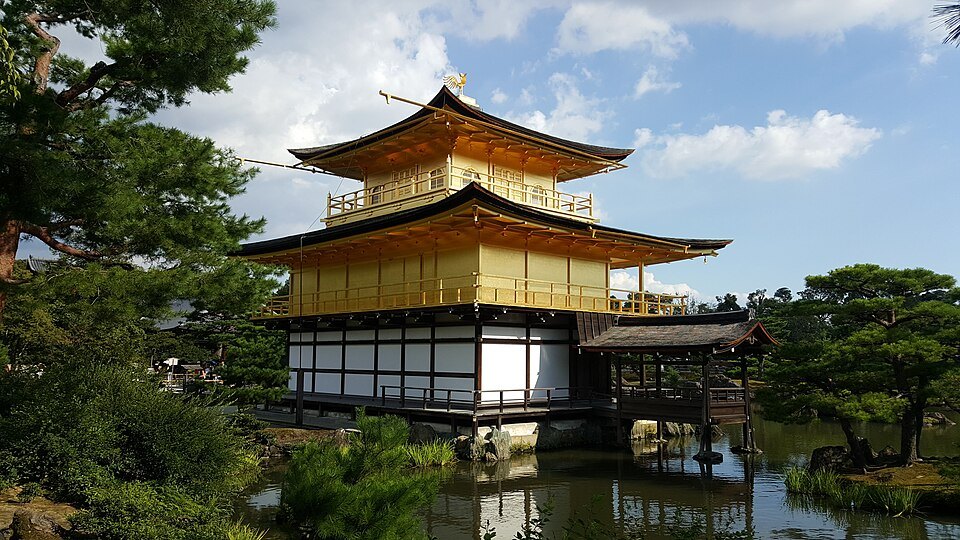
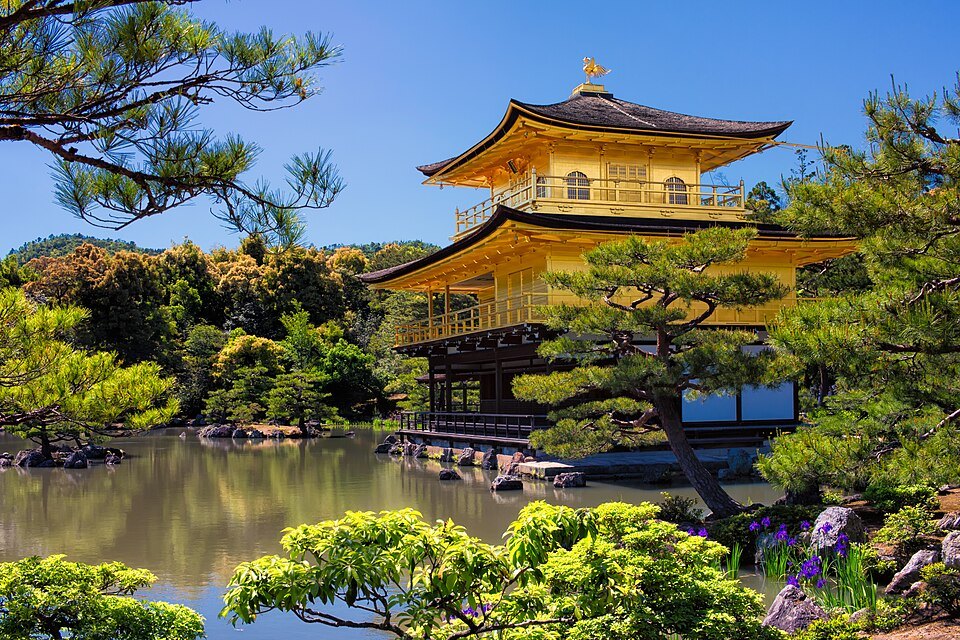
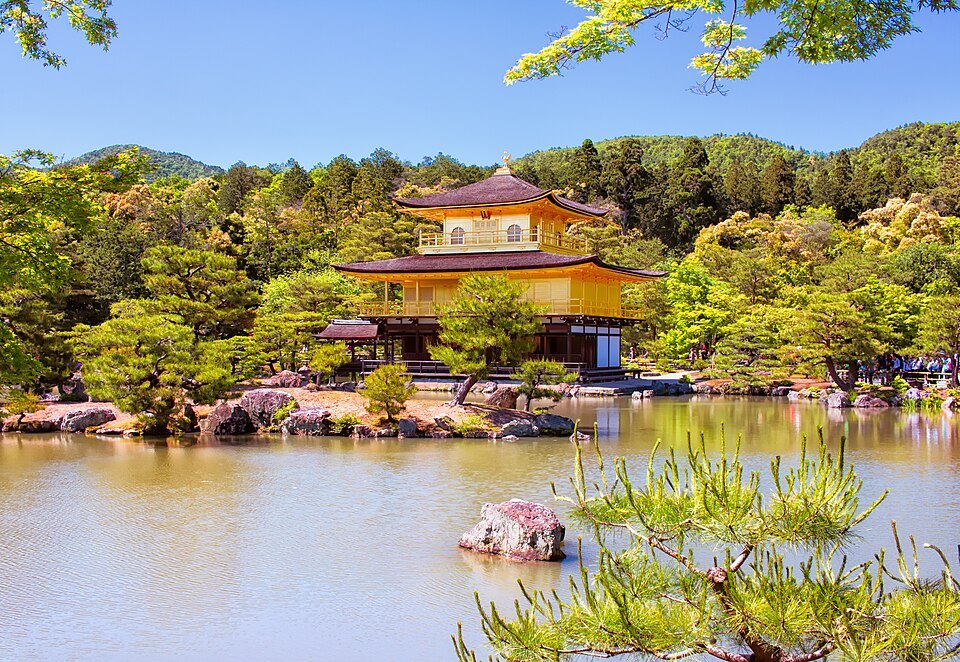
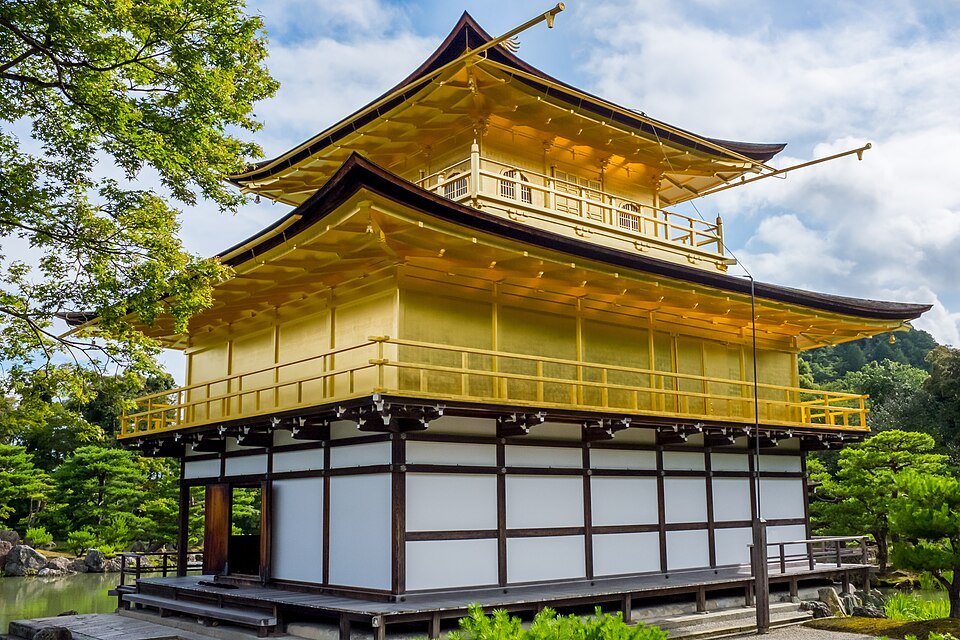
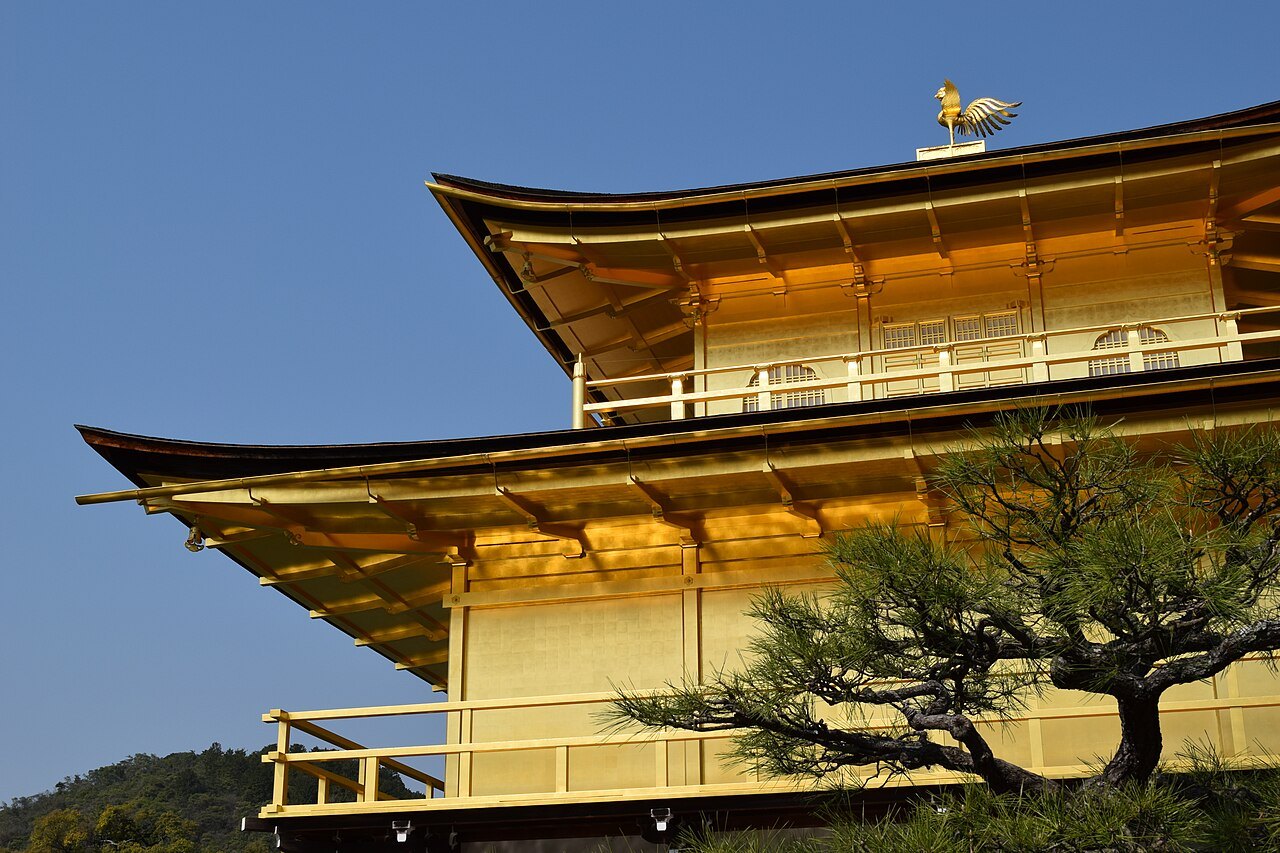
The Golden Pavilion, properly Rokuon-ji, is a three-storey pavilion at the edge of a pond in the north-west of the city. The upper two storeys are covered in gold leaf; the ground floor is left as plain timber.
⭐ Each storey is built in a different style — a Heian aristocratic hall at the bottom, a samurai residence above it, and a Chinese Zen hall at the top — stacked on one another. It was the retirement villa of the shōgun Ashikaga Yoshimitsu, and became a temple after he died in 1408.
The part nobody mentions
⚠️ The building is from 1955. In 1950 a novice monk of the temple burned the pavilion to the ground, and what stands now is a reconstruction — gilded more thickly than the original, on the evidence of what survived.
That does not make it less worth seeing, but it changes what you are looking at: a careful twentieth-century rebuild of a fourteenth-century idea, rather than a building that has stood there for six hundred years.
How the visit works
⚠️ It is a one-way loop, and a short one. You come in, walk around the pond, look at the pavilion from the far bank where every photograph is taken, climb past it and leave. There is no lingering and no going back round.
The pavilion is not entered. ⭐ The reflection is the point, so still water matters more than sunshine — and the pond is stillest early, before the coaches.