What it is
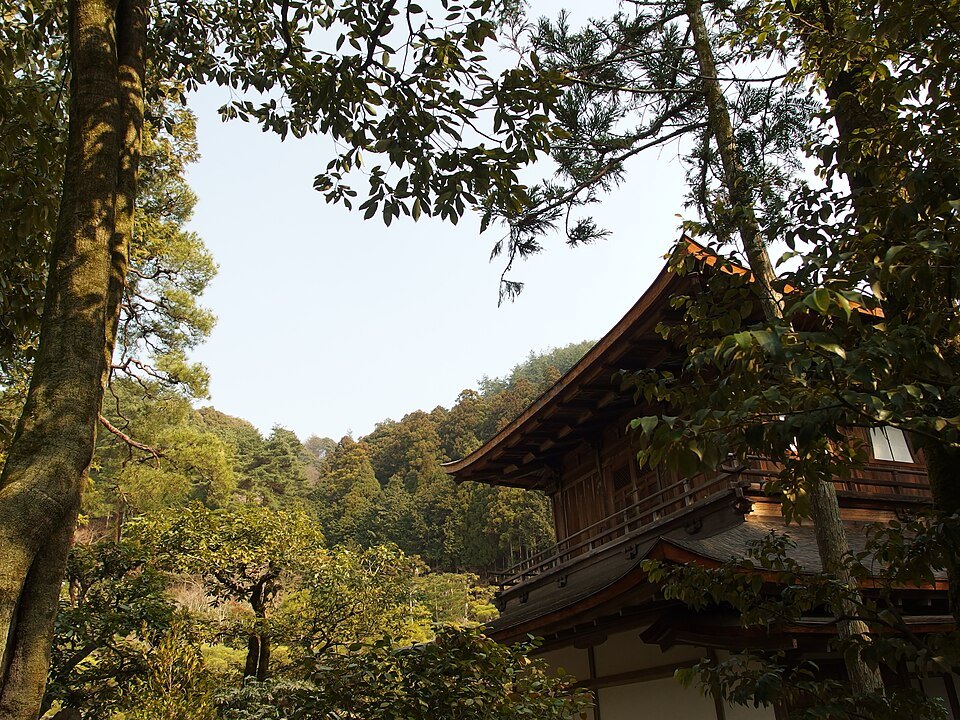
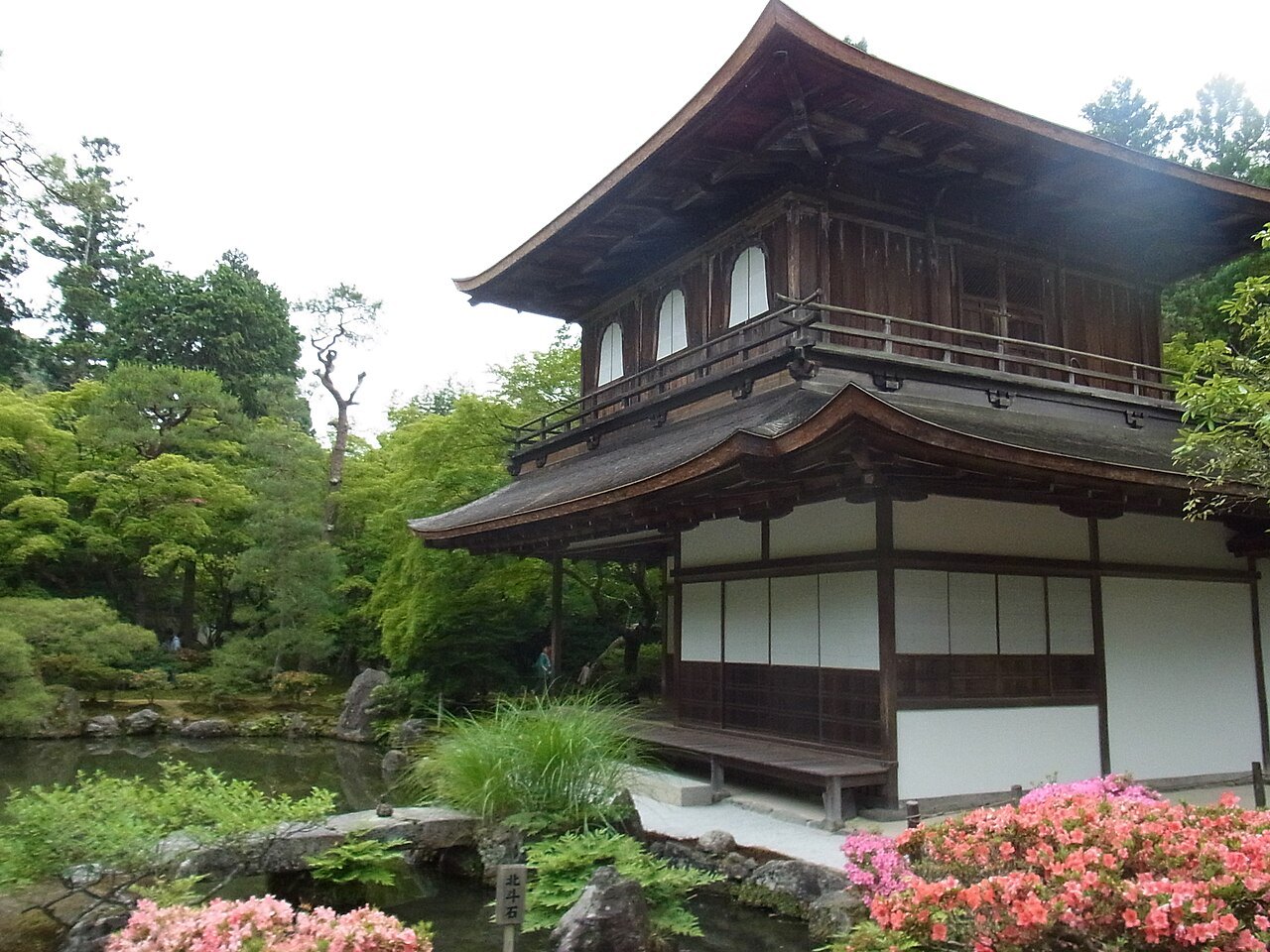
The Silver Pavilion, properly Jishō-ji, at the foot of the eastern hills. It was begun in 1482 as the retirement villa of Ashikaga Yoshimasa, grandson of the man who built Kinkaku-ji, and became a temple when he died in 1490.
⭐ It has no silver on it and never did. The name is a later nickname, set against its grandfather-building across the city, and the contrast is the whole point: where Kinkaku-ji shouts, this is dark timber and bare plaster.
The sand
In front of the hall are two things made entirely of raked white sand: the Ginshadan, a wide field combed into parallel waves, and the Kōgetsudai, a flat-topped cone about waist high. They are maintained, not preserved — the shapes are re-made constantly.
⚠️ Nobody can tell you with certainty what they represent. A sea and a mountain, the moon reflected, a surface to throw moonlight back into the hall: all of these are offered, and none is settled.
Why it matters more than it looks
⭐ The culture that formed around Yoshimasa here — the tea ceremony, flower arrangement, nō, the taste for the plain and the worn — is most of what the world now thinks of as Japanese aesthetics. It came out of this modest grey building, not the gilded one.
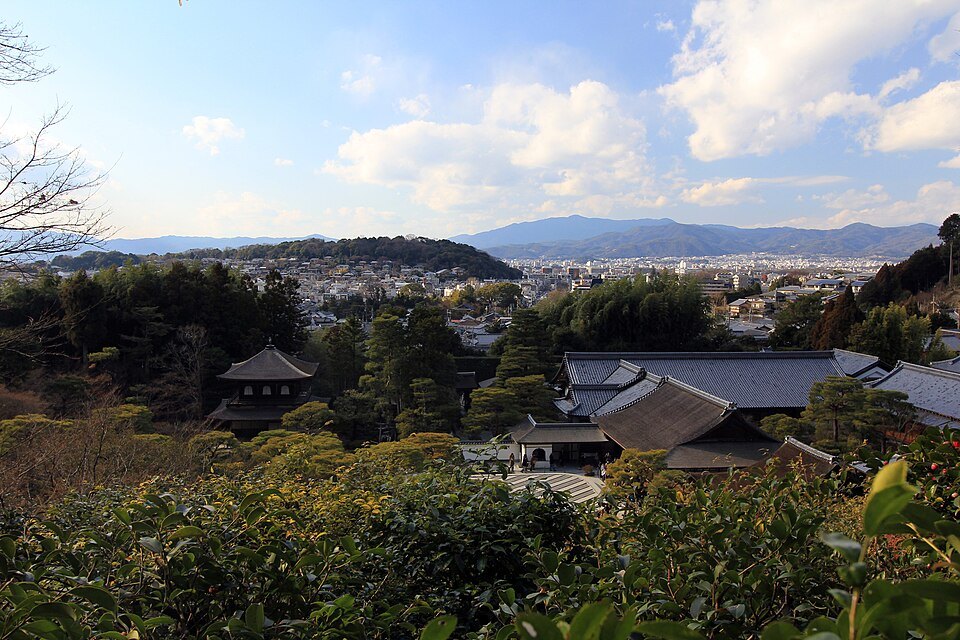
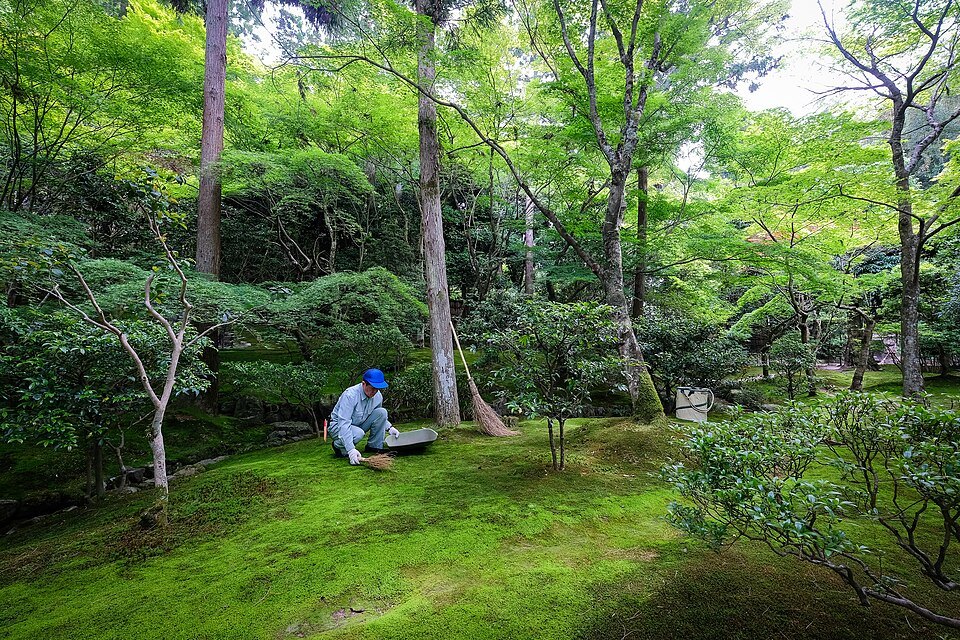
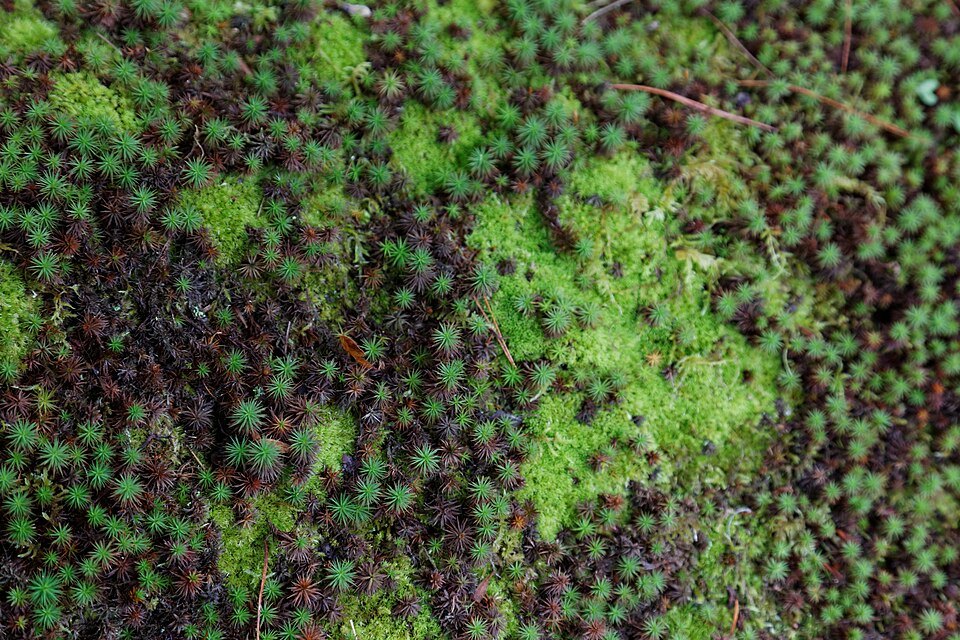
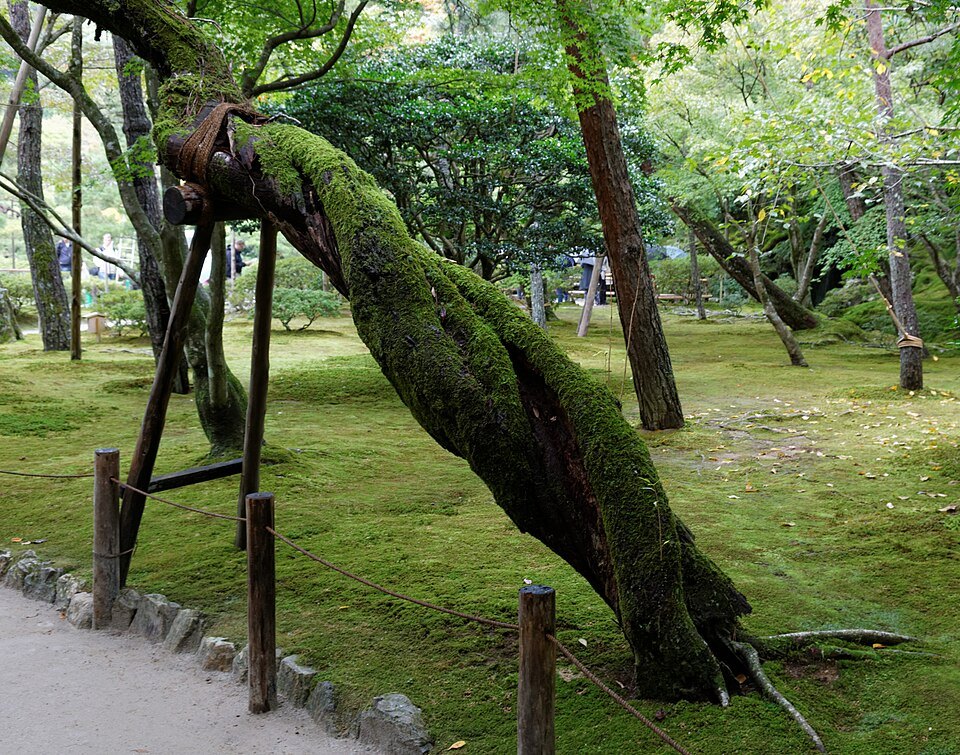
The path climbs behind the pavilion through moss and up the hillside, and the view back over the roofs of the city from the top of it is the best thing here.