What it is
A temple founded in 796, two years after the capital itself, guarding the southern entrance to the city beside the great gate that once stood there. In 823 it was given to Kūkai — Kōbō Daishi — who made it the headquarters of Shingon Buddhism.
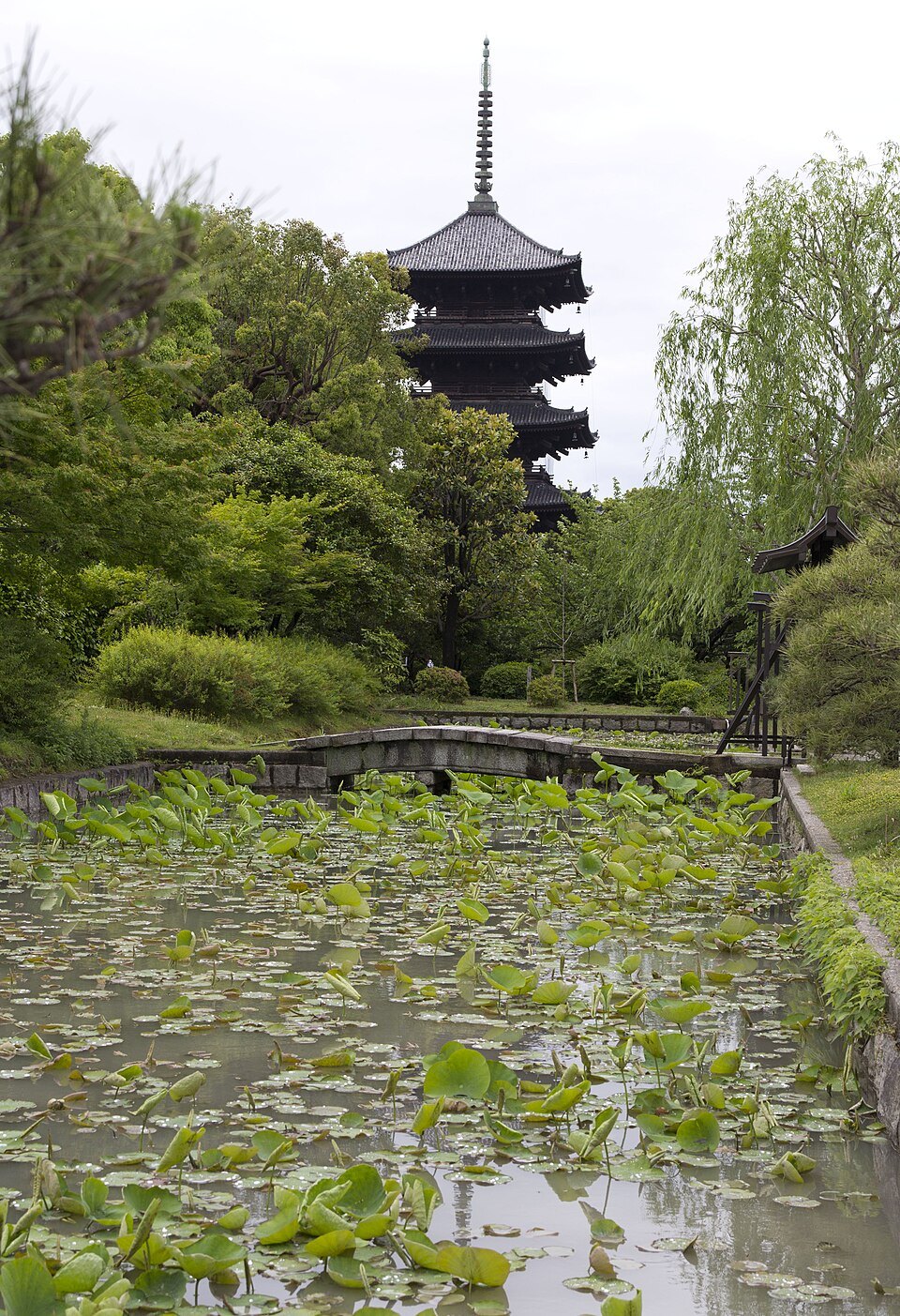
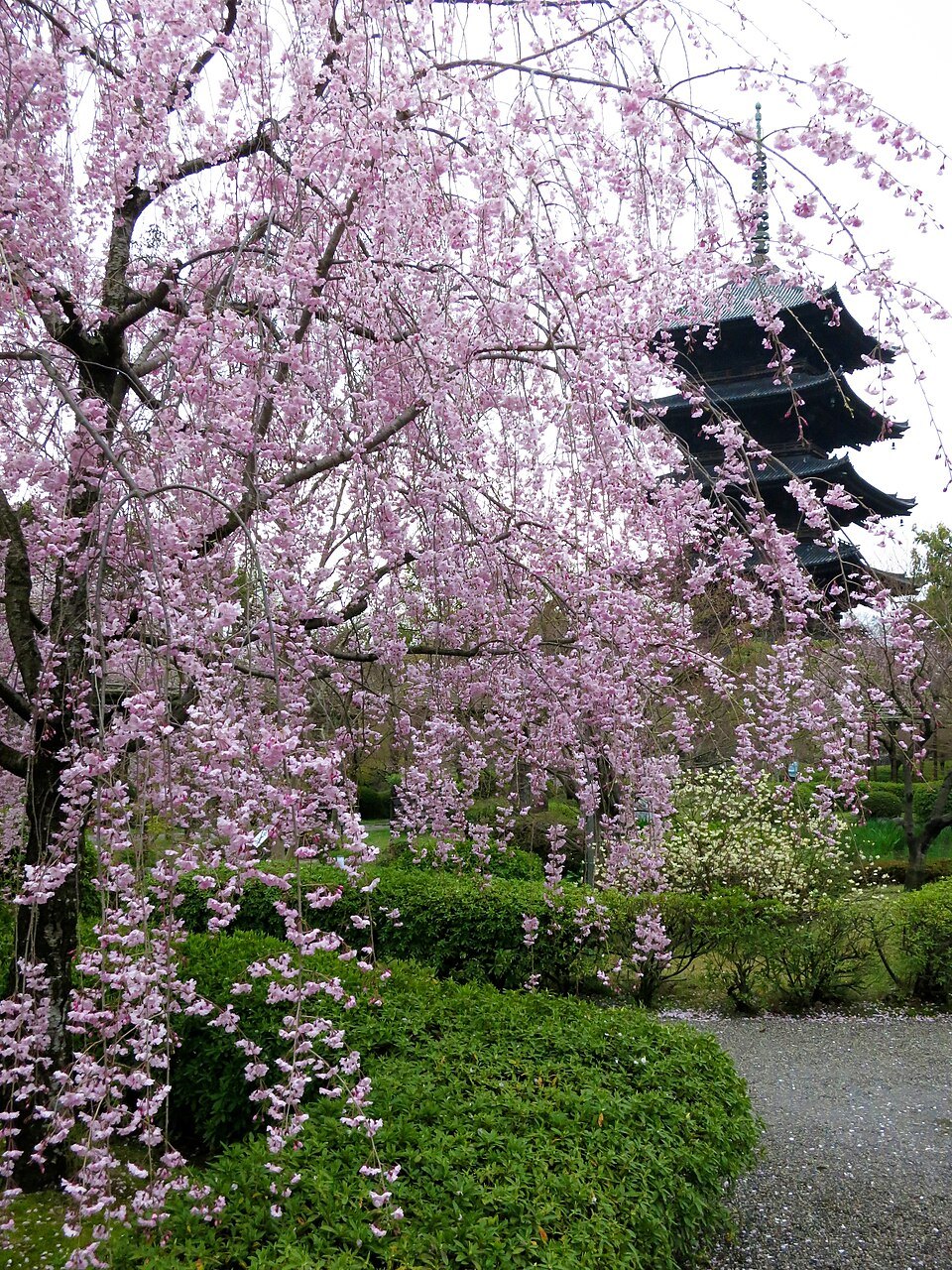
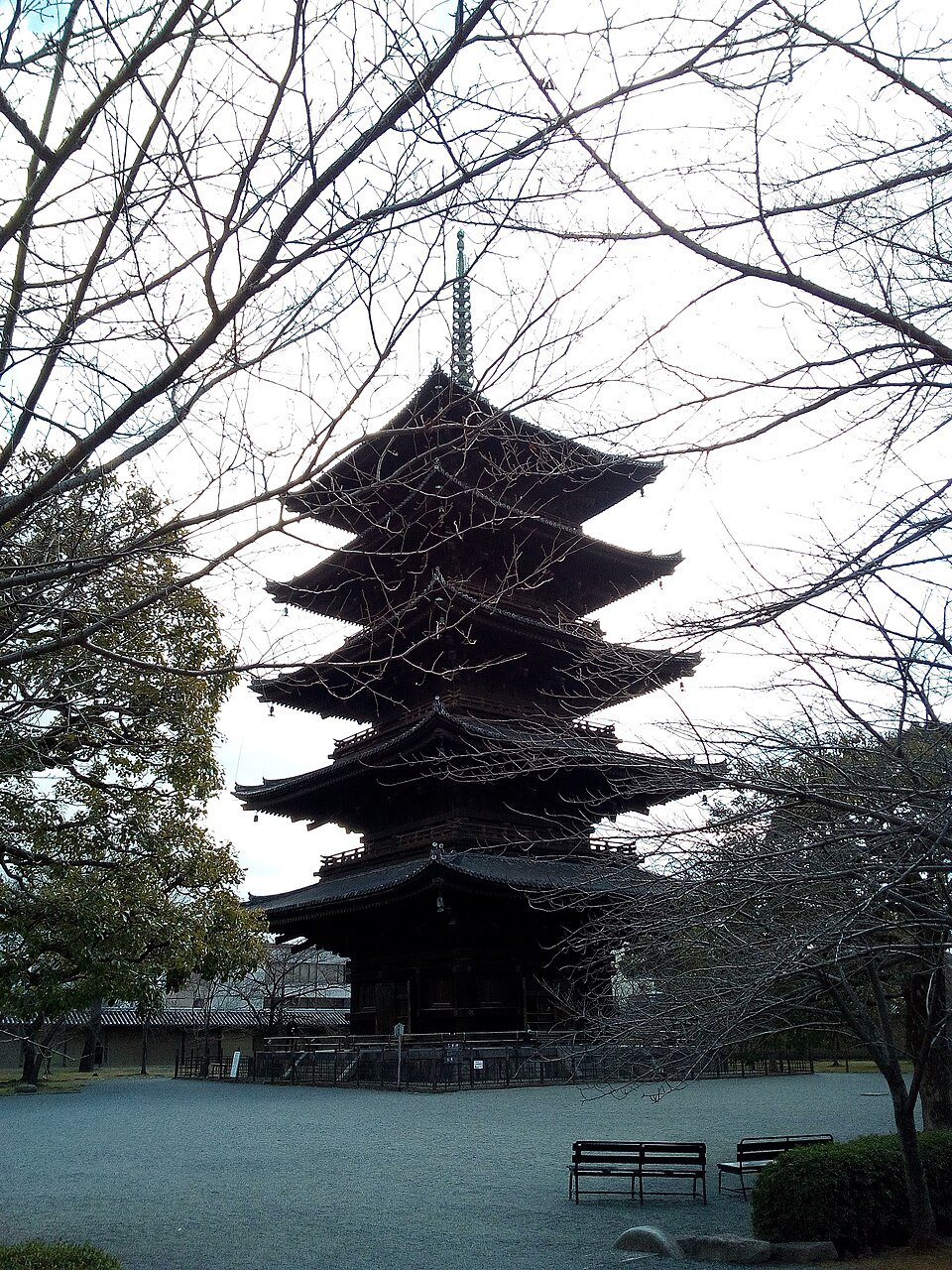
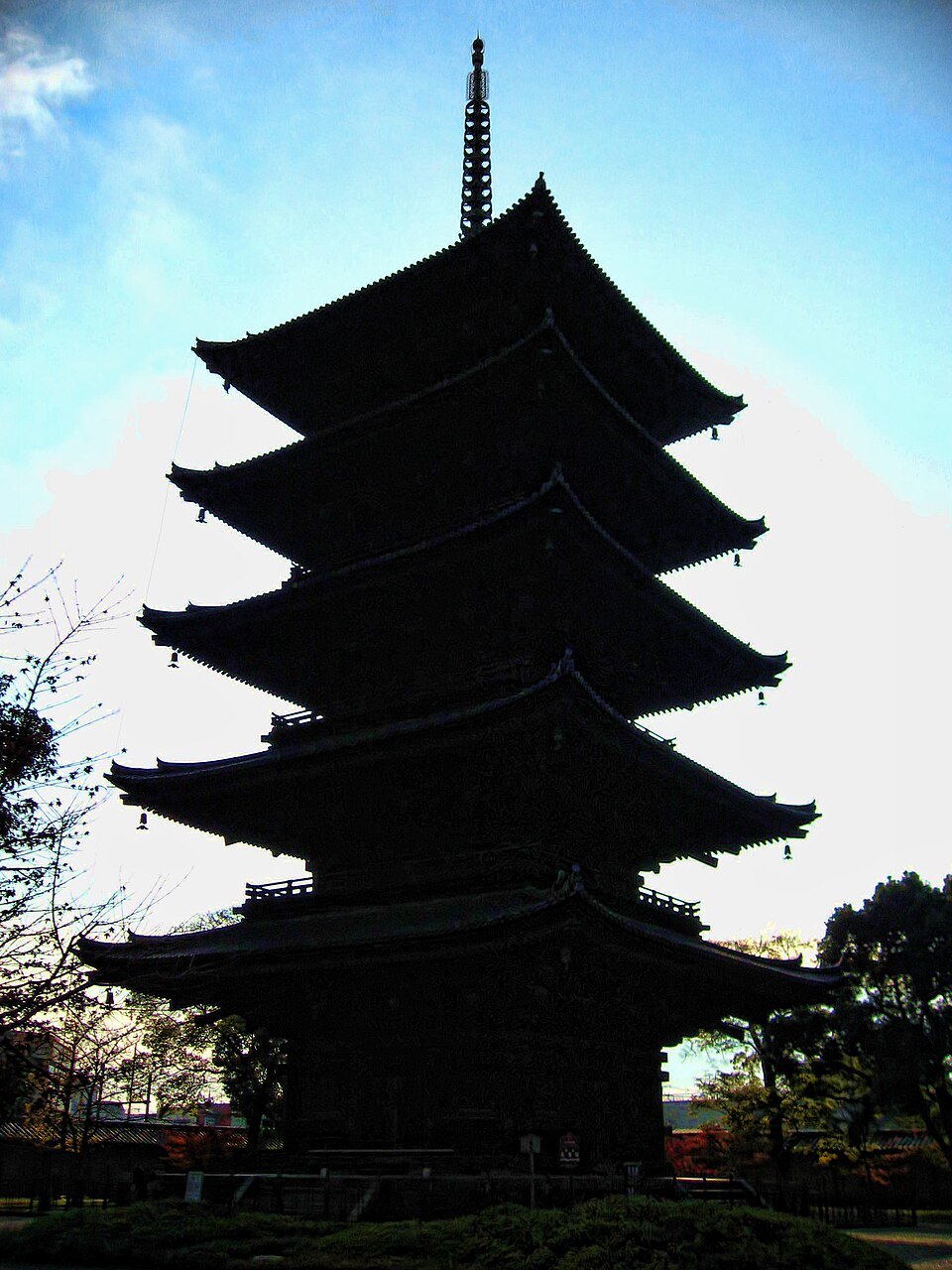
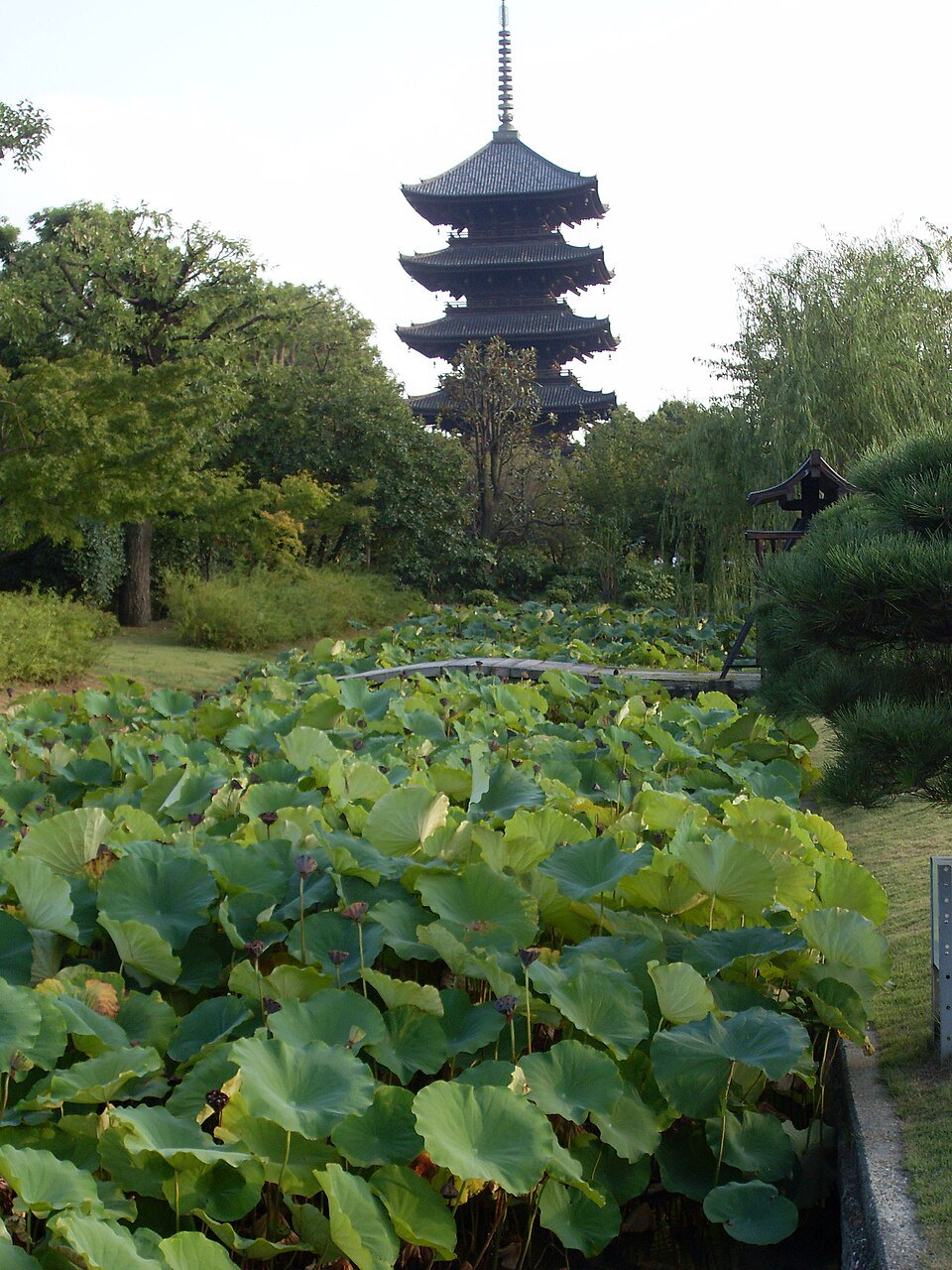
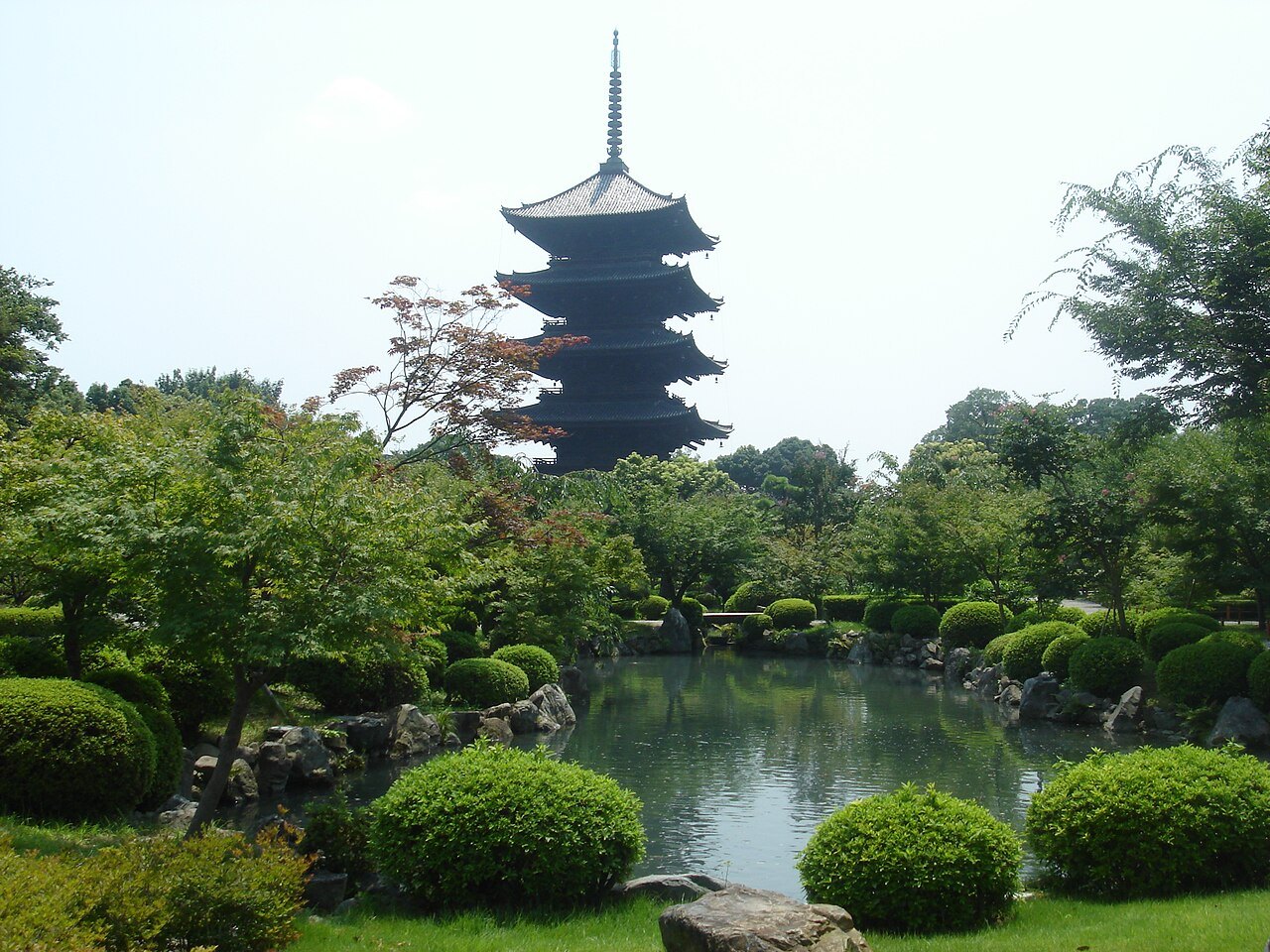
⭐ Its five-storey pagoda is the tallest wooden tower in Japan, at roughly fifty-five metres. The one standing is the 1644 rebuild; the tower has burned and been raised again four times.
Inside the Kōdō
The lecture hall holds a three-dimensional mandala: twenty-one carved figures arranged in space as a diagram of the Shingon cosmos, laid out under Kūkai's direction. It is a room-sized argument rather than a display of statues, and it is the reason to come in.
The twenty-first
⭐ On the 21st of each month the grounds fill with the Kōbō-ichi — a very large flea market of antiques, old kimono, tools, plants and food, held on the anniversary of Kūkai's death.
It changes the temple completely, and if your dates happen to include a 21st it is worth rearranging a day for.