What it is
A Shinto shrine north-east of the centre, built in 1895 for the 1100th anniversary of the founding of Heian-kyō — the capital laid out here in 794, from which the city grew.
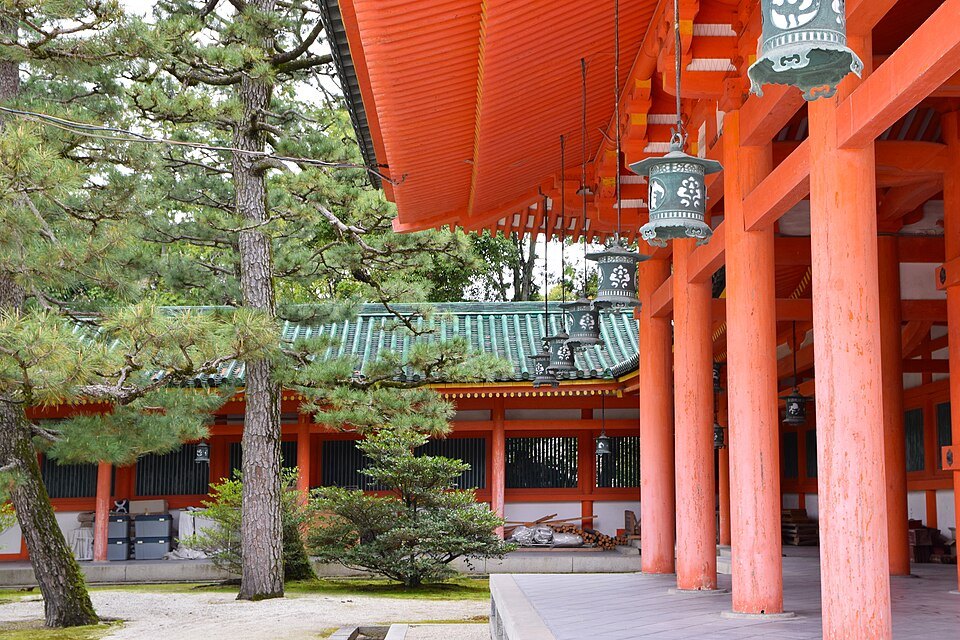
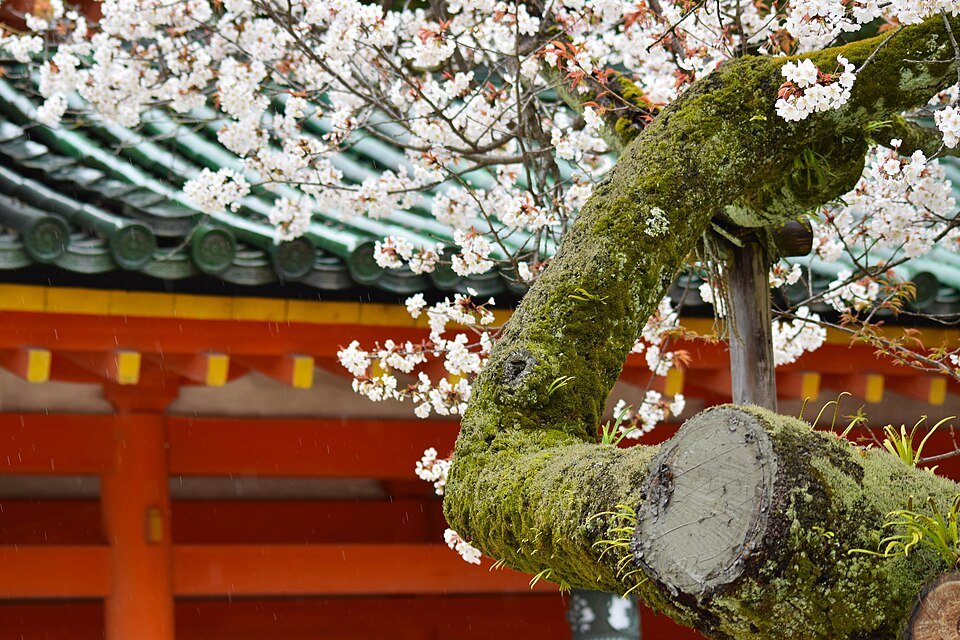
⭐ It is a reduced-scale reproduction of the great hall of the original imperial palace compound, in the colours that compound would have worn: vermilion columns, green tile, white walls. It is not an ancient building and does not claim to be.
Why go to a copy
Because nothing else in the city shows you what Heian Kyoto actually looked like. Every temple you will see is dark timber weathered for centuries; this is the brightness that the originals had when they were new, and the effect is genuinely disorienting.
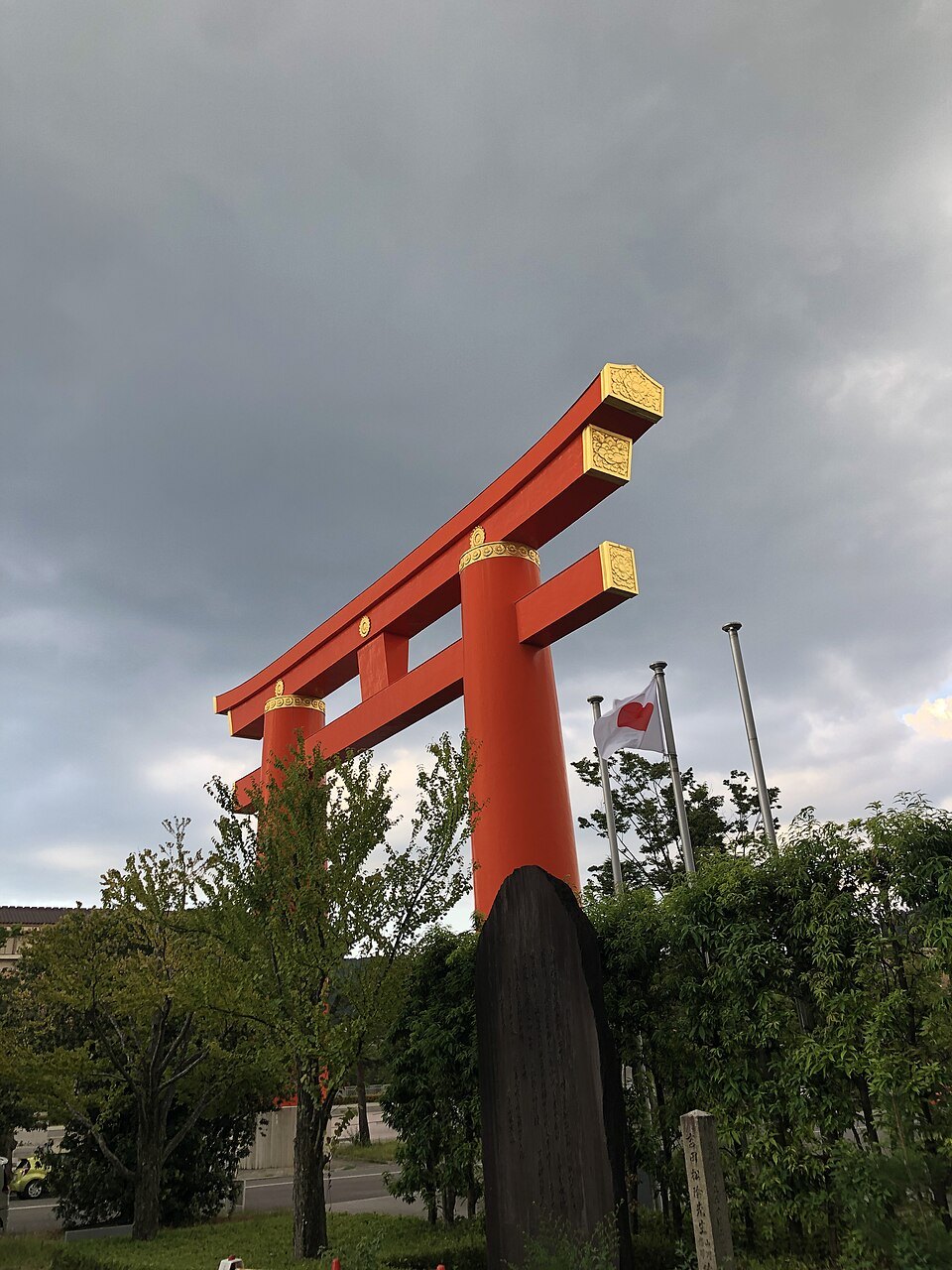
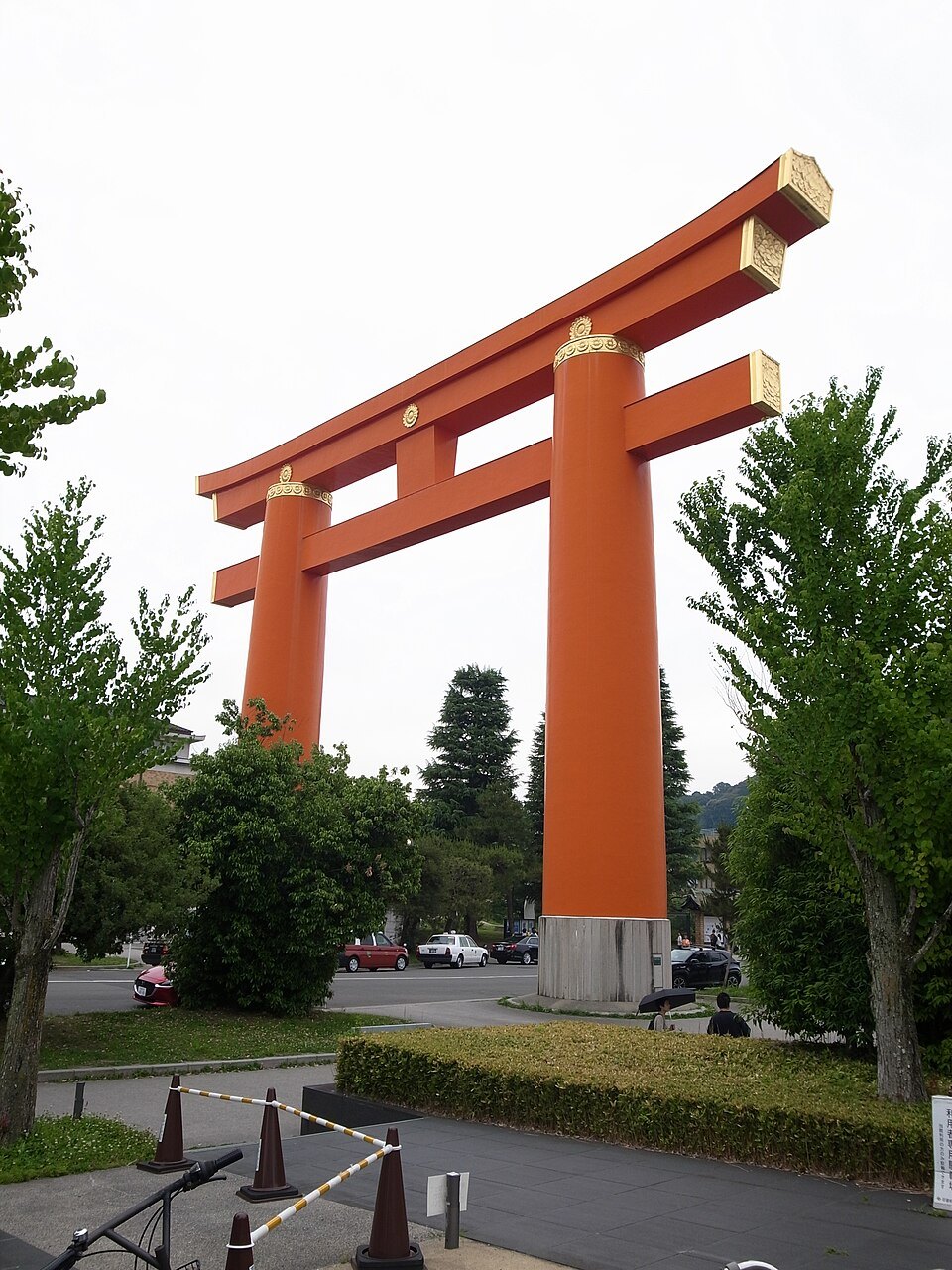
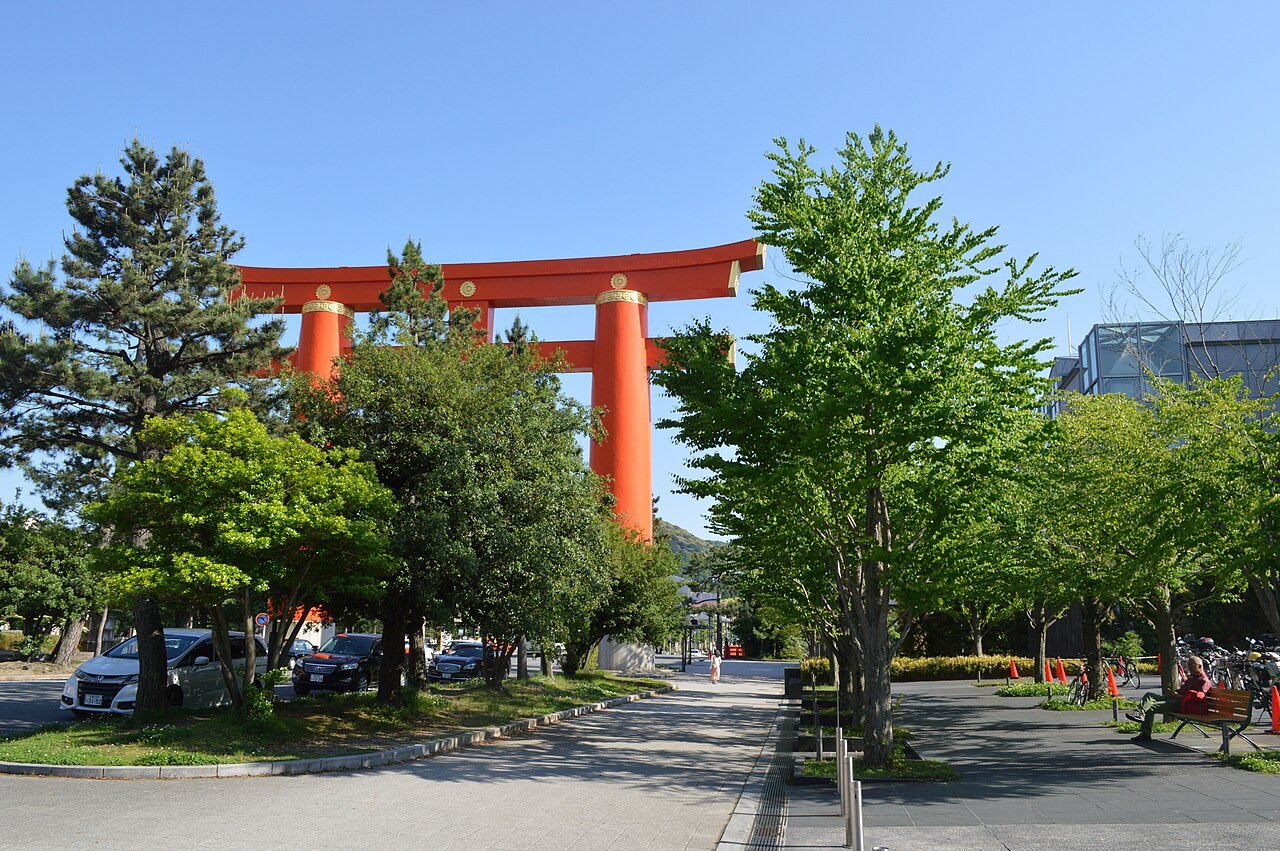
The ōtorii on the avenue leading up to it is one of the largest in Japan and is visible from a long way off.
The garden behind
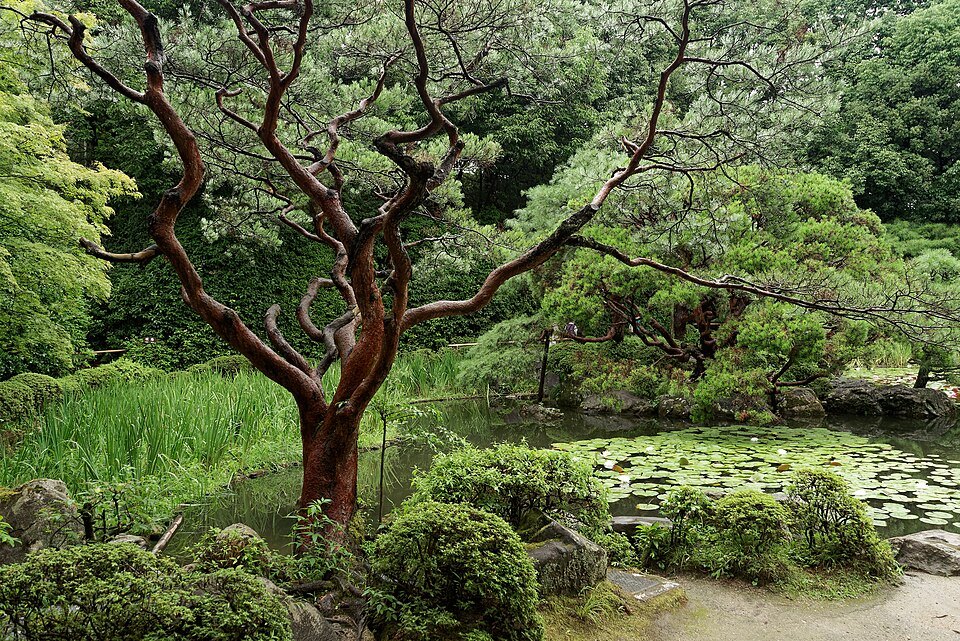
⭐ The Shin'en, the garden wrapped around the back of the shrine, is the better half and most visitors skip it. It is a Meiji stroll garden of ponds and bridges, planted with weeping cherries that are among the best in the city in their week.