What it is
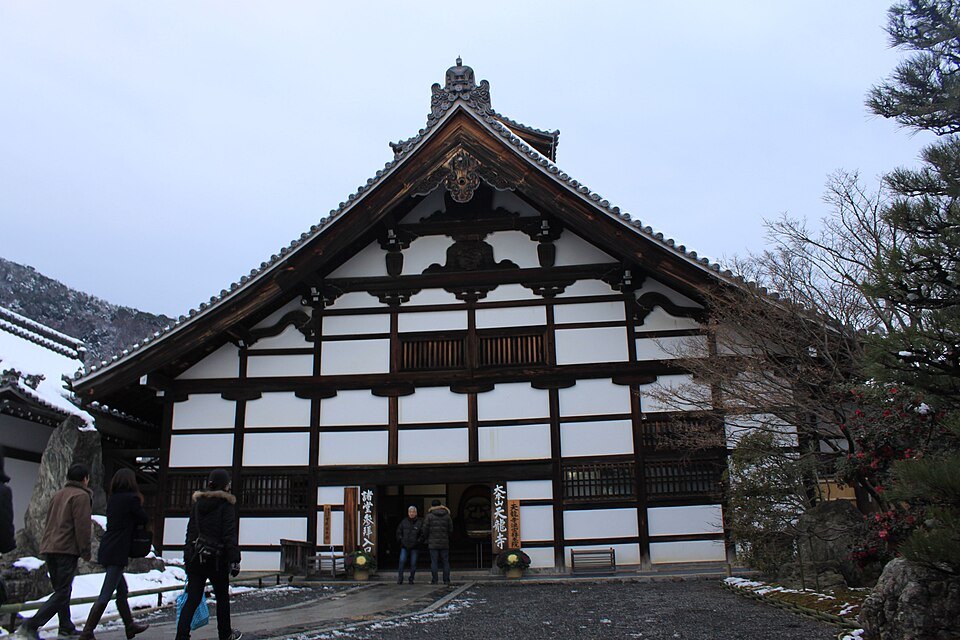
The head temple of its branch of Rinzai Zen, at the centre of Arashiyama. It was founded in 1339 by the shōgun Ashikaga Takauji, on the advice of the monk Musō Soseki, to placate the spirit of the emperor Go-Daigo, whom Takauji had deposed.
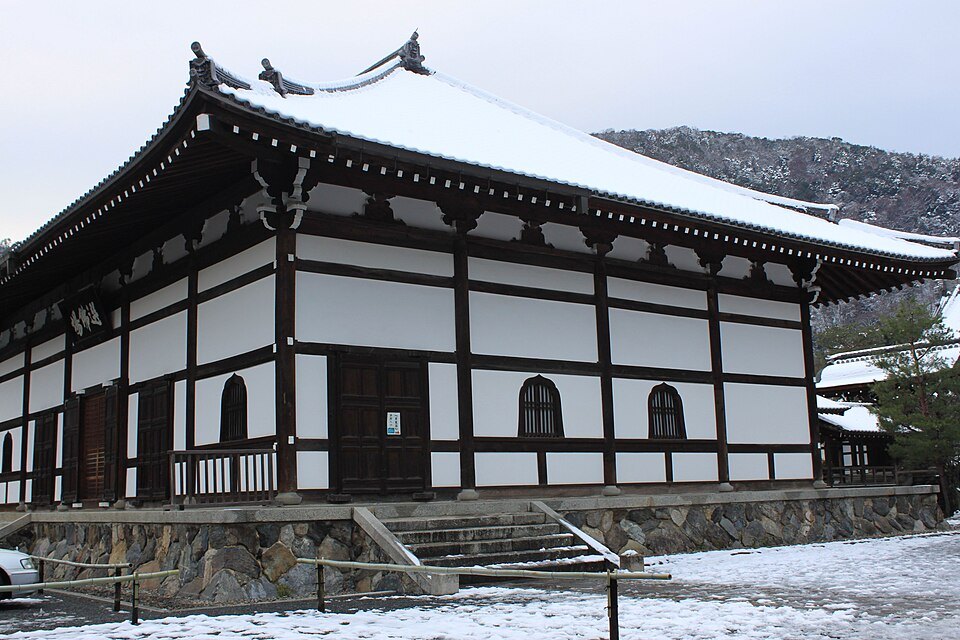
⚠️ The buildings are not old. The temple burned down repeatedly and what you walk through is largely a later rebuild.
The garden is the original
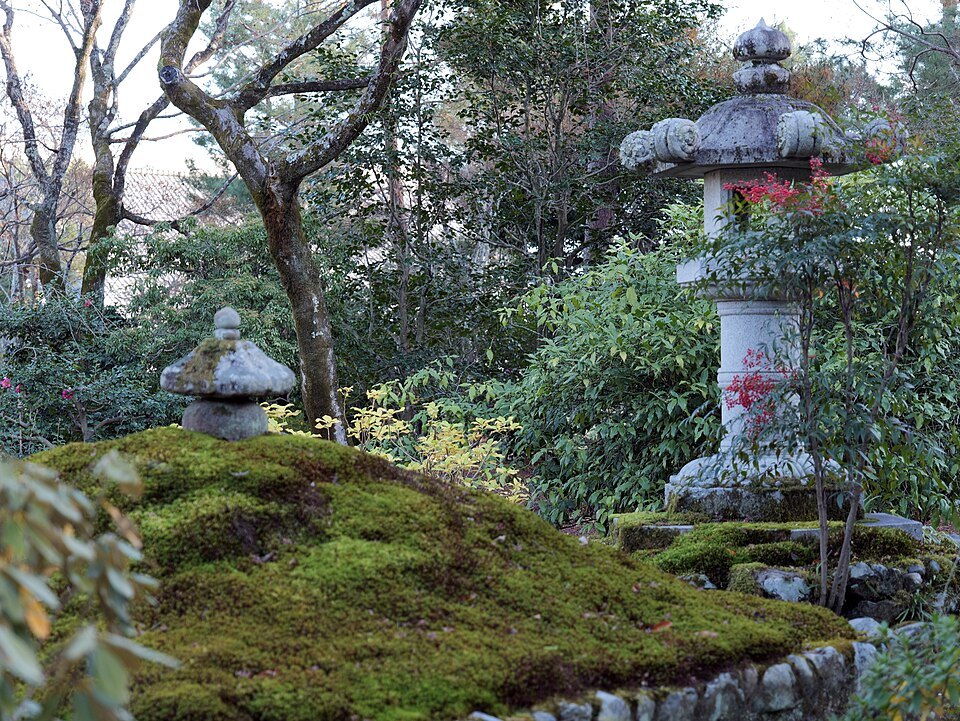
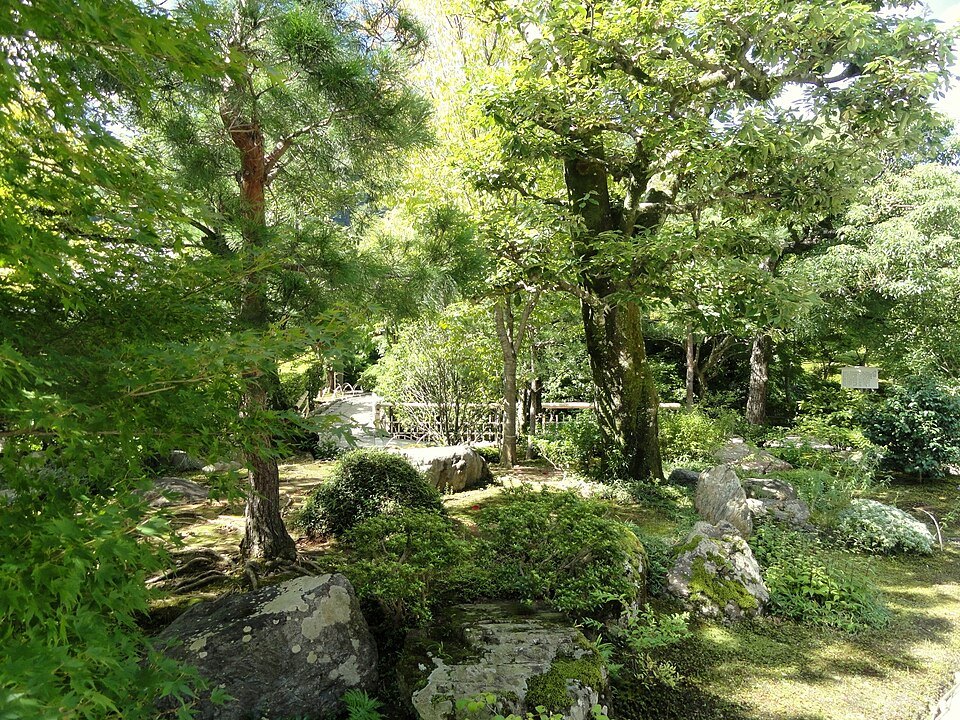
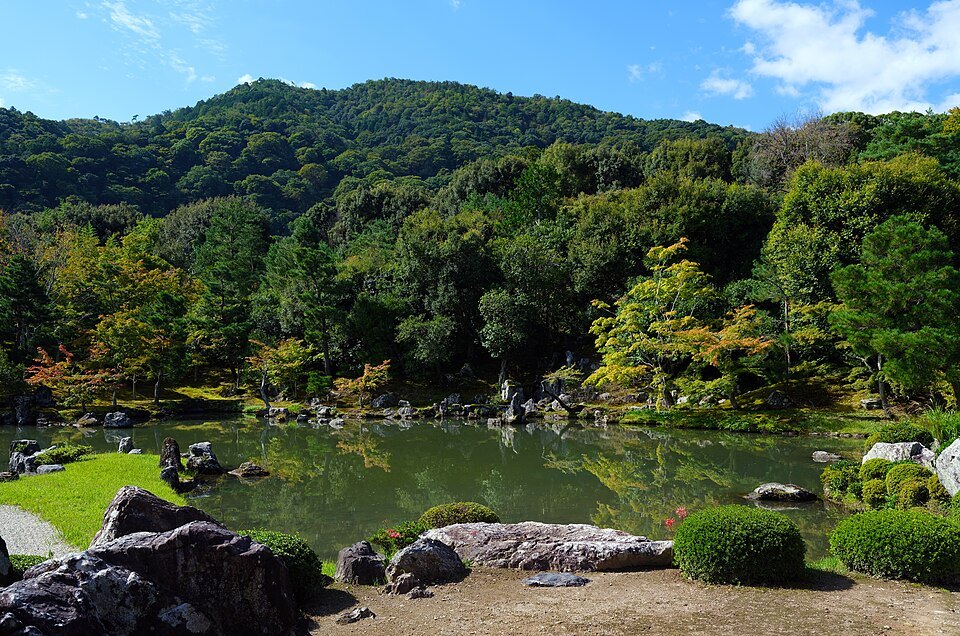
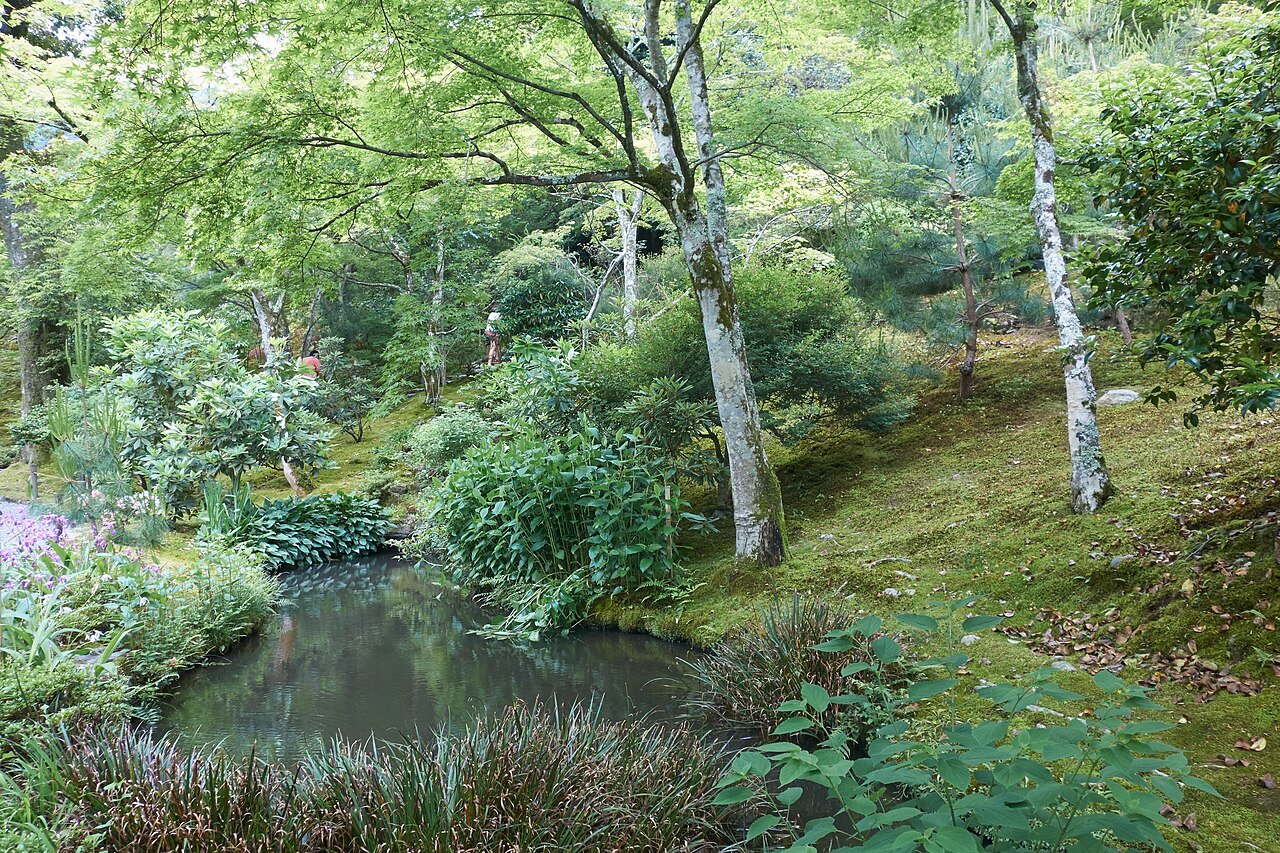
⭐ The Sōgenchi pond garden, laid out by Musō Soseki himself, has kept its fourteenth-century form. It is the oldest thing on the site by centuries and one of the oldest surviving gardens of its kind in Japan.
It is designed on the principle of shakkei — borrowed scenery. The wooded slopes of Arashiyama and Kameyama beyond the wall are not a backdrop that happens to be there; they are deliberately composed into the garden, which is why the boundary is hidden.
Seeing it
The view to have is from the veranda of the abbot's hall, sitting down, with the pond in front and the hills closing the far side. ⭐ It is a garden meant to be looked at from one position rather than walked through, and the difference is worth taking seriously.
A back gate from the grounds opens directly into the bamboo grove.