Higashiyama — the eastern hills
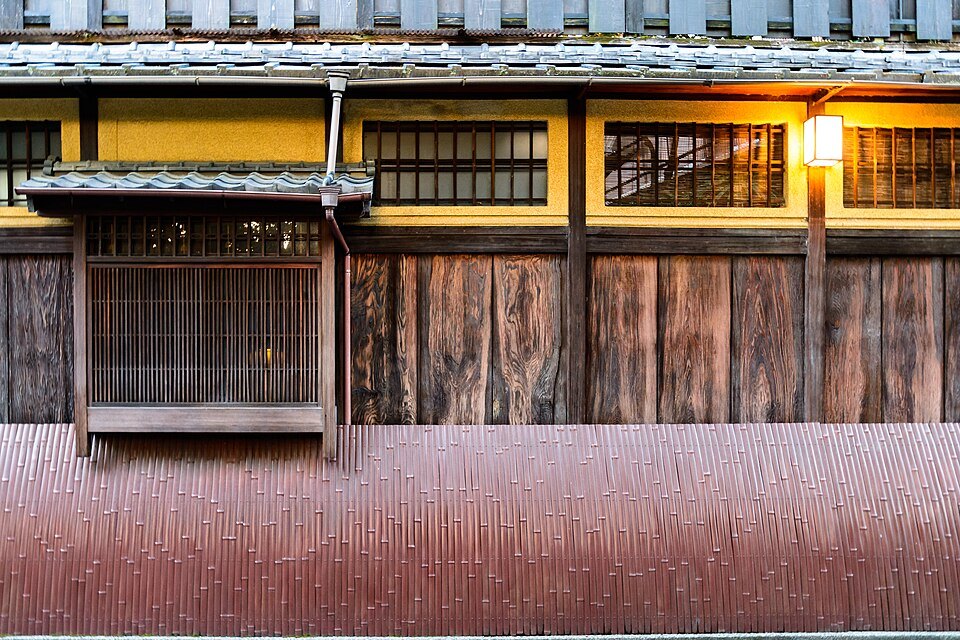
The strip along the base of the eastern hills, from Kiyomizu-dera north past Nanzen-ji to Ginkaku-ji. The greatest concentration of what people come for, walkable end to end, and the one part of Kyoto that is genuinely beautiful rather than merely interesting.
⚠️ Also the most crowded, from mid-morning until late afternoon.
Gion and the river
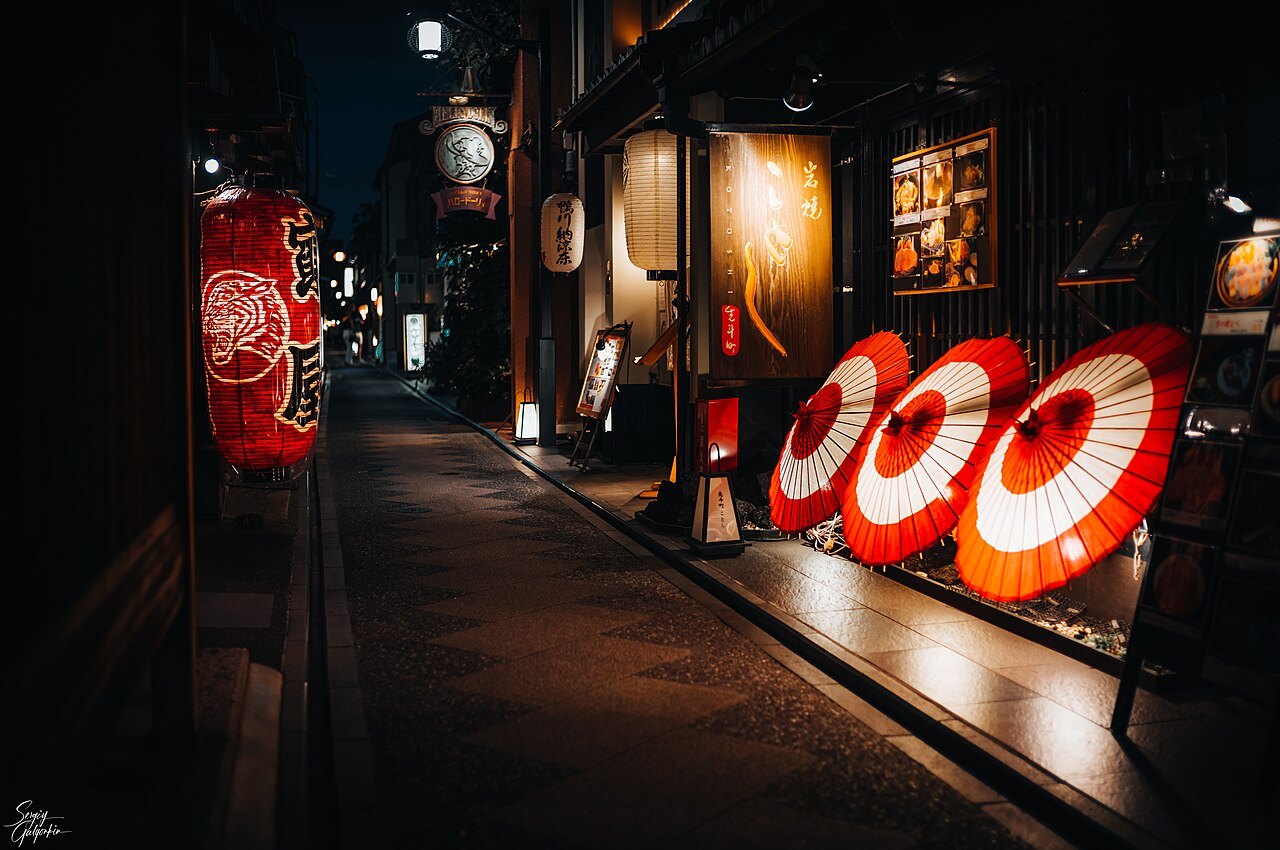
Gion, Pontochō and the banks of the Kamo. Where the city eats and drinks, and where it is worth being after dark. Atmospheric, central, and noisy late.
The centre — Karasuma and Shijō
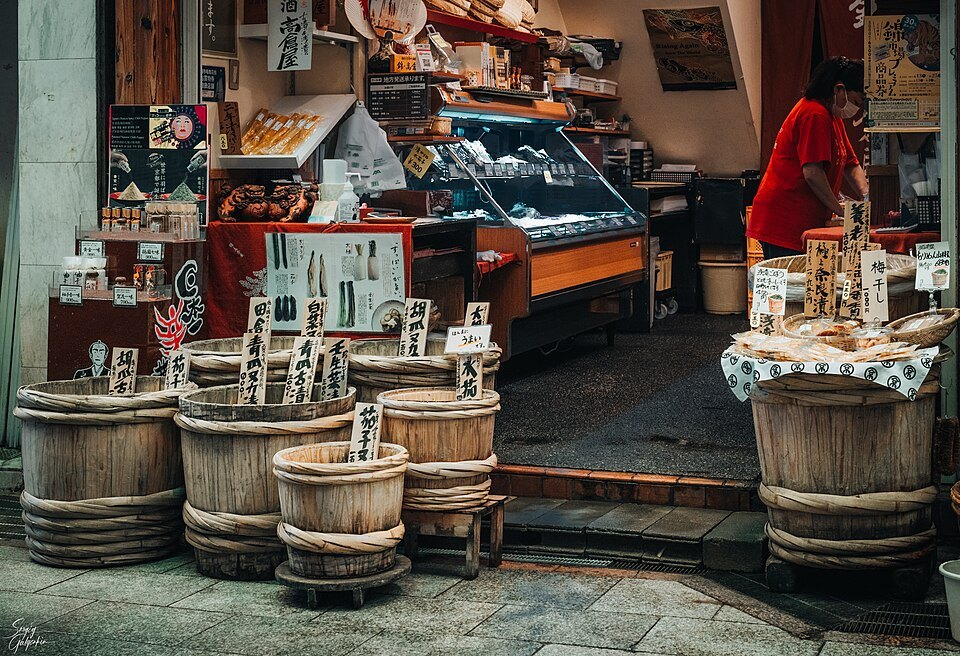
The commercial middle: department stores, the covered arcades, Nishiki Market, and both subway lines crossing. Not pretty, extremely convenient, and where most of the ordinary hotels are.
⭐ The best base if you are moving around a lot, because everything else is reachable from it without crossing the city twice.
Arashiyama
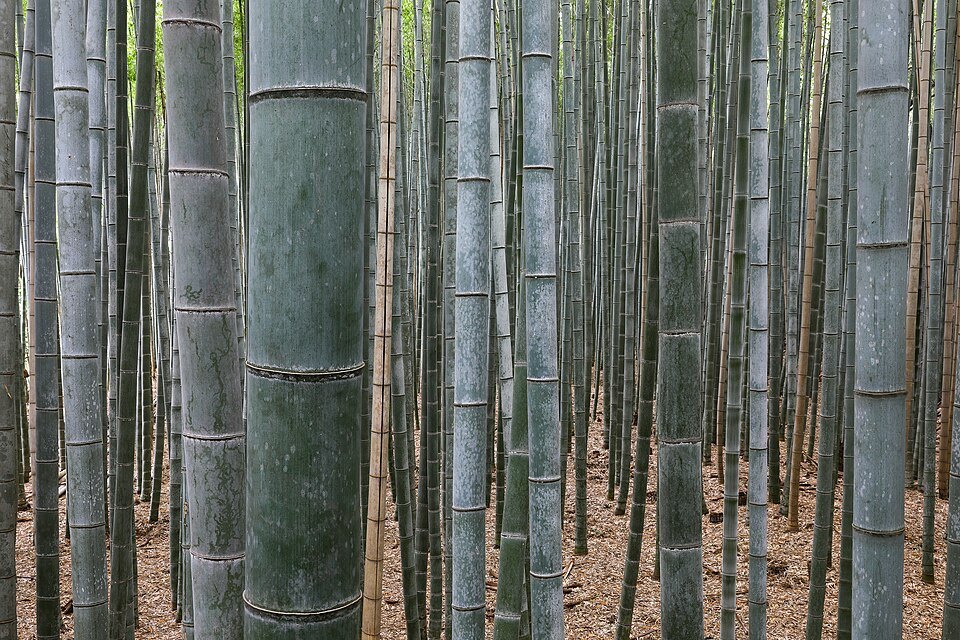
The west: the bamboo grove, Tenryū-ji, the river and the Togetsukyō bridge. Overwhelmed by day-trippers in the middle of the day and very quiet at either end of it, which makes staying out here a genuinely different experience from visiting.
Around the station
South, near Tō-ji. Modern, well connected, and the practical choice for a short stay or an early train, but a long way in feel from the rest of this list.